Coursera
Last updated: 18 December 2025
What is Coursera?
Coursera is one of the world’s largest online education platforms, connecting learners to thousands of courses, professional certificates, and even full degrees from top universities and companies. Since its launch in 2012, Coursera has become a go-to destination for anyone looking to upskill, change careers, or explore new fields without the constraints of traditional classroom settings.
What makes Coursera stand out is its ability to offer high-quality, university-level courses in a flexible online format. Whether you’re a student seeking additional knowledge, a professional after job-ready skills, or a lifelong learner looking to follow your passion, Coursera’s vast, diverse catalog ensures there’s something for everyone.
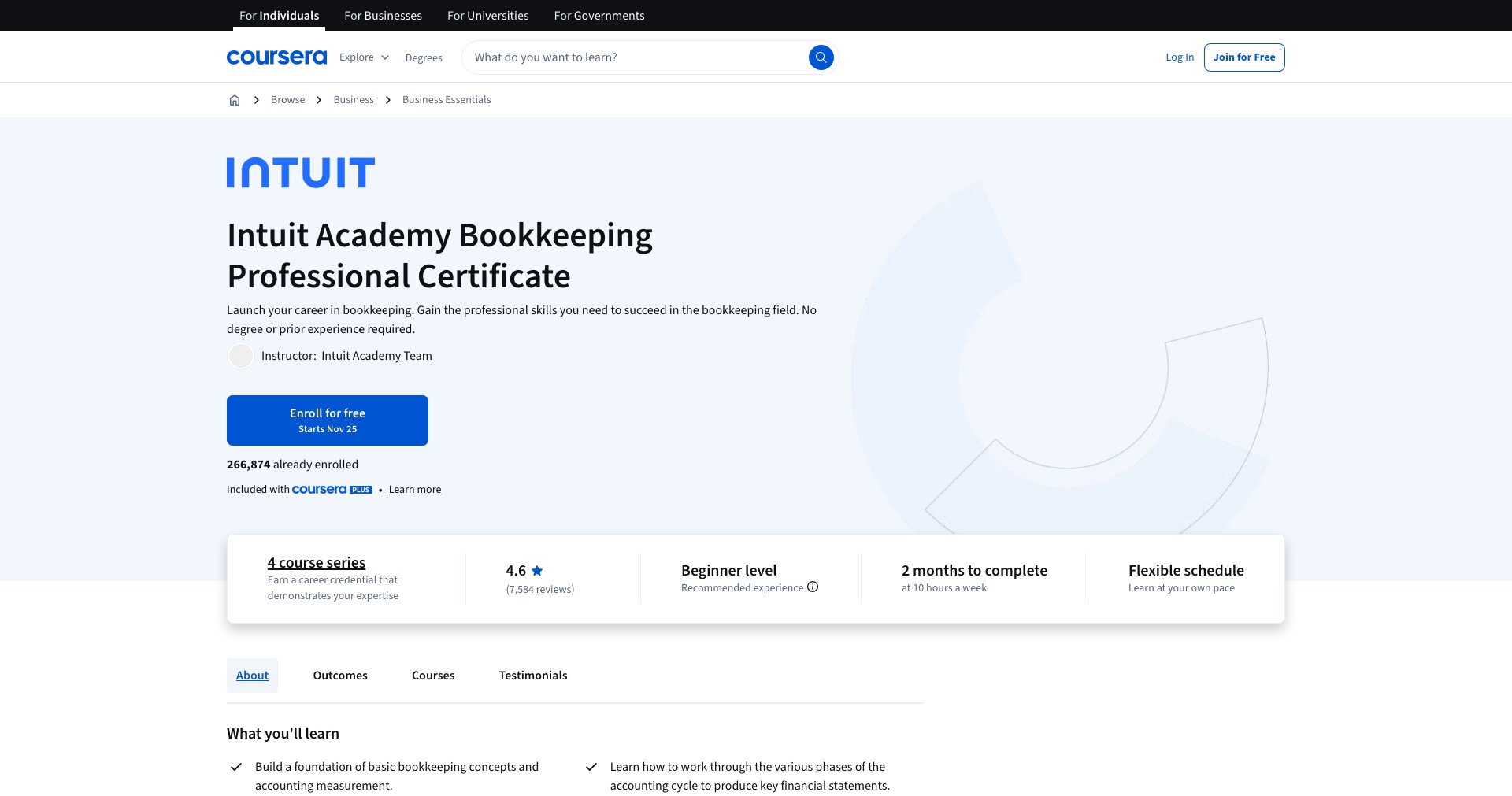
Key Features:
-
Vast Course Catalog:
Access thousands of courses, specializations, and degrees from leading universities and organizations on diverse topics, ranging from computer science to arts and humanities. -
Professional Certificates:
Earn job-focused credentials from industry leaders like Google, Meta, and IBM, designed to equip you with employable skills fast. -
Flexible Learning Options:
Self-paced and instructor-led formats let you learn on your own schedule, making it ideal for those balancing work, study, and personal commitments. -
Accredited Degrees and Diplomas:
Coursera partners with top universities to offer fully accredited bachelor's and master’s degrees entirely online, often at a fraction of the on-campus cost. -
Interactive Learning Tools:
Engage with quizzes, graded assignments, peer-reviewed projects, and discussion forums that reinforce learning and foster a sense of community.
What makes Coursera unique?
Coursera stands out in the crowded e-learning space due to its strategic partnerships with world-class universities and leading tech companies. This enables learners to access not only academic content but also cutting-edge industry knowledge directly applicable to today’s job market. The platform’s Professional Certificates and MasterTrack programs are specifically tailored for those seeking career advancement or transition, blending theoretical foundations with practical skills.
Unlike competitors that focus solely on self-paced courses or informal learning, Coursera’s offerings span from quick upskilling courses to full-fledged, accredited degrees, catering to a wide spectrum of learners. The frequent introduction of new content in collaboration with industry partners ensures the curriculum stays relevant and up-to-date.
Pros and Cons
Who is using Coursera?
University Students & Graduates: Students seeking supplemental education or specific skills find Coursera’s university-backed courses, specializations, and degrees a reliable resource to enhance academic portfolios.
Professionals & Career Changers: Individuals aiming for career advancement, job transitions, or fresh skills benefit from Coursera’s Professional Certificates and courses developed in collaboration with major employers.
Lifelong Learners: Those passionate about personal growth or exploring new subjects use Coursera’s broad catalog to pursue interests at their own pace, regardless of previous academic background.
Evolution and Growth
Since its founding in 2012, Coursera has grown from offering a handful of free Stanford courses to featuring thousands of programs from hundreds of global partners. Its catalog has expanded to not only cover more subjects but also to include innovative learning paths like Specializations and Professional Certificates.
A major leap forward was the introduction of fully accredited online degree programs in partnership with prestigious universities, making higher education more affordable and accessible to a broader audience. Coursera has also tailored its content structure through features like quizzes, peer assignments, and community forums for a more interactive learning experience.
Recent years have seen a focus on workforce development, with industry-aligned certifications and enterprise partnerships becoming a cornerstone. Coursera Skills Pathways and increased support for mobile learning demonstrate continuous adaptation to modern learner needs and trends.
Pricing
| Plan | Price | About |
| Free | $0 | Access many individual courses at no cost (certificate optional for a fee). |
| Pay-per-course | Varies ($29–$99) | One-time payment for a single course and verified certificate. |
| Coursera Plus (Subscription) | $59/month or $399/year | Unlimited access to most courses, specializations, and professional certificates. |
| Degree Programs | From $9,000 to $25,000+ | Accredited bachelor's and master's degrees priced significantly lower than on-campus equivalents. |
Verdict
Coursera remains a top-tier online learning platform thanks to its impressive breadth, university partnerships, and industry-focused certifications. Its flexibility in learning options and the inclusion of both beginner and advanced content make it highly accessible and relevant for diverse users—from first-time learners to career professionals seeking advancement.
While costs can add up for full degree tracks and course discovery may feel daunting, Coursera's financial aid options and constant updates ensure it continues to lead in online education. Whether you are looking to learn a new skill, change careers, or earn a degree, Coursera offers flexible, quality solutions for almost any educational goal.


