

Shopify is the top choice for 2026 thanks to its AUD support, local payment and shipping integrations, and scalability for stores of any size.
Try Shopify for 3 months for $1If you’re a small business owner or entrepreneur in Australia who wants to create an online store, you need a platform that supports AUD payments, Australian shipping, integrates with local payment gateways, and provides .com.au domains.
In this article, I’ll share the 5 best eCommerce website builders in Australia that are scalable, easy to use, and can help you reach more customers without technical skills. Some of these builders let you start for free, so you only pay when you’re ready to accept orders.
5 best eCommerce website builders Australia in 2026 – shortlist
- Shopify – best overall eCommerce builder for Australian businesses with strong integrations (Try Shopify for 3 months for $1 )
- Hostinger – best affordable eCommerce builder for beginners and small businesses launching their first store (Visit site >)
- Wix – best for small online stores that want easy setup and full design flexibility (Visit site >)
- Squarespace – best for visually polished online stores focused on branding and presentation (Visit site >)
- WordPress.com with WooCommerce – best for fully customizable eCommerce websites with complete control and scalability (Visit site >)
5 best eCommerce web builders in Australia – in-depth reviews
1. Shopify – best website builder for eCommerce overall

| Rating: | |
| Price: | AU$42.00/month |
| Templates: | 1200 |
| AI tools: | ✅ Yes |
| Special deal: | Try Shopify for 3 months for $1 |
Shopify is a solid and professional eCommerce website builder. It focuses on selling, with built-in tools for products, payments, shipping, and order management. It’s suitable not only for beginners, but also for larger businesses that need a scalable platform. Here is why I picked it for eCommerce:
- Affordable intro offer: Shopify offers a 3-day free trial followed by $1.00/month for 3 months on all plans, which is one of the lowest-risk ways to set up a fully functional online store.
- Built for eCommerce: provides unlimited products, abandoned cart recovery, gift cards, advanced analytics, and multi-location inventory management.
- Wide variety of apps and templates: Shopify has over 1050 templates and over 16,000 free and paid apps. This allows you to add dropshipping, advanced marketing, or shipping integrations.
- Payment and sales flexibility: it supports major payment gateways, including Stripe and PayPal, with built-in fraud analysis and secure checkout.
- Security essentials: Shopify is PCI-compliant and handles security, hosting, and updates for you, which is critical when processing customer payments and running a professional eCcommerce store.
- eCommerce tools: unlimited products, abandoned-cart emails, gift cards, 10 inventory locations, analytics, and Shopify Academy.
- Built-in marketing and customer management tools: built-in customer segmentation, email marketing, discount codes, and automation help you attract customers and increase sales.
My experience with Shopify
Shopify was fast and simple to set up. I had a basic store layout ready in about 10 minutes after starting the free trial, answering a few onboarding questions, choosing a theme, and connecting my domain. My first listings took less than 5 minutes to add, using a product form with dedicated fields for images, pricing, and shipping.
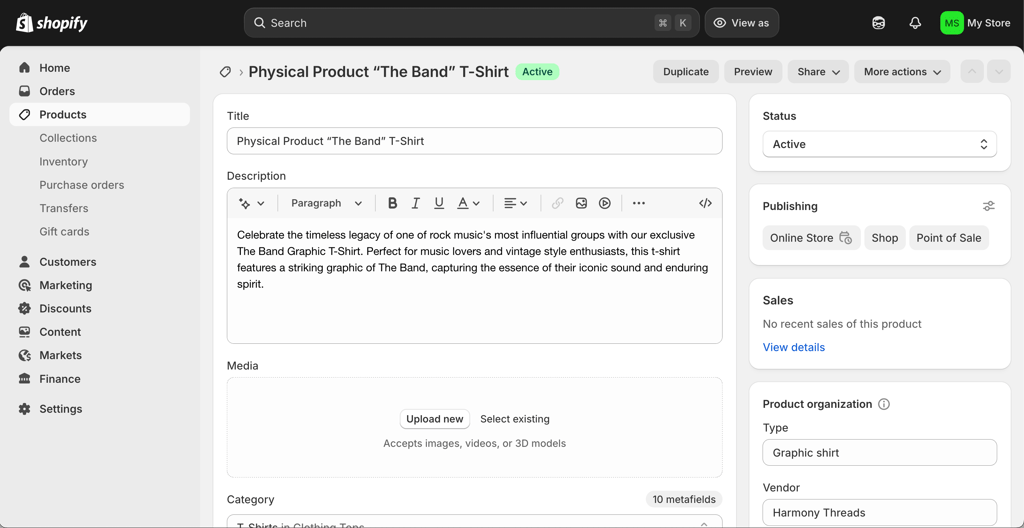
The platform guided me through the setup in detail, though configuring Shopify Payments took longer due to the detailed business and banking information required. I also noticed that switching themes after adding content wasn’t seamless, and many elements needed manual adjustment. Overall, it took about 30 minutes to get a small, fully working store up and running.
2. Hostinger – best eCommerce builder for beginners

| Rating: | |
| Price: | AU$4.59/month |
| Templates: | 430 |
| AI tools: | ✅ Yes |
| Special deal: | Get Hostinger Website Builder, 82% OFF + free months |
Hostinger Website Builder is a platform best suited for beginners who want to create an online store fast. Its Business plan focuses on selling, with built-in tools for products, payments, shipping, and inventory management. However, more advanced users or larger store owners might find it limiting. Here is why I picked it for eCommerce:
- AI-driven setup: Hostinger’s Horizons AI generates a complete store layout, pages, and eCommerce functionality just by describing your store in a prompt.
- Automatic eCommerce integration: inventory, product pages, categories, discounts, and payment gateways like PayPal and Stripe are ready out of the box.
- Templates and customization: over 30 eCommerce templates with drag-and-drop editing allow you to quickly build a professional store.
- AI marketing and SEO tools: auto-generate product descriptions, homepage copy, logos, calls-to-action, email templates, and optimize content for search engines.
- Payments and local support: supports AUD and easily connects with major payment gateways for a smooth checkout experience.
- Built-in eCommerce features: inventory management, product pages, discounts, and shipping integration come ready from the start.
- AI content and branding tools: AI suggestions help create copy, design elements, and SEO-friendly pages to speed up store creation.
My experience with Hostinger
Building a test store with Hostinger was fast and intuitive. Horizons AI asked me to describe my tech store, and it generated a complete layout, product catalog, and categories within a minute. It was easy to make adjustments using the drag-and-drop editor, and AI tools helped me quickly create product descriptions and write copy for the pages.
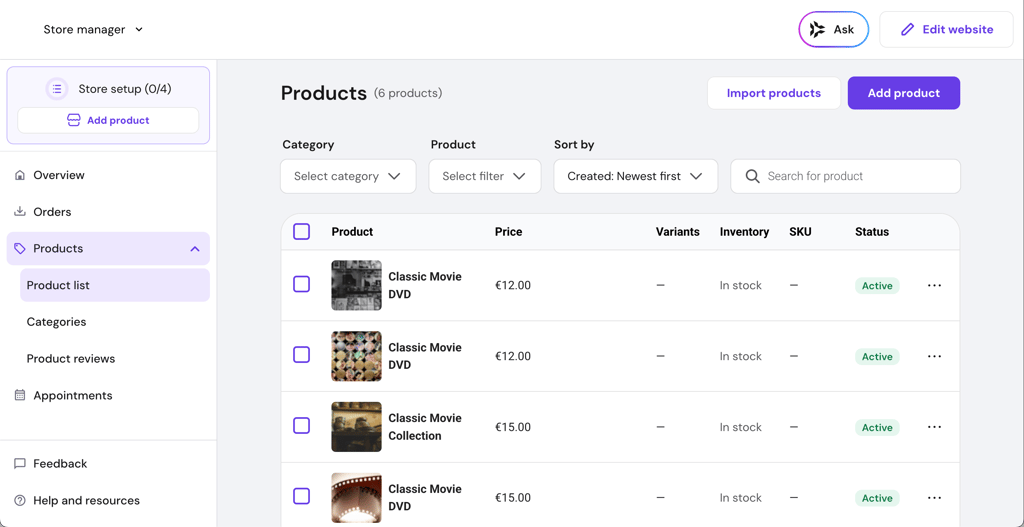
I set up payments, inventory, and shipping settings with no hassle. Overall, everything felt smooth and beginner-friendly, and I could get a small, fully functional store running in under 15 minutes.
3. Wix – best builder for small eCommerce sites

| Rating: | |
| Price: | AU$16.60/month |
| Templates: | 2,000 |
| AI tools: | ✅ Yes |
| Special deal: | Get Wix with 50% OFF |
Wix is an easy-to-use website builder that’s ideal for small to mid-sized online stores. It focuses on design flexibility and has over 2,000 templates and a drag-and-drop editor. It also provides the essential tools for selling products, managing inventory, and processing payments. While it’s beginner-friendly, larger businesses may find Wix less scalable than competitors like Shopify. Here is why I picked it for eCommerce:
- All-in-one store builder: Wix allows you to sell up to 50,000 products, manage inventory, offer discounts, create abandoned cart recovery emails, and handle shipping, including Australia Post integration.
- Local payment and currency support: Wix supports AUD pricing and major Australian gateways like Stripe, PayPal, and Afterpay, which makes checkout seamless for local customers.
- Design flexibility and templates: you can choose from over 2,000 designer-made templates, and build a visually appealing store using the drag-and-drop editor, while easily customizing layouts, product pages, and checkout flow.
- Built-in marketing and growth tools: Wix includes email campaigns, customer segmentation, SEO guidance, social media integrations, and analytics, so you can attract and retain customers without relying on third-party tools.
- Secure and reliable: Wix handles hosting, SSL, PCI compliance, and updates for you, so your store stays secure and professional while you focus on sales.
- Free and affordable plans: Wix allows you to start with a free plan and upgrade the website once you’re ready to add and sell products.
My experience with Wix
Working with Wix felt more creative compared to other builders. The drag-and-drop editor made design adjustments intuitive. Wix Aria made setting up my store fast and interactive by letting me type prompts in the editor, ask it to change the layout, add sections, or generate copy, and the changes appeared in a few minutes.
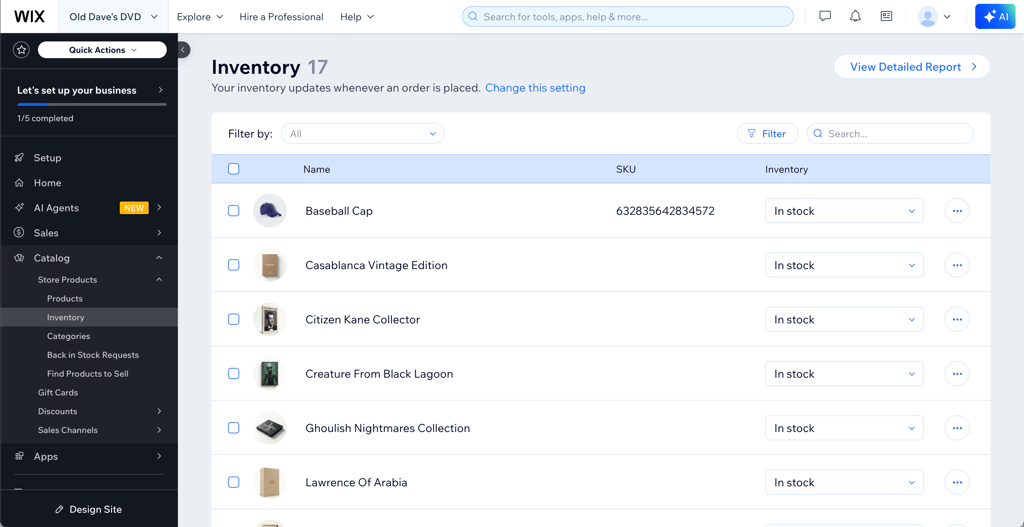
Adding products, setting up shipping, and connecting AUD payment gateways was simple, though the inventory management felt better suited for small to mid-sized stores. I also used Wix’s AI tools to give the store a polished look without spending hours on design. Overall, Wix is ideal for small Australian stores that need flexibility, AI assistance, and ease of use.
4. Squarespace – best eCommerce builder for creative control

| Rating: | |
| Price: | AU$17.00/month |
| Templates: | 200 |
| AI tools: | ✅ Yes |
| Special deal: | Get up to 50% OFF Squarespace |
Squarespace is a design-focused eCommerce website builder. I find it ideal for entrepreneurs who want a stylish and modern online store to sell products, services, subscriptions, and digital content. I liked how Squarespace combines strong design freedom with practical features. Here is why I picked it for eCommerce:
- AI-assisted setup: Squarespace lets you start building your store with AI by answering a few questions about your business and brand, and instantly generates a ready-to-edit store with products, categories, and essential sales tools.
- All-in-one store builder: Squarespace lets you sell products, subscriptions, and digital content, manage inventory, set up discounts and gift cards, and handle shipping with ease.
- Local payment and currency support: you can accept AUD payments through Stripe, PayPal, and Apple Pay, making checkout smooth for Australian customers.
- Design flexibility and templates: Squarespace provides 45+ modern business templates, and you can adjust layouts, sections, and styles to create a polished, visually appealing store.
- Built-in marketing and growth tools: Squarespace allows you to run email campaigns, track customer behavior, manage SEO, and monitor analytics all from one dashboard.
- Secure and reliable: Squarespace includes SSL, PCI compliance, hosting, and automatic updates, so your store stays safe and professional while you focus on selling.
My experience with Squarespace
Using Squarespace’s AI Website Builder was quick and efficient. I typed prompts and answered a few business questions, and it instantly created a polished store with products, categories, and sales tools. Editing the template with the drag-and-drop interface was simple, though less flexible than Hostinger or Wix for extensive layout changes.
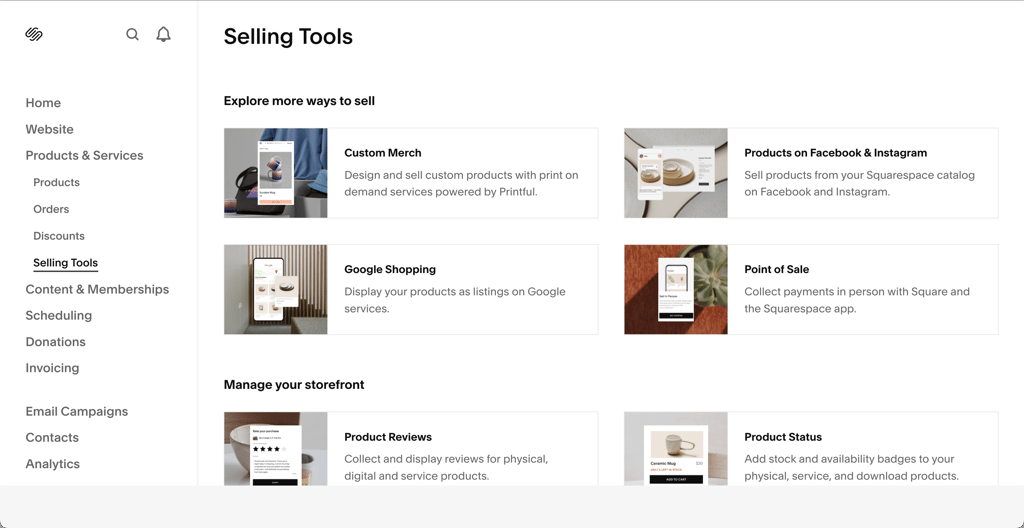
I especially appreciated the AI-generated product descriptions and homepage text, which saved time and remained cohesive with my brand. Connecting AUD payment gateways and configuring shipping also caused no issues. Overall, Squarespace is excellent for small Australian business owners who value the design quality.
5. WordPress.com with WooCommerce – best for a completely customizable ecosystem

| Rating: | |
| Price: | AU$4.00/month |
| Templates: | 13,000 |
| AI tools: | ✅ Yes |
| Special deal: | Get up to 69% OFF Wordpress! |
WordPress.com is a fully managed WordPress platform that combines ease of use with advanced customization options. It’s ideal for users who want full control over their store while benefiting from built-in security, hosting, and scalability. With WooCommerce, you can turn a WordPress site into a flexible online store capable of selling products, subscriptions, and digital content. Here’s why I picked it for this list:
- Free and open-source setup: WordPress.com lets you start with a free plan or add WooCommerce to create a fully functional store. You can build your site from scratch or use a premium theme, then expand with plugins and integrations.
- All-in-one store builder with plugins: WooCommerce lets you manage products, inventory, discounts, shipping, and taxes, and integrates with Australian carriers.
- Local payment and currency support: WooCommerce supports AUD pricing and major gateways like Stripe, PayPal, and Afterpay.
- Design flexibility and themes: thousands of WordPress themes plus support for page builders like Elementor give complete control over layouts, styles, and product pages.
- Built-in marketing and growth tools: SEO plugins, analytics, and email marketing integrations help you optimize traffic, run campaigns, and grow your store.
- Secure and reliable: WordPress.com handles hosting, SSL, backups, and security, though plugin management requires occasional manual updates.
My experience with WordPress.com and WooCommerce
Setting up WooCommerce on WordPress.com was flexible but required a lot of hands-on work. I started with a premium theme, installed WooCommerce, and began adding products. The dashboard gave me full control over layouts, product pages, and checkout, though some plugin settings required reading their documentation and tutorials.
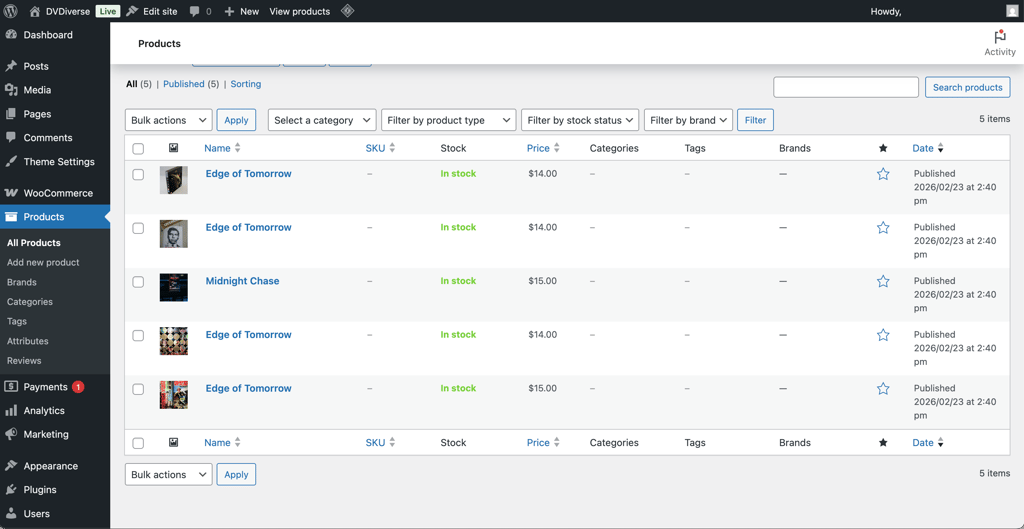
What stood out most was the flexibility. I was able to shape the store exactly around my needs instead of adapting to platform limitations. However, it also meant making more decisions and quite often required fixing small issues after installing plugins. Overall, it wasn’t the fastest way to launch a store, but it gave me the most ownership and customization out of all the platforms I tested.
Key features to look for in an eCommerce builder in Australia
When choosing an eCommerce website builder, it’s useful to test the platform before committing to a paid plan. Providers usually offer 2 options: a forever-free plan or a free trial. Here’s how they differ:
- A free plan usually has no time limit and allows you to explore the platform at your own pace. However, the available features are limited, so you will not be able to sell products, connect a domain, or access advanced tools.
- A free trial is time-limited but provides full access to the selected plan’s features, including sales tools and full customization.
Most users choose a free plan, as it allows you to explore the builder longer and get comfortable with its interface and tools before deciding if you want to upgrade. Free trials also often ask you to provide payment details upfront, which is a downside for some users.
Here are the other features I recommend looking for in an eCommerce builder:
- AUD pricing and local payment gateways. Make sure you can accept payments in Australian dollars through providers like Stripe, PayPal, and Afterpay.
- .com.au domain support. An Australian domain is important for building trust with local customers and improving search visibility.
- Shipping and tax management. Integration with Australia Post and automatic GST calculation saves time and prevents errors.
- Sales and marketing tools. Features like abandoned cart recovery, discount codes, and email marketing help grow your store.
- Scalability and customization. Look for platforms that let your store grow, add products, and customize design and functionality as your business expands.
By checking these features, you can ensure the builder will meet your needs now and as your online store grows.
Final thoughts
If you’re looking for the best eCommerce website builder in Australia, all the providers on my list are worth considering. Here’s my quick decision guide:
- Strongest overall eCommerce platform with Australian integrations – Shopify
- Best option for small stores and beginners who want flexibility – Wix
- Best choice for design-focused brands and visual storefronts – Squarespace
- Most customizable solution with full ownership and scalability – WordPress.com with WooCommerce
- Best for beginners and small businesses creating affordable eCommerce websites – Hostinger