How to bypass Facebook age verification with a VPN in the UK (2026)

The UK government is considering stricter rules for social media access by users under 16. While the exact measures have not yet been finalised, proposals under discussion could require platforms such as Facebook to introduce stronger age-verification systems, including ID checks, facial age-estimation technology, or other methods designed to confirm a user's age.
The plans form part of the government's wider online safety efforts and have gained momentum following strong public support for tougher protections for children online. Officials are currently evaluating whether an Australian-style social media ban should be introduced in the UK, though the final scope, implementation timeline, and affected platforms remain unclear.
If these measures move forward, some adults may be uncomfortable sharing government-issued identification, biometric data, or other personal information with social media platforms. In such cases, a VPN may help users avoid location-based verification requests by connecting through another country.
In this guide, I explain how the proposed UK restrictions could work, why Facebook may be affected, and how a VPN could help protect your privacy.
How to get around Facebook age verification in the UK with a VPN

- Choose a reputable VPN provider with strong privacy protections and servers outside the UK, like Proton VPN, now 70% OFF
- Download and install the VPN app on your device
- Connect to a server in another country where the same restrictions do not apply
- Open Facebook and sign in as usual
- If age verification is triggered based on location, changing your virtual location may prevent those prompts from appearing
Why could Facebook face restrictions in the UK?
The UK government is exploring several options to reduce children's exposure to potentially harmful online content.
One proposal would require social media platforms to prevent users under 16 from creating or accessing accounts. To comply, platforms may need to introduce stricter age-verification systems that could include government-issued ID checks, bank-account verification, or facial age-estimation tools.
Officials are also considering measures that target specific platform features rather than imposing a complete ban. Features such as infinite scrolling, autoplay videos, algorithmic recommendations, and stranger-to-stranger communication tools could face restrictions for younger users.
In addition, hardware manufacturers such as Apple and Google could be required to implement stronger parental-control tools on devices sold in the UK. These controls may automatically restrict access to certain content or services until a user verifies they are an adult.
The UK's communications regulator, Ofcom, would likely oversee enforcement. Companies that fail to comply with future safety requirements could face substantial penalties.
At the time of writing, the government has not confirmed exactly how these proposals will be implemented, when they will take effect, or whether all major social media platforms, including Instagram, will be covered.
How Facebook age verification could work in the UK
Although no final system has been announced, current proposals suggest that platforms may be required to use one or more of the following methods:
- Government-issued identification documents such as passports or driving licences
- Facial age-estimation technology that analyses a selfie to estimate age
- Bank-account or payment-card verification
- Third-party digital identity services
Supporters argue that these measures could help prevent underage users from accessing social media platforms. Critics, however, have raised concerns about privacy, data collection, and the risks associated with sharing sensitive personal information online.
For adults who prefer not to provide additional personal data, age-verification systems may create new barriers to accessing services they have used for years.
Step-by-step guide: how to use a VPN to access Facebook in the UK
A VPN routes your internet traffic through a secure server in another location, making it appear as though you are browsing from that country.
For this walkthrough, I used Proton VPN, although the same general process applies to most reputable VPN providers.
-
Choose a trusted VPN provider. Look for a VPN with a verified no-logs policy, strong encryption, and a large network of international servers. Proton VPN performed well during testing and offers both free and paid plans
-
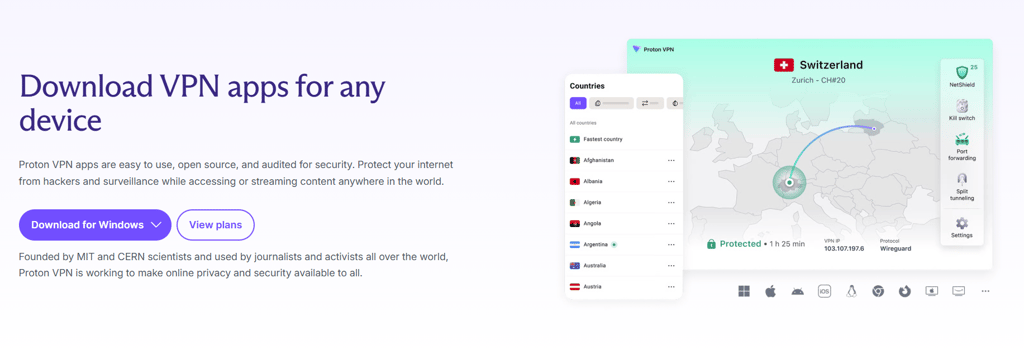
Download and install the VPN. Visit the provider's official website or app store page and install the application on your device. Most major VPNs support Windows, macOS, Android, iPhone, iPad, and Linux.
-
Connect to a server outside the UK. Open the VPN app and select a server in another country. Popular options include the United States, Germany, Ireland, and the Netherlands. If Facebook's age-verification system relies on a user's location, connecting through another region may help avoid UK-specific prompts.
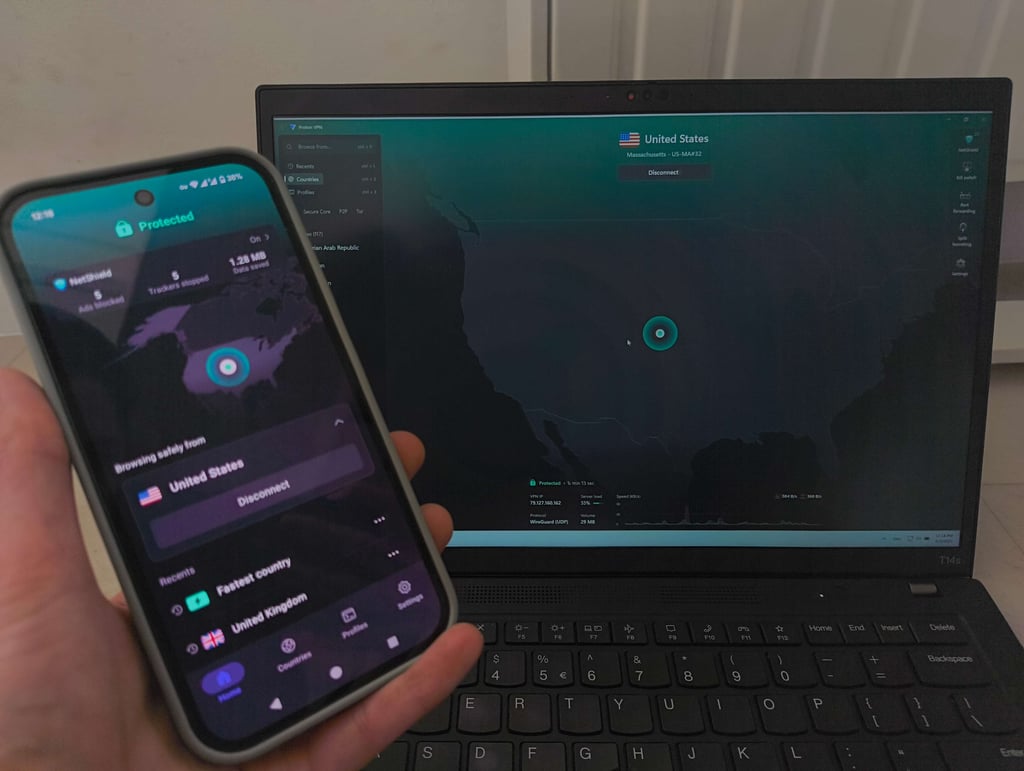
- Access Facebook. Once connected, open Facebook through your browser or mobile app. If verification requirements are tied to your geographic location, you may be able to access your account without being prompted to complete additional age checks.

Is it legal to use a VPN to bypass Facebook age verification in the UK?
VPNs are legal in the UK and are widely used for privacy, security, and protecting personal data on public networks.
However, the UK government has not finalised its proposed social media restrictions, so there is currently no official guidance regarding the use of VPNs to avoid future age-verification requirements.
Users should also remember that social media platforms may prohibit attempts to circumvent verification systems under their terms of service. Regulations and enforcement policies could evolve as the government's plans become clearer.
Final thoughts
The UK is considering new social media restrictions designed to protect children online. If introduced, these measures could require Facebook and other platforms to implement stricter age-verification systems using identification documents, facial age-estimation tools, or third-party verification services.
While supporters see these measures as an important step for child safety, some adults may have concerns about sharing sensitive personal information with technology companies.
A VPN cannot change the law, but it can provide additional privacy and may help users avoid location-based verification requests if such systems are introduced. During testing, Proton VPN delivered reliable performance, strong privacy protections, and consistent access to online services.
FAQ
Which countries require age verification on social media platforms?
Several countries have introduced or expanded age-verification requirements for online platforms, including Australia, France, and parts of the European Union. The UK is currently considering additional restrictions for social media users under 16, but the final rules have not yet been confirmed.
Can I still use Facebook in the UK without verifying my age?
Yes, at present, there is no universal age-verification requirement for Facebook users in the UK. However, this could change if the government adopts new social media restrictions.
Is it legal to bypass Facebook age verification in the UK?
Using a VPN is legal in the UK. However, if future age-verification systems are introduced, bypassing them could potentially conflict with platform policies or future regulatory requirements.
Can I use a free VPN to bypass age verification on Facebook?
Some free VPNs can help change your virtual location, but many have limitations such as slower speeds, smaller server networks, or weaker privacy protections. Proton VPN is one of the few free VPN providers that offer unlimited bandwidth and a strong privacy reputation.