The best smart posture correctors for better alignment in 2026
Being behind major reports like The Mother of All Breaches and RockYou2024, our in-house cybersecurity experts and journalists provide unbiased, real-world testing and in-depth analysis.
We maintain complete transparency by openly sharing our testing methodologies with our audience.
Learn more

It would be unfair to expect good posture from your body in today’s primarily digital world. After all, just think about how many hours you spend slaving away in front of computer screens or slouching over a laptop or a phone.
Luckily, that’s where smart posture correctors come in. These wearables can help you develop better stance habits by detecting slouching in real time and vibrating to prompt you to straighten up.
As a remote worker, I was genuinely intrigued by these promises. More importantly, I was curious as to why a smart posture corrector would be better than a basic posture brace.
That’s why the Cybernews research crew and I decided to investigate these contraptions thoroughly. Below are the results of our research: a curated list of the 6 best smart posture correctors, along with tips for finding one that meets your specific needs.
Best smart posture correctors: shortlist
- Caliora Posture Corrector – overall best smart posture corrector
- Upright GO 2 Premium – top-tier posture corrector device with app-based tracking
- RiToEasysports Smart Posture Corrector – lightweight posture support gadget
- Schiara Posture Corrector – best back posture corrector for budget-conscious users
- ComfyBrace Posture Corrector – most discreet posture brace in 2026
- Mrisata Posture Corrector – best posture brace for women and kids
The best smart posture correctors compared
Before I dive into the reviews, let’s first see how these posture vests and wearables stack up in terms of key features:
|
|
|
|
|
|
|
| Title | Caliora Posture Corrector | Upright GO 2 Premium | RiToEasysports Smart Posture Corrector | Schiara Posture Corrector | ComfyBrace Posture Corrector | Mrisata Posture Corrector |
| Price | $35.99 $39.99 -10% | $89.95 | $23.89 | $18.99 $21.99 -14% | $26.97 | $22.79 |
| Device type | Neoprene back brace for posture | Adhesive-based posture device | Over-the-shoulder wearable | Back-worn posture trainer | Hook-and-loop back brace posture corrector | Shoulder-worn posture device |
| Tracking/app | Screen-based hunching counter | UPRIGHT app for iOS and Android | No ❌ | No ❌ | No ❌ | No ❌ |
| Pros | Adjustable correction angle, hunchback counter, long-lasting battery | Highly customizable, dedicated app, up to 12 days of battery | Lightweight, discreet, loose | Budget-friendly, adjustable, unobtrusive | Dedicated back straps, discreet design, breathable material | Affordable, lightweight, 200mAh battery |
| Cons | Pricey, no app | Expensive, prone to wearing out | No app, no hunching adjustments | Velcro-based straps, not ideal for larger frames | Tight, potentially challenging to put on | No app, no angle adjustments |
| Best for | Everyday wear | App-based posture tracking | Light, non-restrictive wear | Budget users | Discreetness | Women and children |
| More info | Buy on Amazon Details | Buy on Amazon Details | Buy on Amazon Details | Buy on Amazon Details | Buy on Amazon Details | Buy on Amazon Details |
6 best smart posture correctors: our detailed list
With the basics out of the way, let’s take a closer look at each smart posture corrector individually.
1. Caliora Posture Corrector – best posture corrector brace on the market
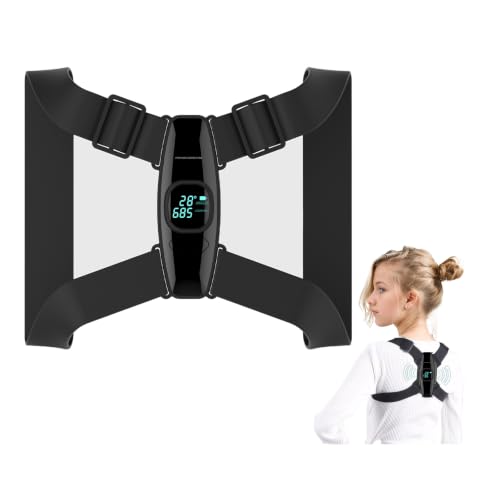
If you’ve been scouring the web for the best posture correctors, Caliora Posture Corrector is where it’s at. This two-piece gadget consists of a simple back posture brace and a vibrating centerpiece that detects your posture in real time.
The core device also includes a display that tracks battery levels, reminds you to straighten up, and counts how many times it has done so. It also lets you adjust the correction angle so it doesn’t vibrate for a slight 5-degree slouch, for example.
2. Upright GO 2 Premium – best app-based posture device
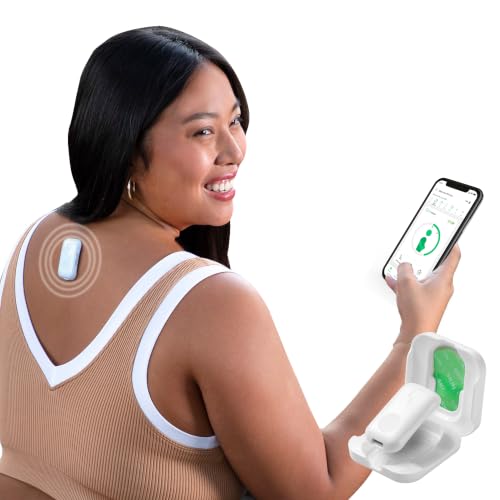
For those who prefer smart apps over on-device displays, Upright GO 2 Premium is the better solution. There’s no back brace for posture here; the device relies on 2 sensors to detect when you’re hunched over. When it does, it’ll gently vibrate to remind you to sit or stand straight.
All you’ll need to do is strap the adhesive-based GO 2 to your back. From there, you can adjust its sensitivity, track your progress, and create custom training programs within the app.
3. RiToEasysports Smart Posture Corrector – lightweight neck-worn posture support device
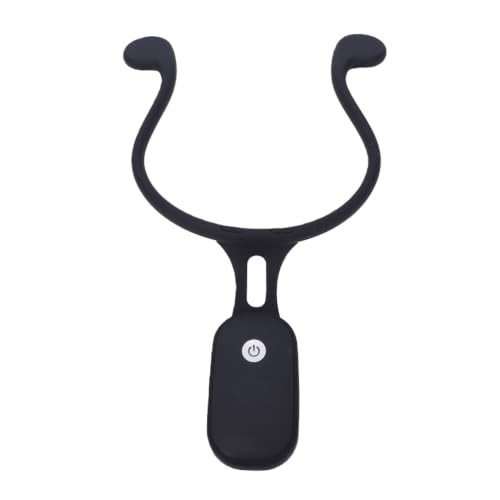
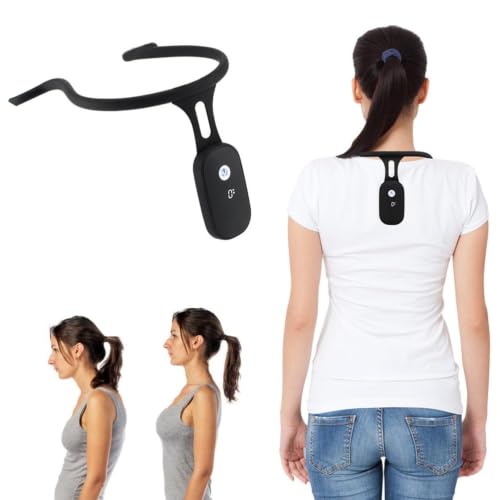
When you think of posture-correction gizmos, you probably don’t imagine something like the RiToEasysports Smart Posture Corrector. Its silicone-based construction, which goes over your shoulders, certainly doesn’t appear to be affecting your vertebral column.
And yet, this smart posture corrector does precisely that. Its vibrating centerpiece, which sits atop the vertebra, can intelligently detect hunching in real time and alert you to poor posture. Moreover, it’s comfortable to get in and out of, unlike many back posture braces.
4. Schiara Posture Corrector – most budget-friendly back posture brace
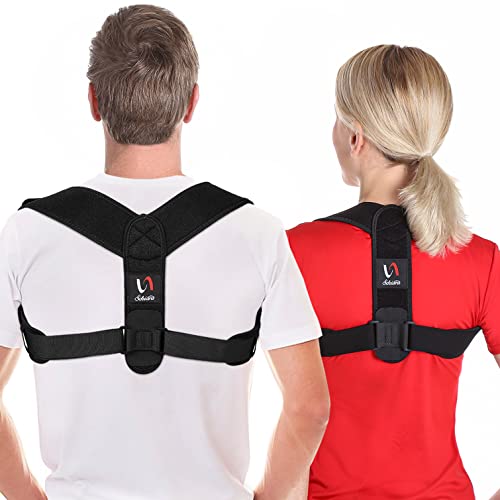
If you don’t feel like investing a larger sum into a posture brace, the Schiara Posture Corrector might be what you’re looking for. Made of neoprene, this black smart posture corrector keeps things simple and budget-friendly as it wraps around your back to improve your posture.
That said, there are a few trade-offs here. For example, you won’t find cinch straps; the gadget uses Velcro tabs instead. Its one-size-fits-all approach might not be ideal either, as taller users have had issues putting it on.
5. ComfyBrace Posture Corrector – overall best
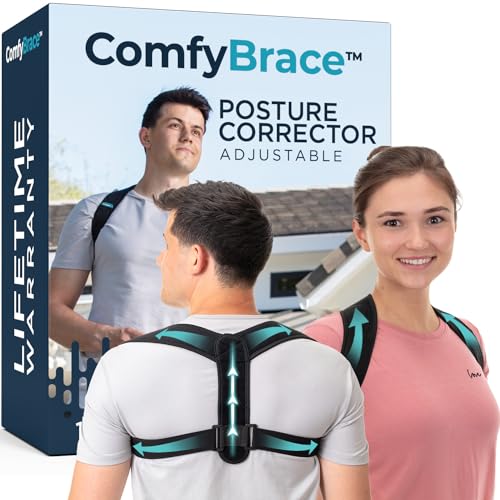
ComfyBrace Posture Corrector is a simple, no-nonsense back brace for posture designed to alleviate back, neck, shoulder, and clavicle pain. There are no vibrating reminders here; instead, it’s all about putting gentle pressure that moves your shoulders back.
The posture brace is made of breathable polyester, so you can rinse it with soapy water periodically to keep it clean. It’s also one of the least noticeable designs you’ll come across. That said, it may be a tad small and tight for some users.
6. Mrisata Posture Corrector – best posture corrector for women and kids
Much like RiToEasysports, the Mrisata Posture Corrector features a similar hanging neck design that gently vibrates when your hunch exceeds 25 degrees. The vibration motor is powered by a built-in 200mAh battery, which the brand claims can last up to a week with 4 hours of daily use.
However, because there are no adjustable straps here, the over-the-shoulder wearable isn’t ideal for larger frames. As such, it primarily suits women and children.
How we chose the best smart posture correctors
I should note that no hands-on testing was involved here. Instead, the Cybernews team and I thoroughly researched each posture corrector device, evaluating them based on:
- Comfort and wearability (15%). We kicked things off by looking into designs, builds, and materials to assess how comfortable each device would be for extended wear.
- Ease of use (20%). We also assessed how straightforward each gadget was to set up and use, be it an adhesive- or strap-based one.
- Accuracy of sensors (15%). A vibrating posture device won’t be of much help if its hunching sensors are inaccurate, so that’s something we also investigated.
- Battery life (15%). For battery-powered posture correctors, we also assessed mAh ratings to gauge whether they could provide the oomph for those claimed wear times.
- App quality (10%). For smart posture correctors that offer app-based tracking (which is certainly worth a few points in itself), we also evaluated how easy it was to use the app.
- Discreetness (10%). Because some back brace posture correctors are designed for extended daily wear, we also evaluated how light, sleek, and unobtrusive they are.
- Pricing and value (15%). Lastly, we put the best back posture correctors side by side and compared their prices to assess their real value.
What is a smart posture corrector, and how does it work?
A smart posture corrector is a wearable gadget that catches slouching in real time and alerts you to correct it.
In most cases, such a device relies on built-in sensors that detect when your shoulders, neck, and upper back are misaligned, as well as your slouching angle. When that happens, the gadget will gently vibrate as a reminder to sit or stand up straight.
As a result, smart posture correctors train your body’s muscles to maintain good posture on their own. That’s in sharp contrast to most simple back posture braces, which essentially physically force you into the correct position.
Some smart posture correctors also allow you to adjust the vibration intensity. Others let you set the angle and vibrate only if you exceed it. A third group also offers app connectivity, allowing you to track your progress and fine-tune these settings on your Android or iOS device.
Benefits of smart posture correctors
Despite their simple builds and setups, smart posture correctors can potentially have benefits, including:
- Better posture habits. These gadgets detect spinal and neck misalignment and provide real-time feedback via gentle vibrations. As such, they retrain your muscles and reprogram your sense of proper alignment, leading to better stance habits.
- Slouching reminders. You’ll probably hate the constant misalignment alerts at first, but that’s precisely how smart posture correctors work. Their vibrations essentially act as persistent nudges to maintain proper posture.
- Ergonomic tracking. Some models also offer app-based monitoring, giving you a detailed look into your ergonomics directly on your phone.
- Long-term posture improvement. By training your body’s muscles to sit or stand upright, smart posture correctors can potentially help you develop proper posture habits in the long run.
While it’s certainly possible to improve your posture with these smart gadgets, it’s also important to be realistic. After all, these aren’t cure-all devices; they’re helpful gizmos that work best when paired with ergonomic office setups and proper exercise.
How to choose the right smart posture corrector for your needs
With so many different materials, designs, and sizes, not all posture correctors will fit your needs. That’s precisely why choosing one based on your particular requirements is vital:
- Office workers. If you’re commuting or you work in a public space, chances are, you’ll prefer lightweight and discreet posture vests and gadgets.
- Students. For those who spend a lot of time on their phones or slouch over a laptop in class, posture devices with detailed app overviews will probably work best.
- Frequent travelers. Compact, easy-to-pack gadgets, like those strapless over-the-shoulder posture correctors, are a must for anyone who’s constantly on the go.
- Mild vs moderate posture issues. Vibrating, reminder-based smart posture correctors are great for mild slouching. However, those with moderate posture issues may benefit more from a firmer device with a dedicated back posture brace.
How to use a smart posture corrector properly
You can’t just strap on a smart posture corrector and call it a day. If you want to experience its potential benefits, you’ll have to keep these proper use practices in mind:
- Kick things off with shorter wear sessions. When you get your hands on a smart posture corrector, don’t go all in on your first day. Instead, start small by wearing the device for 10–15 minutes, then gradually increase wear time over the coming weeks.
- Use in combination with other practices. While they’re standalone devices, these gadgets aren’t as useful on their own. Thus, they should be used alongside other posture routines, such as taking a break from work, stretching, and exercise.
- Don’t wear it all day to prevent over-reliance. There’s a reason why some posture correctors recommend starting small and wearing the device for up to 2 hours. Not following those recommendations will overlook the gadget’s purpose and may lead to weaker muscles and overreliance.
Smart posture corrector limitations and safety considerations
While a smart posture corrector can be helpful, it’s by no means a cure-all gadget. Sure, it can be valuable if you spend a lot of time in front of the PC or slouching over a laptop. But you shouldn’t expect it to work if:
- You have severe spinal issues
- You’re dealing with chronic pain that requires medical evaluation
Then, there are device limitations to keep in mind as well, including the fact that:
- Adhesive-based devices can have their glue pads wear out
- A particular back posture corrector’s vibration sensitivity might not be enough for you
- The device’s batteries must be recharged occasionally for proper maintenance
If you fully understand these limitations and are still willing to try these gadgets, I’d highly recommend consulting your physiotherapist first. They’ll give you the rundown on whether these devices are suitable for your specific case.
Final verdict
After thorough research in collaboration with the Cybernews team, I can confidently say that smart posture correctors can be pretty helpful. Devices like the Caliora Posture Corrector detect your posture in real time and vibrate to alert you of slouching, helping you develop better posture habits over time.
That said, it’s essential to keep in mind that these gadgets aren’t a cure-all solution. On their own, they aren’t nearly as effective as when combined with other posture-supporting practices, such as stretching and exercise.
FAQ
Do smart posture correctors actually improve posture?
Potentially. These devices can help improve your posture by reminding you to sit or stand straight and retraining your muscles to maintain proper posture.
Can posture correctors cause muscle weakness?
Unfortunately, they can. Firmer back posture braces essentially force your body into the correct position. As they do what your muscles should, they can lead to less efficient muscles and even overreliance on the device to maintain proper posture.
How long should you wear a smart posture corrector per day?
That depends on both the device type and the back brace’s firmness. Most brands suggest starting with 10-minute sessions and gradually increasing wear time to up to 2 hours per day.
Are posture correctors recommended by doctors?
Yes, many physiotherapists recommend posture devices as short-term solutions. However, just as many emphasize their limitations and suggest that combining them with stretching and other posture-supporting exercises is crucial.
What’s the difference between a smart posture trainer and a posture brace?
A smart posture corrector relies on sensors that detect slouching and uses vibrations to train your muscles to naturally correct your stance. Conversely, a posture brace physically forces your body into a more natural position, but extended wear can weaken your muscles.