Utah VPN not working in 2026? Best fixes and VPNs that still work
Our in-house cybersecurity experts and journalists, renowned for major reports like The Mother of All Breaches, conduct transparent, unbiased VPN testing and in-depth analysis.
With 750+ articles crafted based on real-world research, we empower readers to make informed purchasing decisions through first-hand expertise.

If your VPN isn’t working in Utah anymore, it’s likely due to stricter VPN detection following the state’s new age-verification rules. Websites are increasingly blocking or flagging shared and low-quality VPN IPs, which is where most free VPNs tend to fail. NordVPN, Surfshark, and Proton VPN are currently the most reliable options to try, along with practical fixes like switching servers, clearing cookies, or using a dedicated IP.
Utah’s 2026 age-verification law is changing how VPN traffic is handled online. SB 73, which takes effect on September 3, 2026, says that users physically in Utah are still treated as Utah users even when using a VPN or proxy.
In response, Utah VPN not working issues are becoming more common as some websites tighten VPN detection and block known VPN IP ranges more aggressively. As a result, users in Utah might notice that previously working VPN setups are now unreliable or fail to connect to certain services. This shift has also been highlighted in recent cybersecurity reporting and by digital rights organizations such as the EFF.
If your VPN is no longer working as expected, the issue is usually technical rather than permanent. In this article, I cover the most reliable VPNs for Utah right now and practical fixes to help you restore access.
Why your VPN may not be working in Utah in 2026
If your VPN isn’t working in Utah, it’s usually because websites have changed how they handle VPN traffic after the new rules.
Utah’s SB 73 specifically addresses the age-verification loophole that VPNs and proxies can create. According to the Electronic Frontier Foundation (EFF), it’s one of the first laws of its kind to affect VPN use this way. The key change is that being physically in Utah now matters more than just your IP location.
Because of that, websites are adjusting how they handle incoming traffic. Instead of relying solely on IP detection, many platforms now combine multiple signals to determine whether to allow access. As a result, users might run into issues such as:
- Blocking of known VPN IP ranges
- Flagging or restricting shared datacenter IPs
- More aggressive or frequent age-verification prompts
- Use of additional location signals beyond just IP addresses
Free VPNs tend to be affected first because their IPs are heavily reused and more likely to be blacklisted. Even paid VPNs can run into issues if they rely on overcrowded servers or outdated infrastructure.
It’s also worth noting that not all problems come from website-side blocking. The issue can also be caused by local factors such as DNS leaks, stored cookies that reveal location data, outdated VPN apps, or unstable server connections.
Best VPNs that work in Utah
If your current setup is failing, switching to a more reliable provider is often the fastest fix. To find the best VPN services for age verification that actually work in Utah, our research team and I tested 41 VPNs. The solutions below stand out for their server quality, privacy standards, and ability to keep working even as detection gets stricter.
1. NordVPN – best overall VPN for Utah

| Rating: | |
| Based in: | Panama |
| Servers: | Thousands of servers in 149 countries |
| Current deal: | Black Friday offer 78% OFF NordVPN + 3 months free |
In my experience, NordVPN is the most reliable all-around VPN if your current setup isn’t working in Utah. One thing I like is that it’s based in Panama, outside the US, which many users prefer for privacy reasons. More importantly, it has a large global server network, so you’re much more likely to find a working server even when others are blocked or flagged.
This means more stable connections and less trial-and-error when switching locations. You’re not stuck cycling through a handful of overloaded servers – there’s enough variety to quickly find one that works.
Another useful option here is its dedicated IP feature, which can help reduce issues caused by shared or heavily flagged IP addresses. In situations like Utah, where VPN detection can be stricter, having a dedicated IP might improve connection consistency and reduce random blocks. All in all, combined with its strong privacy reputation, NordVPN is usually the first option I recommend when a VPN stops working in Utah.
2. Surfshark – best budget VPN for Utah

| Rating: | |
| Based in: | Netherlands |
| Servers: | 4,500+ servers in 100 countries |
| Current deal: | Now up to 88% OFF Surfshark + 3 months FREE |
Surfshark is a solid pick if you want a more affordable option without giving up too much reliability. In my experience, it’s a good choice when you need to test multiple servers or devices without spending as much as you would on top-tier providers.
It’s based in the Netherlands and has a large server network, which helps when you need to switch locations to find one that still works. What stands out most is the unlimited connections – you can run it on your phone, laptop, and other devices at the same time, which is useful when troubleshooting a VPN that isn’t working consistently.
3. Proton VPN – best for privacy that works in Utah

| Rating: | |
| Based in: | Switzerland |
| Servers: | 20,700+ servers in 149 countries |
| Current deal: | Get up to 70% OFF Proton VPN |
If your main priority is privacy rather than just getting around blocks, Proton VPN might be the best fit. I found it a good option for users who want a more security-focused setup, even if it means slightly less convenience compared to other VPNs.
It’s based in Switzerland, known for its privacy-friendly laws, and the service has built a reputation for transparency and a security-first design. While it may not always be the fastest when switching between servers, it’s still a reliable option if you want a VPN that prioritizes data protection.
Quick fixes to try if your VPN is not working in Utah
There are several practical fixes you can try if your VPN stops working in Utah. In most cases, the problem comes down to servers, settings, or detection signal – not the VPN itself. Let’s go through each fix in detail.
1. Switch to a premium VPN
Free VPNs are often the first to be blocked or throttled. Premium services usually have larger server networks, better IP rotation, and more stable apps, which improve your chances of finding a working connection.

2. Change to another VPN server
Your current VPN server IP might already be flagged or blacklisted. Switching to a different city or server location can often restore access immediately.
3. Try a VPN with a dedicated IP
Shared VPN IPs are easier to detect because many users are connected through the same address. A dedicated IP reduces this overlap and may improve stability, although it’s not a guaranteed fix.
4. Look for residential-style routing if available
Some VPNs offer routing that mimics residential traffic patterns, making it harder for websites to detect them than with standard datacenter IPs. This is an advanced option and might not be available on all providers.
5. Change VPN protocol
Start with the default protocol recommended by your VPN. If issues persist, try switching to another option like OpenVPN TCP, which can sometimes improve stability and reduce connection failures.
6. Clear cookies and cache
Stored cookies or cached data can still reflect your previous location. Clearing them helps remove conflicting signals that might interfere with the VPN connection.
7. Disable GPS and browser location permissions
If your device or browser shares location data, it can conflict with your VPN’s IP-based location. Disabling location permissions can help reduce mismatches.
8. Test for DNS, IPv6, or WebRTC leaks
Leaks can expose your real location even when the VPN is active. Running a quick leak test can help identify whether additional configuration is needed.
9. Try another browser or device
Browser extensions, fingerprinting, or saved site data can sometimes interfere with VPN performance. Testing a different browser or device can help isolate the issue.
10. Update or reinstall the VPN app
Outdated apps might have bugs, outdated server lists, or connection issues. Updating or reinstalling ensures you’re using the latest configuration.
11. Contact support and ask for the best server
Premium VPN support teams often know which servers are performing best at the moment. They can point you to less crowded or less frequently flagged locations.
Free VPNs vs premium VPNs in Utah
The difference between free and premium VPNs is especially noticeable in Utah, with the new age-verification rules. If you’re using a free VPN and experience connection problems in Utah, opting for a premium VPN can restore stable access.
Free VPNs typically come with major limitations. They usually have fewer servers, which means less flexibility when connections are blocked or overloaded. Their IP addresses are also more likely to be blacklisted because they are shared among many users. On top of that, performance is often inconsistent, with slower speeds and weaker overall reliability.
Privacy standards can also vary more widely with free services, which is another factor users consider when handling sensitive browsing or location-based restrictions.
On the other hand, premium VPNs like NordVPN are generally better equipped for these conditions. They offer larger server networks, better IP rotation, and more consistent performance, which makes it easier to find a working connection when access is restricted or unstable.
Can a dedicated IP help if your VPN is blocked in Utah?
Yes, a dedicated IP can sometimes help if your VPN isn’t working in Utah, especially when shared servers are being blocked. To put it simply, a dedicated IP is an IP address assigned only to you, rather than being shared with hundreds or thousands of other VPN users. Most standard VPN connections use shared IPs, which makes them easier for websites to detect and flag. There are a couple of reasons why shared IPs are more likely to get blocked:
- Many users connect through the same address
- Suspicious or high-volume traffic can trigger detection systems
- Once flagged, the entire IP can be restricted
A dedicated IP reduces this problem because your traffic isn’t mixed with others. That can lower the chances of landing on an already blacklisted address and might improve connection stability.
However, it’s not a guaranteed fix. Websites can still use other detection methods beyond IP addresses, such as cookies, browser data, or location signals. A dedicated IP is usually worth considering if:
- You frequently run into blocked servers
- You need more consistent access
- Other basic fixes (like switching servers) aren’t working
In short, a dedicated IP can improve your success rate, but it works best as part of a broader setup rather than a standalone solution.
Why non-US-based VPNs are the best option for Utah users
Many users concerned about their privacy prefer providers based outside the US. Non-US jurisdictions are often seen as a stronger trust signal because they are outside the US legal frameworks.
In this regard, providers NordVPN, Surfshark, and Proton VPN all fall into that category, as they are based outside the US and operate under different privacy jurisdictions.
While jurisdiction alone doesn’t guarantee anything, it is one of several factors users consider when choosing a VPN for reliability and privacy-focused use cases in Utah.
How to use a VPN in Utah if your old setup stopped working
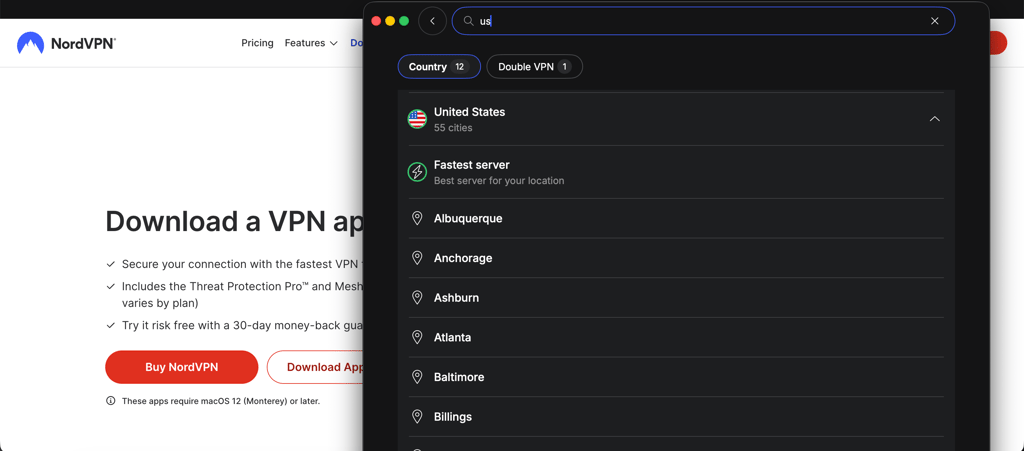
If you’re experiencing problems with your current VPN setup, there’s an easy way to fix it. Switching to a more reliable configuration usually resolves the issue. Here’s how you can do it in a few steps:
- Choose a premium VPN like NordVPN, Surfshark, or Proton VPN
-
Install the VPN app and sign in
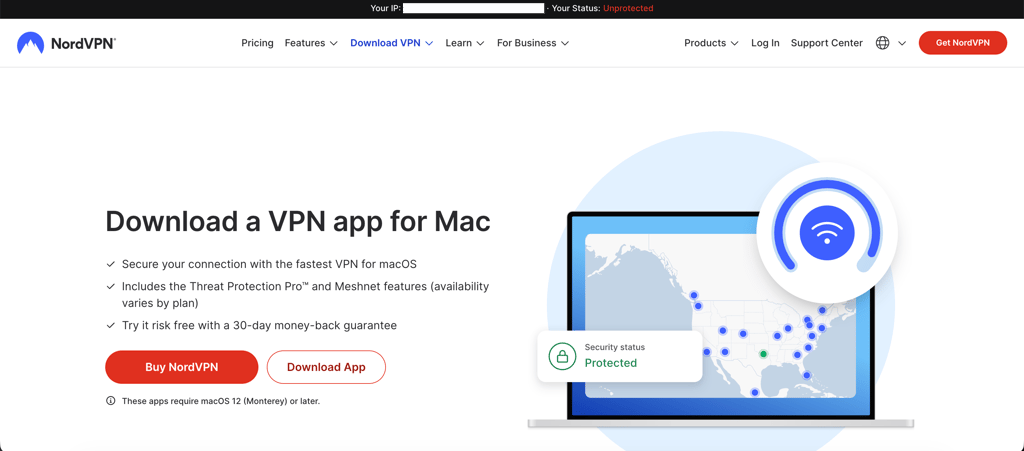
-
Connect to a server outside Utah
- Clear your browser cookies and reload the site
- If it still doesn’t work, switch to another server or try a dedicated IP option
In most cases, one of these steps is enough to restore a stable connection.
Is using a VPN illegal in Utah?
No, VPNs themselves aren’t banned or made illegal under Utah’s new age-verification law. You can still legally use VPN services in the state for privacy, security, and general internet access.
The change comes from how platforms are expected to handle access. Under SB 73, websites are under increased pressure to verify user age and account for users physically located in Utah, even when they are connected through a VPN or proxy. This can affect how strictly VPN traffic is detected or restricted in practice.
In general, you should still follow local laws and the terms of service of any platform you access while using a VPN.
Final verdict
If your VPN stopped working in Utah, the quickest fix is to switch to a strong, reliable solution like NordVPN. It offers a strong server network and consistent performance.
If access is blocked, try switching servers, clearing cookies, and disabling location or browser-based leaks first. If that still doesn’t help, a dedicated IP can sometimes improve stability by avoiding shared, flagged addresses.
However, based on my experience, I don’t recommend using free VPNs in Utah, as they are more likely to be blocked and generally less reliable.
FAQ
Why is my VPN not working in Utah anymore?
Your VPN might not be working in Utah because websites are getting stricter about VPN detection after the state’s new age-verification rules took effect. Shared VPN IPs, especially from free providers, are more likely to be flagged or blocked.
What is the best VPN for Utah in 2026?
NordVPN is the best overall VPN for Utah in 2026 because it combines strong privacy, fast speeds, and a large server network. Surfshark is a good budget pick that still works in Utah, while Proton VPN is best for privacy-focused users.
Can a dedicated IP help if my VPN is blocked in Utah?
Yes, a dedicated IP can help because it is less likely to have already been flagged than a heavily reused shared VPN IP. It doesn’t guarantee success, but it can improve your chances.
Are free VPNs worth using in Utah?
Usually not. Free VPNs are more likely to be blocked, slower, and less reliable, which makes them a poor choice if your goal is to get a VPN working in Utah.
Did Utah ban VPNs in 2026?
No, Utah didn’t ban VPNs outright. However, SB 73 takes effect on September 3, 2026, and treats users physically located in Utah as Utah users even when they use a VPN or proxy, which might lead websites to block VPN traffic more aggressively.