Anthropic CEO Dario Amodei says public will finally trust AI if it “actually cures cancer”
AI leaders aren’t the problem, says AI leader.
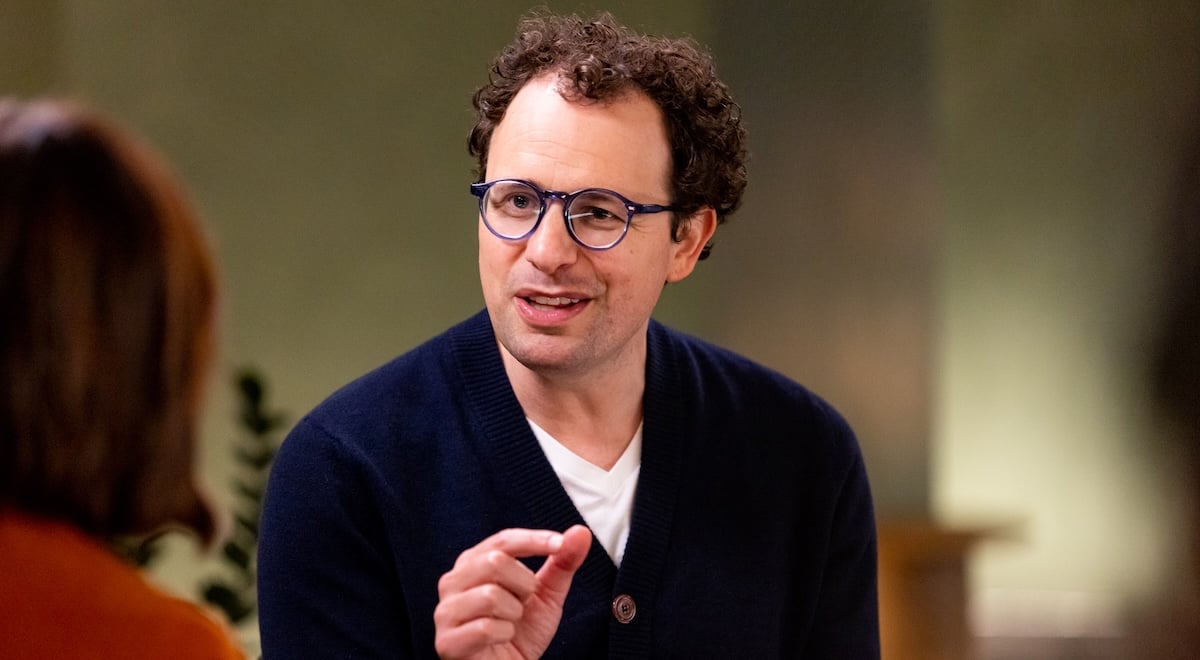
Anthropic CEO Dario Amondei by Getty/Bloomberg.

 Follow us
Anthropic’s chief believes “ordinary people” will only be won over by AI companies if they deliver on their promises.
Dario Amodei, the CEO of Anthropic, made a rare social media post discussing the general distrust surrounding AI.
“I do agree that the public has a negative view of AI (and that this is a big problem), but I don’t think it is primarily caused by me or any other AI leader warning about AI’s risks,” Amodei said in an X post.
The issues between the general public and AI companies aren’t due to AI leaders, says Amodei. Rather, they stem from a fundamental “crisis of trust.”
The causes of this go back decades, and AI is just the latest iteration of it.from Anthropic CEO Dario Amodei's X post.





The general public seems to believe that big tech is “cooking up some new way to screw them over,” which may only slow progress.
However, the only way to “win back the trust – at this point…is actually curing cancer,” instead of just promising AI will do it.
“I think by far the most accurate criticism of AI companies, including Anthropic, is that we haven’t yet delivered on our big promises to benefit the world…that is totally on us,” Amodei admits.
Instead of empty promises, the Anthropic CEO believes the best way to prove the general public wrong about AI is to deliver on them.
“Honesty is the right thing on the merits, and in terms of public credibility and trust, it is no worse than, and may in fact be better than, an approach that ignores or distracts from risks which people instinctively understand are real.”
What Amodei is saying is that by “speaking negatively” about AI, big tech leaders are actually being transparent about the potential, real risks of AI, rather than distracting the public with “glitzy marketing.”



Stay updated with our latest stories and follow us on social media
Be the first to discover new stories, ideas, and updates from our team.
AI isn’t all sunshine and rainbows
While Amodei asserts that AI leaders were simply mitigating the effects of their unbridled optimism at the beginning of the AI era, when their products were relatively new, many AI pioneers have since come out to challenge those earlier notions.
OpenAI head Sam Altman, who previously said that AGI would “solve all of physics,” has also said that AI will likely lead to the end of the world.
SpaceXAI CEO, Elon Musk, echoed this notion, saying there’s a decent chance of AI destroying humanity, seemingly mirroring Geoffrey Hinton’s previous estimation.
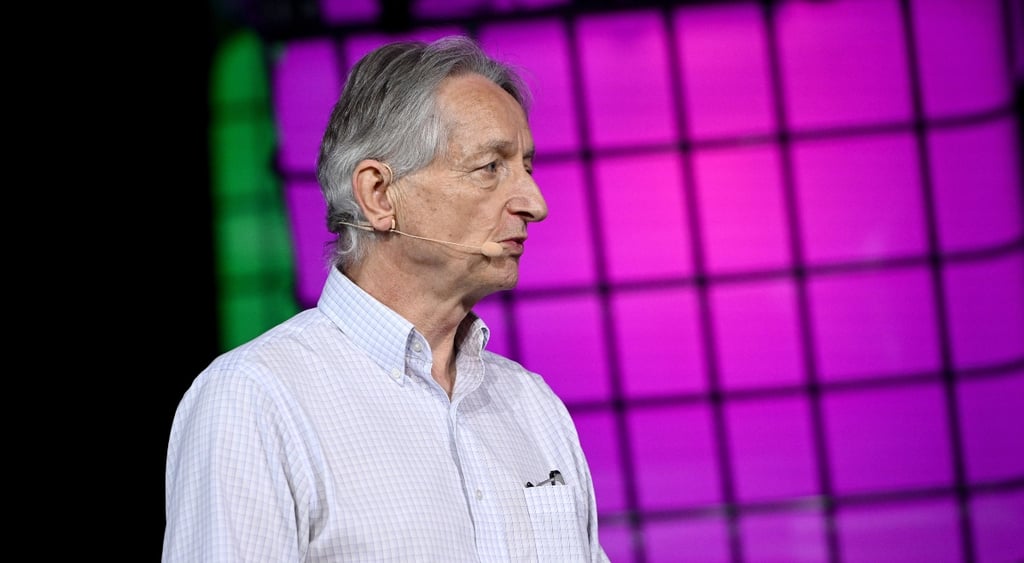
Hinton, known famously as “The Godfather of AI,” has delivered many stark warnings about AI in the past.
In an interview for The Diary of a CEO podcast, Hinton once said that it’s his “mission… to warn people how dangerous AI could be.”
Hinton also said that there’s a decent chance that AI will act as the catalyst for our downfall as a species, and more recently, predicts a “jobless boom” is incoming, according to Fortune.
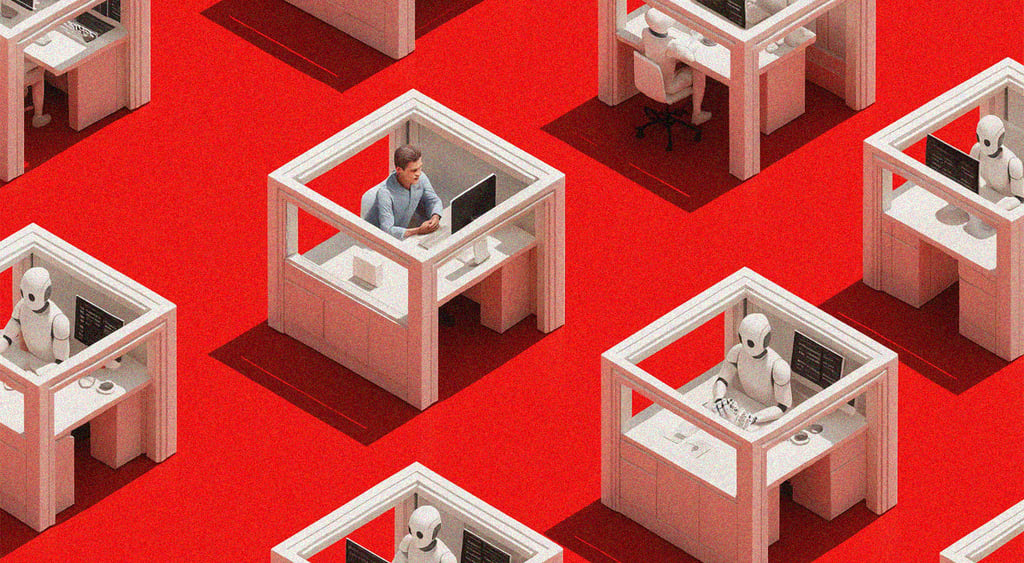
But Amodei still has hope
While the discourse surrounding AI, particularly its effects on the climate and users' mental health, has often been negative, Amodei believes AI is still capable of changing the world for the better.
To summarize the above, my basic prediction is that AI-enabled biology and medicine will allow us to compress the progress that human biologists would have achieved over the next 50-100 years into 5-10 yearsfrom the essay Machines of Loving Grace by Anthropic CEO Dario Amodei
And the need for this world-changing technology isn’t simply theoretical – it’s also personal.
“I lost my father to Hepatitis C only a few years before the development of direct-acting antivirals (sofosbuvir), which cure 95% of patients and probably would have cured him,” Amodei said in the post.
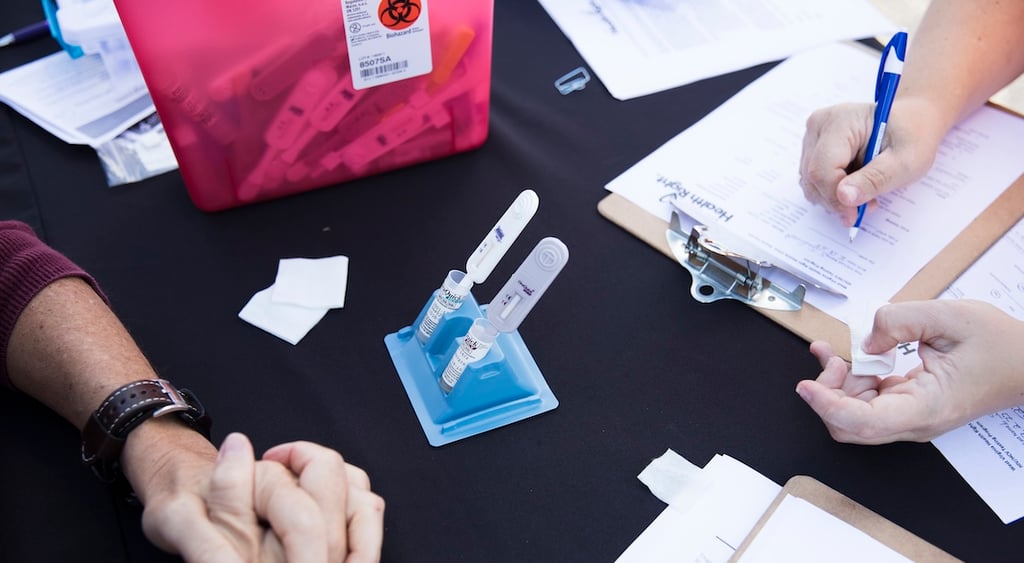
Anthropic’s CEO indicates that developing medicines to cure certain diseases is of dire importance, and that if the drug had been developed sooner, his dad might have survived.
That’s where the argument for AI comes into play, as Amodei believes that “it will actually be possible to cure most human diseases in 5-10 years, as crazy as it may sound to ordinary people and frankly to biologists as well,” Amodei said.
This statement refers to the essay Machines of Loving Grace which explores what the world could look like if “everything goes right” with AI.

What Amodei said about AI in 2024
In this essay, published in 2024, Amodei claims that “powerful AI,” a term used by the CEO in place of artificial general intelligence (AGI), will have the “greatest potential to directly and unambiguously improve the quality of human life.”
Powerful AI could improve our quality of life at a fundamental level by helping people live longer, by allowing us to take control of what happens inside our bodies, and empowering us to solve health problems as they arise, according to Amodei’s essay.
AI could be used to advance mRNA vaccines, which became famous during COVID, cell therapies used to fight disease, and gene-editing treatments that could eradicate life-threatening genetic diseases.