Companies are swapping premium AI for cheaper alternatives
Silicon Valley's powerful and pricey AI models have been a necessity for businesses looking to future-proof themselves. But now a growing number of tech CEOs are arguing that cheaper options would be crucial for their wider adoption.

Image by Cybernews.
 Follow us
Silicon Valley's powerful and pricey AI models have been a necessity for businesses looking to future-proof themselves. But now a growing number of tech CEOs are arguing that cheaper options would be crucial for their wider adoption.
- Businesses are moving away from premium AI models as rising usage costs make them harder to justify.
- Many companies are switching to cheaper or open-source AI models for routine tasks while reserving top-tier models for complex work.
- AI pricing is shifting from flat subscriptions to usage-based billing, making costs less predictable and often much higher.
- Some companies are already feeling the impact. Uber reportedly exhausted its 2026 AI budget in just four months after widespread employee adoption of AI coding tools.
- Open-source and Chinese AI models, particularly DeepSeek, are gaining traction thanks to significantly lower costs, despite ongoing security concerns.
Key Takeaways by nexos.ai, reviewed by Cybernews staff.
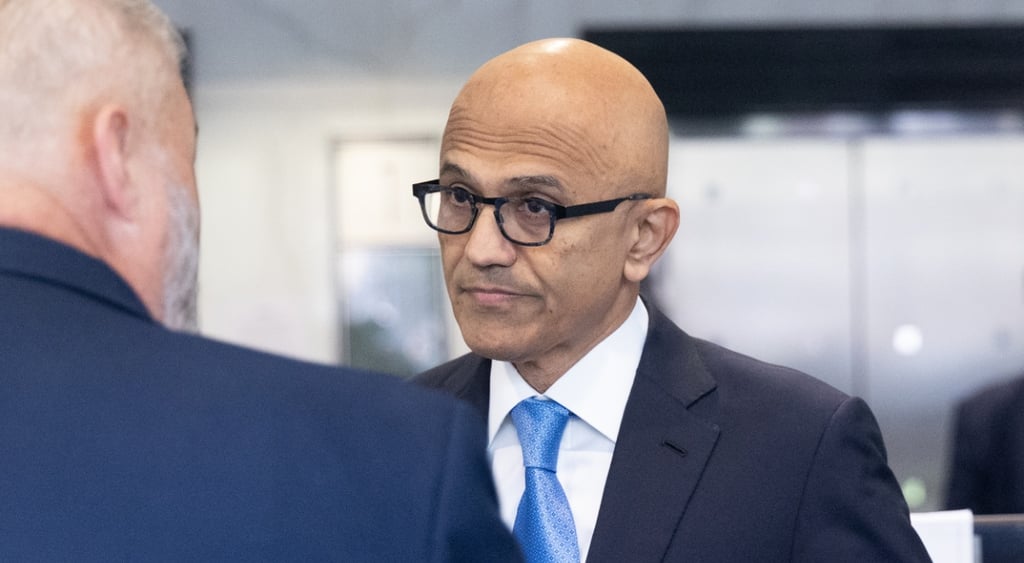
Top executives such as Microsoft's Satya Nadella, Palo Alto Networks' Nikesh Arora and Coinbase Global's Brian Armstrong have said smaller, cheaper models can handle a big share of corporate needs.
This view is the result of a reassessment within companies that until recently encouraged heavy use of AI tools, often treating rising consumption as a proxy for productivity, dubbed "tokenmaxxing". Now, those bills are starting to bite.






Prices of tokens - the units used to measure AI usage - are falling, but the cost of completing a task is rising as AI firms shift from flat subscriptions to usage-based pricing. That is leaving companies with unpredictable and often higher bills as usage per task becomes harder to estimate.
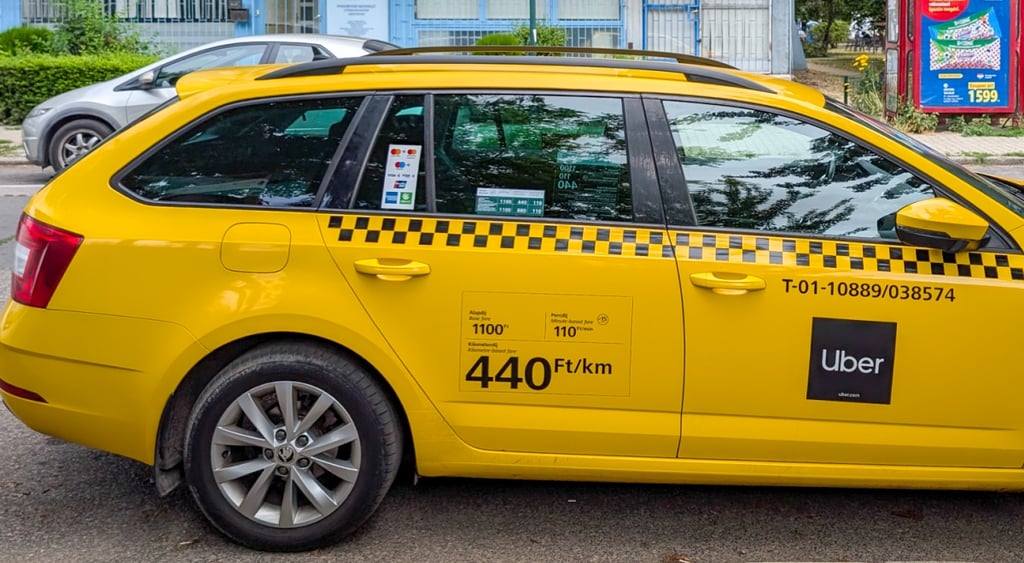
Uber, for instance, burned through its entire 2026 AI budget in just four months after employees rushed to adopt AI coding tools, forcing management to cap usage, according to reports.
"Changing the license model caught a lot of people by surprise," said Harold Byun, CEO of BlueRock, a startup that helps companies run AI systems safely. "Immediately after that, we had a number of reports from customers that we're seeing a 20% to 30% spike in terms of over-budgeting."
Companies seek lower-cost AI alternatives
As companies use AI more, their costs are surging beyond initial estimates as tasks now involve more steps, more data and longer inputs.
Gartner estimates AI coding costs will surpass the average developer's salary by 2028, while a survey by the research firm found three-quarters of executives see tech budgets rising this year, with nearly half of them projecting double-digit jumps.
That has led businesses to embrace cheaper models and turn to routing tools such as OpenRouter, an AI marketplace, as they seek to assign tasks to the most cost-effective system while reserving premium models for complex work such as coding.
Open-source tokens processed on OpenRouter jumped to 65% in June from 34% in January, according to a Citi note.
That should benefit open-source model makers such as China's DeepSeek, which have won wide adoption among startups but struggled to break into large businesses due to security concerns.
"If you want to win enterprise, you should be forward pricing tokens," Palo Alto Network's Arora wrote on X last week, urging AI labs to charge customers today at the lower rates that tokens are expected to command in a few years.
OpenAI appears to be adjusting to the shift. ChatGPT maker has been reported to be weighing significant price cuts, including on token usage, in anticipation of similar moves from rival Anthropic.
However, any shift to cheaper models could hurt their revenue growth, especially as they prepare for potential IPOs.
"There will be a price-war dynamic when it comes to OpenAI and Anthropic as they both duke it out for a 'first to public market' IPO dates," said Christopher Brown, financial adviser in private wealth management at Synovus Securities, which owns shares in several Big Tech companies.
Tech stocks sold off for much of last week as investors reassessed AI valuations as doubts about returns on massive spending were compounded by weak post-IPO show from SpaceX and reports that OpenAI may delay its listing.
Chinese models close in on US rivals
The cost spike is pushing more businesses toward open-source models, including cheaper Chinese alternatives. The four most popular models on OpenRouter are all Chinese, with DeepSeek holding the top spot.
Chinese models are closing the capability gap with top US models while charging as little as 18 cents per million tokens, against $4 on an average for the top models, the Citi note showed.






"They (open-source models) used to be more than a year behind (leading AI models). Now, probably the estimates are they're roughly four months behind. That the gap will continue to close," BlueRock's Byun said.
Still, some analysts said that concerns about the security of Chinese models were likely to hamper enterprise adoption, especially in sensitive industries such as cybersecurity.
Instead, they expect businesses to follow the cloud computing playbook, spreading across multiple providers in search of the best fit and price.
Open-source models are showing that they are "90% as good at 10% of the price", said Val Bercovici, chief AI officer at WEKA, which helps companies run AI models faster and cheaper. "We don't need to spend the premium tokens on every level of effort."
Unlock more exclusive Cybernews content on YouTube.