OpenAI's Georgia facility aims to avoid the backlash hitting AI data centers
It's one of the largest AI infrastructure projects announced to date.
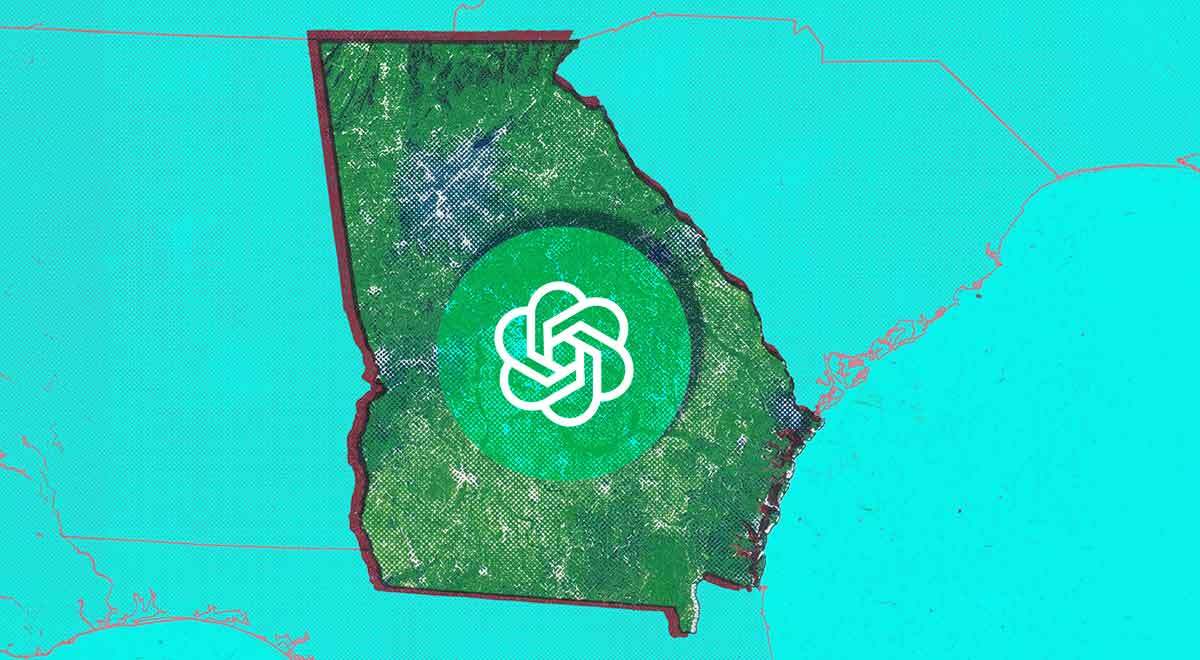
Georgia. By Cybernews

 Follow us
- OpenAI plans a major AI facility in Effingham County, Georgia, with up to 3.2 gigawatts of power secured.
- The company says Project Camellia will not raise local electricity bills and will reduce power use during peak demand.
- OpenAI says closed-loop cooling will limit fresh water use, addressing concerns after data center controversies in Georgia and Wyoming.
- The project shows AI infrastructure now faces public and political scrutiny over energy, water, jobs, and local impacts.
Key Takeaways by nexos.ai, reviewed by Cybernews staff.
The project, known as Project Camellia, will be built in Effingham County, Georgia. OpenAI said it has secured up to 3.2 gigawatts of power for the site through 2032.
The company said the facility is designed to support the growing demand for AI services. At the same time, it outlined a long list of measures aimed at reducing its impact on nearby communities.
Among its promises, OpenAI said local residents will not see higher electricity bills because of the project. The company said it will pay for the infrastructure needed to connect the facility to the grid. It also pledged to reduce its own power consumption during periods of peak demand.
Water use was another major focus. OpenAI said the facility will rely on closed-loop cooling systems that recycle water instead of consuming large amounts of fresh supplies. As with all major infrastructure projects, the company also highlighted plans to create jobs and invest in the local economy as construction progresses.






Winning over local communities
OpenAI’s assurances make even more sense given that Georgia residents have experienced the side effects of massive data centers in their neighborhoods.
Earlier this year, investigators found that a data center was secretly drawing 29 million gallons of water, causing unusually low water pressure in homes across Georgia’s Fayette County.
Environmental issues have become a particularly sensitive topic. Earlier this month, a contractor overseeing a Meta-affiliated data center was accused of contaminating the water supply in Cheyenne, Wyoming.
Power demand has also become a flashpoint. AI data centers require enormous amounts of electricity, prompting warnings that growing demand could increase costs for both households and industrial users as utilities expand generation and grid infrastructure.
OpenAI's repeated emphasis that Project Camellia will not raise residents' electricity bills appears intended to address those fears directly.



Stay updated with our latest stories and follow us on social media
Be the first to discover new stories, ideas, and updates from our team.
The company also outlined plans to engage with local communities before and during construction. It said it will work with local officials, support workforce development, and continue sharing information about the project as it moves ahead. It will hold a public open house on Thursday.
The conversation on this topic is live. Join in the discussion.
The opposition to data centers is no longer confined to the United States. Communities in other parts of the world are also pushing back against massive resource-draining facilities near their homes.
OpenAI's latest announcement suggests the company understands that building AI infrastructure is no longer just an engineering challenge. It is increasingly becoming a public relations and political one.