Cybercriminals now building fake FBI offices to trick victims in "new twist" on agent impersonation scams
"One fraudster staged the background to resemble an FBI office, complete with a desk, an FBI seal, and a man in a suit," the FBI warns.
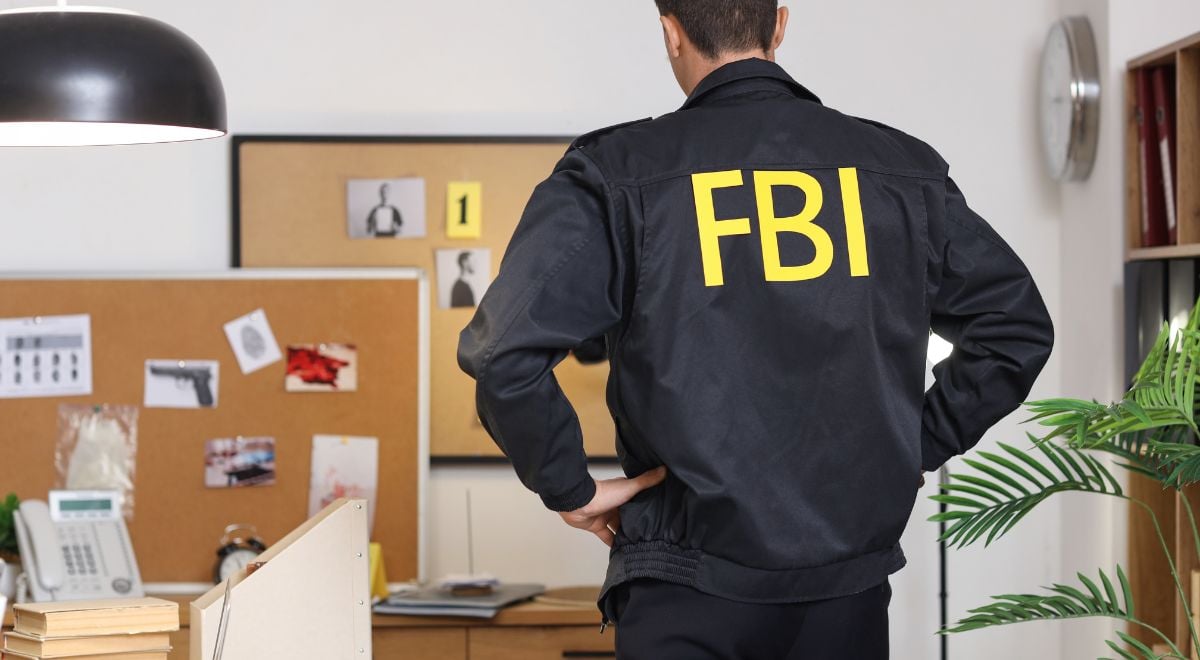
Image by Pixel-shot | Shutterstock

 Follow us
- The FBI says scammers now use real agents’ names, spoofed phone numbers, and fake office backgrounds.
- Victims may verify a real agent exists, which can make the fake call seem legitimate.
- The FBI crime center received nearly 61,000 related complaints, with reported losses over $1.6 billion.
- The FBI advises people to call official agency numbers and never send money to alleged agents.
Key Takeaways by nexos.ai, reviewed by Cybernews staff.
FBI impersonation scammers are stepping up their game once again – this time, cybercriminals are not only using the names of real agents but also setting up fake offices to trick victims, FBI officials warned this week.
The latest warning, issued on Tuesday by the Newark, New Jersey FBI field office , described the criminal upgrade as an “insidious new twist on an old fraud scheme.”
The new twist involves tactics that make it extremely difficult for potential victims to verify whether they are being targeted,said FBI Newark Public Affairs Specialist Amy Thoreson.




Apparently, the refreshed scam involves a three-fold deception: using the names of real agents, spoofing real FBI phone numbers, and in some cases, scheduling video calls with fake backgrounds designed to look like real FBI offices.
Fake FBI office setup tricks victims
The Newark FBI notes that impersonation scams are nothing new; in fact, the federal law enforcement agency has been warning about hackers posing as FBI, DEA, and Secret Service agents for decades.
The goal? Trick victims into handing over their hard-earned cash, as well as personally identifiable information (PII) that can be reused in follow-up phishing attacks.
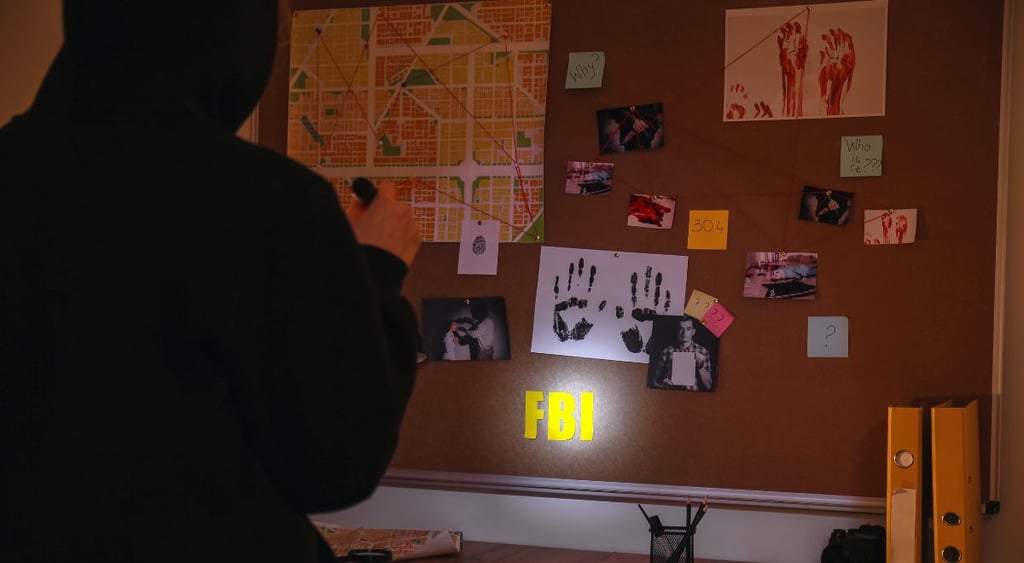
Scammers, who primarily contact victims through unsolicited phone calls, are increasingly using the names of real federal agents, Newark FBI explains.
The criminals first call the target “spoofing the phone numbers of federal law enforcement agency field offices,” and introduce themselves using the names of real federal agents.
Curious what others think about this story? Contribute your thoughts to the debate below.
If a victim calls the associated field office to check if the agent actually exists, the office will verify that the agent does, in fact, work there.
This means that even if victims don’t get to talk with the real agent, they are likely to be convinced the call is authentic.
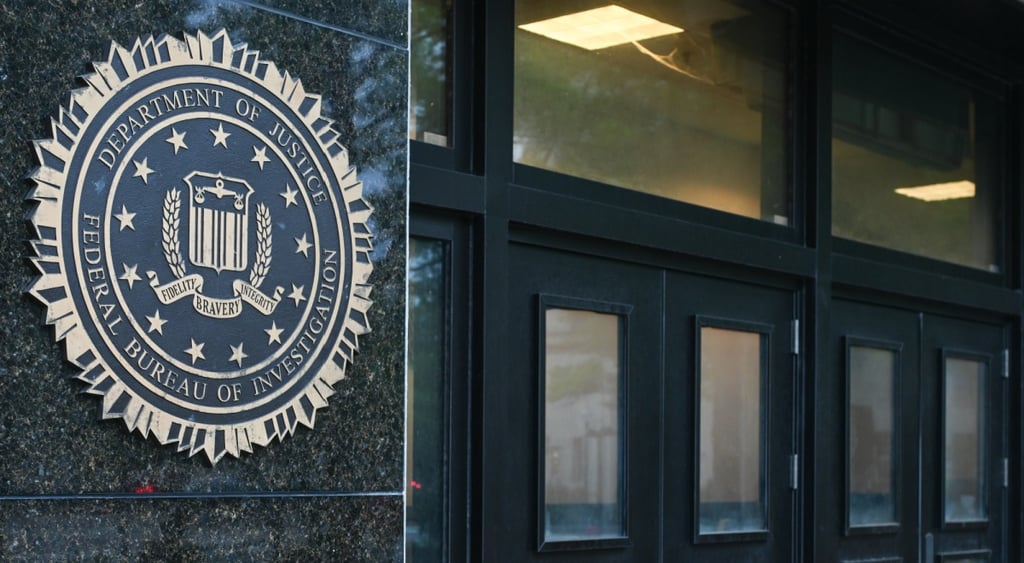
The FBI says scammers have also been observed incorporating tactics involving AI tools and newer technologies to support the refreshed impersonation schemes.
Some have been documented using online virtual meeting platforms to trick the victim into believing they are calling from inside a real law enforcement agency.
One fraudster staged the background to resemble an FBI office, complete with a desk, an FBI seal, and a man in a suit,FBI Newark said.
How to protect against virtual FBI scammers
On September 17th, the FBI’s Internet Crime Complaint Center (IC3) issued a public service announcement warning about an uptick in impersonation scams.
The PSA states that between January 2025 and July 2026, the IC3 received nearly 61,000 complaints of law enforcement or government impersonation scams, with losses totaling more than $1.6 billion.




Stay updated with our latest stories and follow us on social media
Be the first to discover new stories, ideas, and updates from our team.
The FBI provides several tips to help protect victims against the latest tactics.
- Never send money to anyone claiming to be a federal law enforcement agent.
- Look up the agency's official phone number yourself and call to verify the agent’s identity. Tell the agency you believe you may be the target of a scam and want to confirm whether a real agent is contacting you.
- If a fraudster uses a virtual meeting platform, take photos or record the video and submit it to tips.fbi.gov.
The FBI also says if you cannot reach someone at a local field office, contact the main agency office in Washington, D.C or call 1‑800‑CALL‑FBI to speak directly with a real FBI representative.