Russia charges Telegram CEO Pavel Durov for “aiding terrorism”
He’s now on the international wanted list.
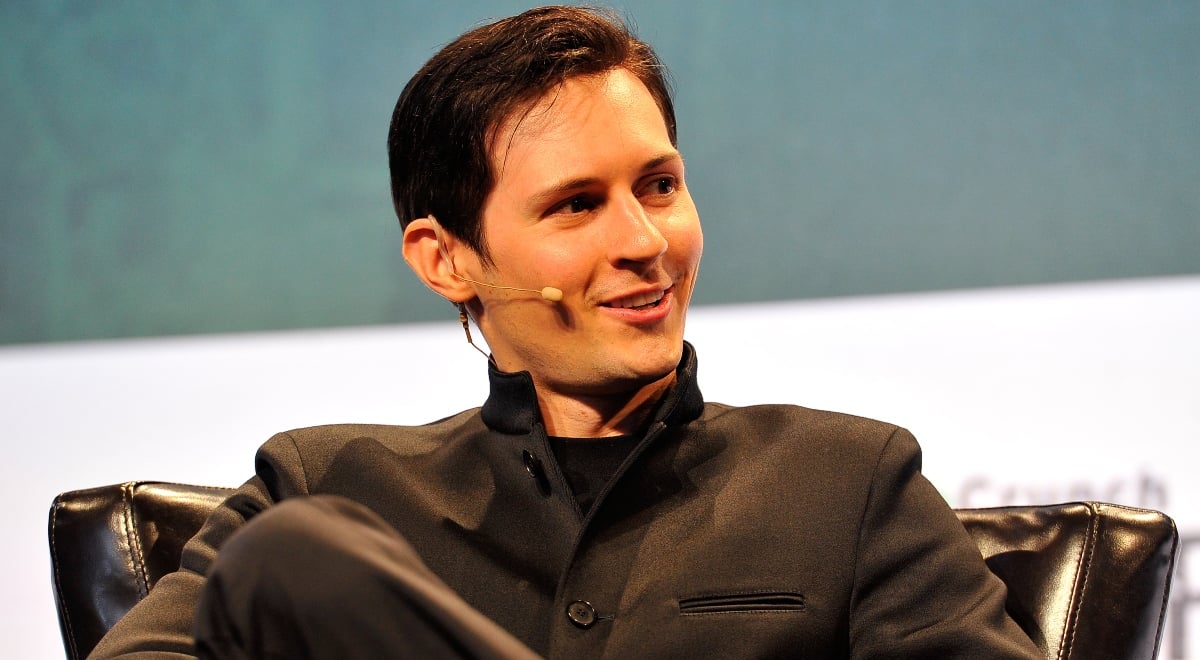
Pavel Durov. Photo by Steve Jennings/Getty Images for TechCrunch

 Follow us
- Russia charged Telegram CEO Pavel Durov with aiding terrorism and issued an international arrest warrant.
- The FSB says Telegram failed to remove channels and bots used to coordinate attacks and sabotage in Russia.
- Durov has not publicly responded, but earlier accused Russia of trying to restrict privacy and free speech.
Key Takeaways by nexos.ai, reviewed by Cybernews staff.
Russia has charged Telegram founder and chief executive Pavel Durov with aiding terrorism and issued an international arrest warrant.
Russia’s Federal Security Service (FSB) has placed Durov on an international wanted list, claiming the founder of the messaging app failed to remove channels and bots that were used to coordinate unspecified terrorist attacks and sabotage in Russia, causing "human casualties" and "material damage worth billions."
Durov was born and began his career in Russia, but later moved abroad. The owner of Telegram, a messaging service with more than 1 billion users, is also a citizen of France and the United Arab Emirates.
Durov, who is now apparently based in Dubai, has yet to react on his official Telegram channel. However, in February this year, the entrepreneur warned that Russia had opened a criminal case against him for "aiding terrorism."






"Each day, the authorities fabricate new pretexts to restrict Russians’ access to Telegram as they seek to suppress the right to privacy and free speech. A sad spectacle of a state afraid of its own people," Durov, who left Russia in 2014, wrote in February.
Russia has tried to block Telegram or restrict access to it on multiple occasions. For example, since last year, authorities have restricted Telegram’s functionality, such as voice and video calls, claiming it was necessary to combat fraud and terrorism.
At the same time, the government has promoted the state-backed MAX messaging app as an alternative, which is largely considered unsafe to use because of law enforcement monitoring. However, as reported by Cybernews, Telegram itself is also being used by Russia to recruit saboteurs across Europe.



Stay updated with our latest stories and follow us on social media
Be the first to discover new stories, ideas, and updates from our team.
In either case, governments across the globe keep trying to block or restrict communication channels. Another example comes from India, where its government has unsuccessfully attempted to block BitChat.
Curious what others think about this story? Contribute your thoughts to the debate below.
However, this decentralized communication app, which can run without internet access, has managed to bypass the restrictions and grow even further.