Businesses stop accepting screenshots as proof after AI makes fake bank transfers too easy
Screenshots are easy to manipulate – verification is essential.
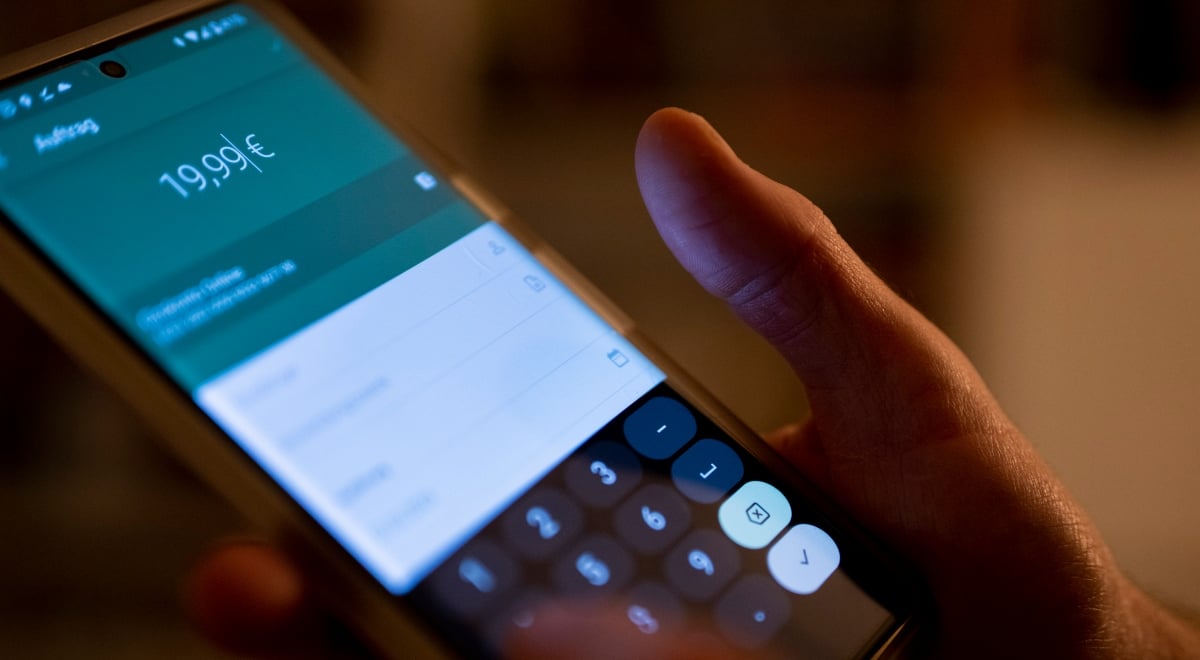
Online banking. Image by Monika Skolimowska/picture alliance via Getty Images

 Follow us
- Businesses are rejecting screenshots as proof because AI tools can create convincing fake transfers, bookings, and messages.
- Cybersecurity firm ESET warns fake digital evidence increases fraud risks for consumers and companies.
- Screenshots can still support investigations, but staff should not take irreversible action based on them alone.
Key Takeaways by nexos.ai, reviewed by Cybernews staff.
Screenshots used to be fairly reliable evidence. Nowadays, due to the popularity and acceleration of AI technology, they no longer prove anything.
Whether showing that you made a payment, proving that your booking is real, or capturing a conversation, screenshots were considered dependable and trustworthy to demonstrate that you actually did what you said you would.
Unfortunately, screenshots no longer pass as definitive proof of anything.
Sure, we always had to be aware of manipulation, but due to generative AI and other available tools, it’s easier than ever to produce convincing fabrications.


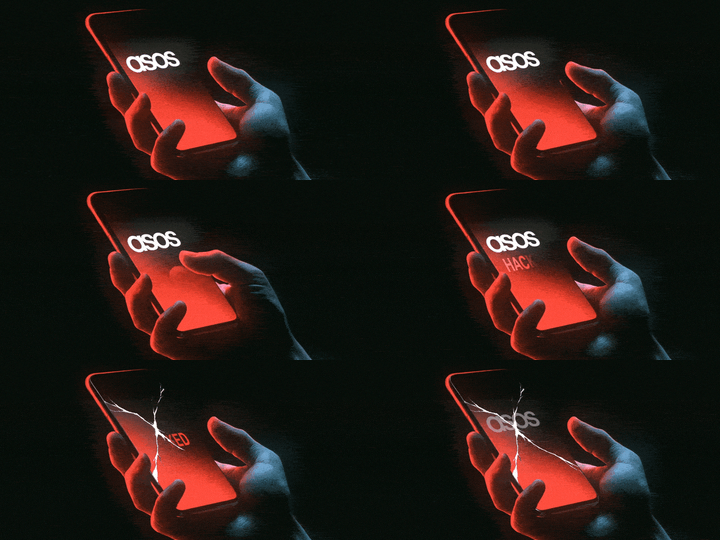
Everything from bank transfers and bookings to social media posts and corporate chats can be easily created using AI.
“That’s bad news for consumers already facing a massive surge in digital fraud, as well as possibly for companies exposed to financial, regulatory, and reputational risk,” cybersecurity firm ESET says in a recently published blog post.
Therefore, people, businesses, and organizations need to reevaluate what’s considered digital evidence and no longer simply take screenshots at face value.



Stay updated with our latest stories and follow us on social media
Be the first to discover new stories, ideas, and updates from our team.
For starters, a screenshot is ultimately just an image of what appeared on screen. It doesn’t provide reliable information about who created it or whether what is depicted is genuine.
That’s the number one reason some businesses have become skeptical of a screenshot’s authenticity and demand additional evidence to verify its origin and accuracy.
“Technology doesn’t stand still. And neither can you nor your business. As digital evidence becomes easier to fake and is used by scammers in growing numbers, individuals and businesses need to take action,” ESET states.
The cybersecurity firm recommends that businesses and organizations update their verification processes and procedures.
For example, screenshots should be checked against source system logs to verify when a user’s account performed a specific action. In addition, external customers should be asked to send original emails or messages, which can be verified, rather than screenshots.
Lastly, customer support and HR teams should be trained to understand they’re not supposed to take any irreversible action based on a screenshot.
Does this mean that screenshots are utterly useless? Absolutely not.
“But they should be treated as supporting material rather than a source of truth. A convincing screenshot may tell you where to look. Confirmation should come from a system or channel that the sender can’t control,” ESET concludes its blog.