AI Therapist
Last updated: December 18, 2025
What is AI Therapist?
AI Therapist is an innovative mental health application harnessing artificial intelligence to deliver therapy-like conversations and emotional support. Developed for those who may not be able to access in-person therapy, it functions around the clock, providing a safe and private space for discussing thoughts, feelings, and personal challenges at any time.
With user-friendly chat interfaces, AI Therapist engages users in empathetic, non-judgmental dialogues, simulating real therapist interactions. Whether you need quick relief from stress or want to develop healthier thinking patterns, AI Therapist is designed to act as an accessible companion for your mental wellbeing journey.
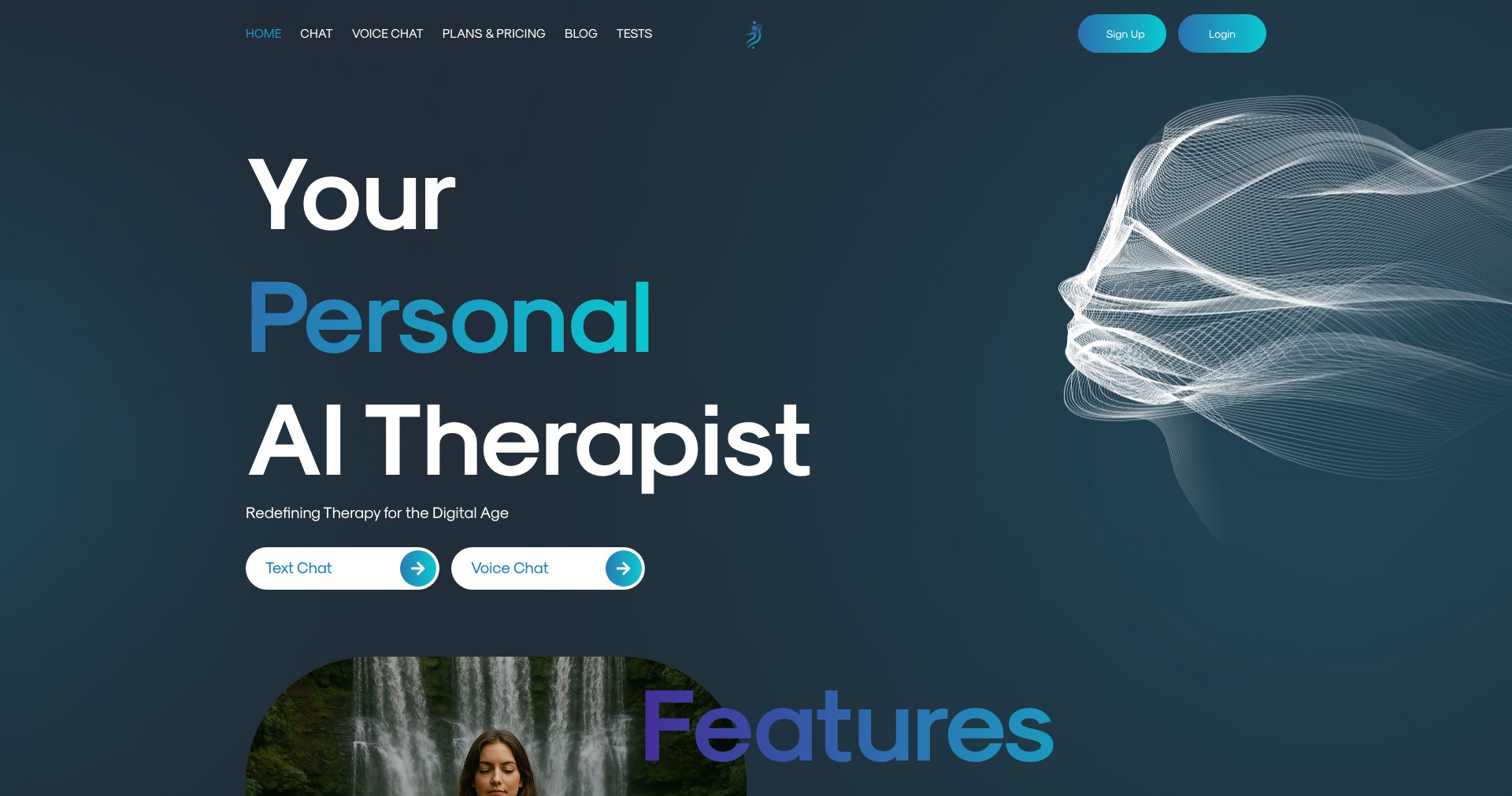
Key Features:
-
24/7 Availability:
AI Therapist is always accessible, allowing users to seek support whenever they need it without waiting for appointments. This round-the-clock availability is especially useful for those with unpredictable schedules or in urgent need. -
Emotion Recognition:
Using advanced natural language processing, AI Therapist can detect emotional cues within conversations, adjusting its responses to provide more personalized and empathetic support. -
Goal-Oriented Guidance:
The tool helps users set personal mental health goals and provides structured conversation flows that encourage positive behavioral change and self-reflection. -
Session Privacy and Security:
All conversations are kept confidential and protected by strong data security measures, ensuring users can share honestly without fear of their information being disclosed. -
Progress Tracking:
Users can view trends in their mood and therapy conversations over time, helping them identify growth, setbacks, and recurring thought patterns.
What makes AI Therapist unique?
AI Therapist stands out in the crowded digital mental health space by offering a genuinely conversational, therapeutic experience that closely mirrors the feel of a session with a human therapist. Its continuous feedback loop and emotion recognition technology ensure that each user feels heard, supported, and guided appropriately, even in high-stress moments.
Unlike many generic chatbots, AI Therapist is tailored specifically for emotional and mental health support. Its security features and privacy-first approach foster trust, while its progress-tracking capabilities offer tangible insights that many competing apps do not provide.
Pros and Cons
Who is using AI Therapist?
Individuals Seeking Affordable Therapy: Those unable to access in-person or traditional online therapy due to financial, geographical, or scheduling barriers can benefit from AI Therapist's low cost and high accessibility.
Busy Professionals and Students: People with tight schedules or unpredictable daily routines can take advantage of the app's 24/7 access, which allows flexible therapy sessions whenever free time arises.
Users Looking for Privacy and Discretion: Individuals who are hesitant to discuss mental health with human therapists—due to stigma or discomfort—will appreciate the confidentiality and anonymity provided.
Evolution and Enhancements
Since its launch, AI Therapist has undergone major upgrades in its language processing models, resulting in more natural, relatable, and context-aware conversations for users.
Recent updates introduced robust mood tracking and analytics features, enabling users to better monitor their emotional trends and therapy progression.
Security enhancements and compliance with new privacy regulations have further strengthened user trust and widened adoption.
Pricing
| Plan | Price | About |
| Freemium | Free | Provides basic therapeutic conversations and essential features at no cost. |
| Subscription | $14.99/month | Unlocks advanced features, such as unlimited sessions, detailed analytics, and personalized guidance. |
Verdict
AI Therapist is a thoughtfully designed digital solution bridging the gap between mental health needs and accessibility. It is particularly well-suited for individuals who may not be able or willing to engage with traditional therapy due to cost, privacy, or logistical reasons.
While it cannot replace professional care in all circumstances, especially for clinical or severe cases, its approachable interface, smart technology, and robust privacy make it an excellent supplementary or entry-level tool for mental wellbeing.


