bugfree.ai
Last updated: June 16, 2026
What is bugfree.ai?
Bugfree.ai is an intelligent debugging assistant aimed at modern development teams who want to catch bugs early and maintain high code standards. Leveraging the power of AI, it seamlessly integrates with popular development environments to provide real-time code analysis, quick bug detection, and actionable suggestions.
By automating tedious bug-hunting tasks, bugfree.ai empowers developers and QA professionals to focus on building features rather than fixing errors. It supports multiple programming languages and is especially useful for both small startups and larger organizations looking for scalable code quality solutions.
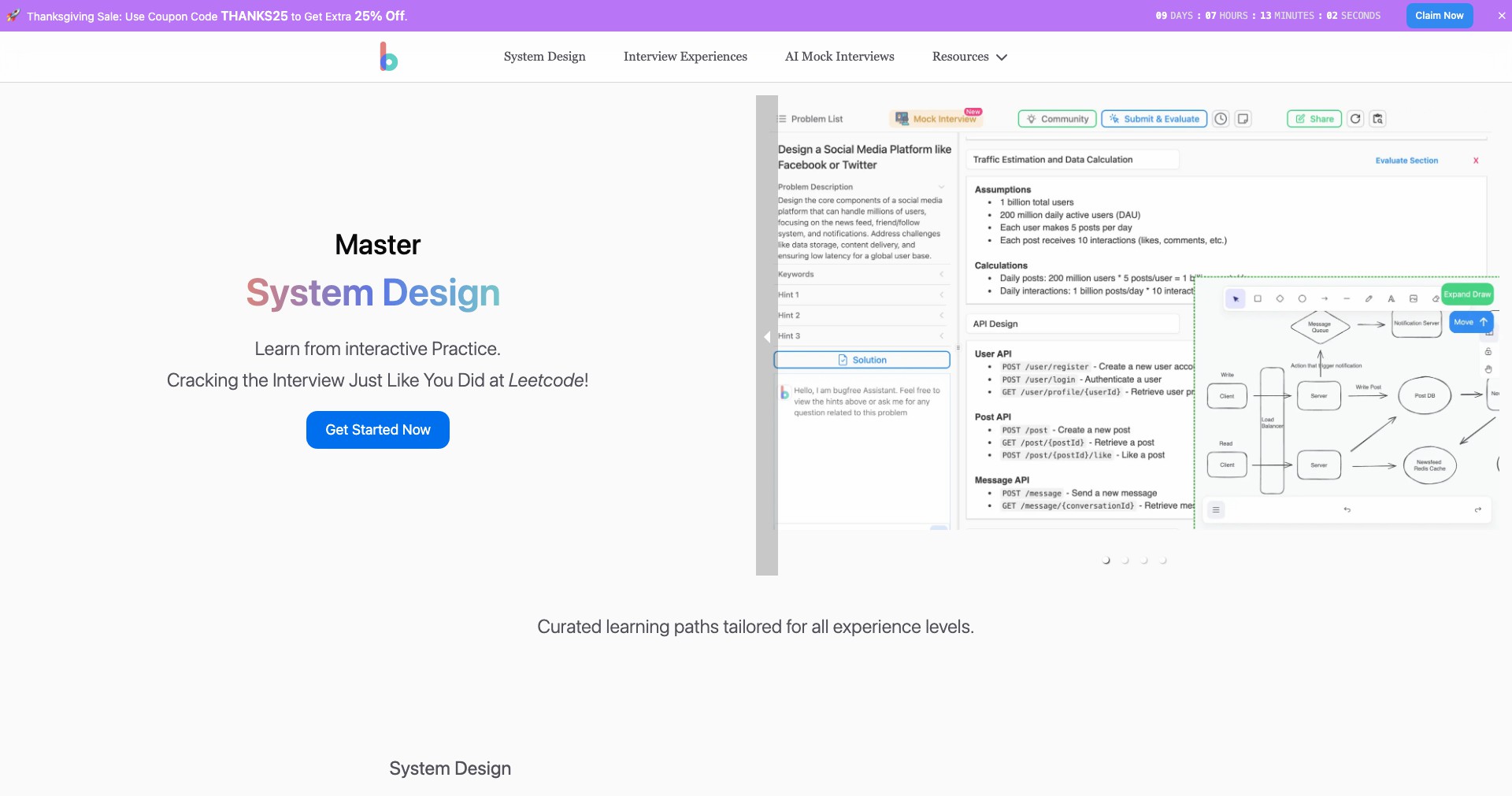
Key Features:
-
AI-Powered Code Analysis:
Harnesses machine learning to analyze codebases, detecting a wide range of error types and highlighting potential bugs before they make it to production. -
Real-Time Feedback:
Provides instant, in-editor suggestions and diagnostics as code is written or modified, thus reducing turnaround time in the development cycle. -
Automated Bug Fix Suggestions:
Recommends context-aware fixes, enabling developers to resolve issues with a single click or further customize suggestions as needed. -
Cross-Language Support:
Supports multiple popular programming languages, making it a universal tool for polyglot teams and diverse projects. -
Seamless IDE Integration:
Integrates effortlessly with major IDEs like VS Code, JetBrains, and more, ensuring workflow continuity and minimal setup. -
Collaborative Reporting:
Automatically generates bug reports and shares them within teams, enhancing collaboration between developers, QA, and project leads.
What makes bugfree.ai unique?
What sets bugfree.ai apart from competitors is its cutting-edge machine learning models that continuously learn and adapt from the latest coding patterns and real-world repositories. This persistent evolution ensures the tool is always updated on new kinds of errors and optimized solutions, giving users an edge over static rule-based analysis tools.
Additionally, bugfree.ai’s one-click fix functionality and in-depth contextual explanations make it not just a tool for bug detection, but also for education and upskilling developers. It transforms error-prone code into high-quality, maintainable solutions, while facilitating team communication through collaborative reporting.
Pros and Cons
Who is using bugfree.ai?
Software Developers: Developers benefit by receiving instant feedback and fix suggestions, which expedites their development process and helps them avoid introducing bugs.
QA Engineers: Quality Assurance professionals can use bugfree.ai to automate early bug detection, allowing them to focus on edge cases and broader testing strategies.
DevOps & Tech Leads: Technical leads and DevOps engineers leverage collaborative reporting and analytics to track issues, enforce coding standards, and maintain healthy codebases across teams.
Product Evolution
Since its launch, bugfree.ai has rapidly evolved from a simple static code analyzer to a sophisticated AI-powered assistant adept at detecting complex software bugs.
Significant updates have included support for more programming languages, integration with additional IDEs, and enhanced collaborative features to support larger teams and workflows.
Ongoing improvements to the AI models ensure higher accuracy and fewer false positives, and the user interface has been refined for smoother onboarding and accessibility for new users.
Pricing
| Plan | Price | About |
| Free Trial | $0 | Allows users to try bugfree.ai with full feature access for a limited period. |
| Standard Subscription | $25/month per user | Monthly plan suitable for small to medium-sized teams with unlimited code analysis. |
| Enterprise Plan | Custom Pricing | Custom solutions and premium support for larger organizations. |
Verdict
Bugfree.ai is a powerful ally for any modern development team striving for robust, error-free software. Its integration of AI-powered analysis, real-time feedback, and automated fixes streamlines the entire debugging process, empowering developers and QA engineers to deliver quality code at greater speed.
While the tool may not catch every obscure bug and might pose a slight learning curve, its feature set and continuous evolution make it highly valuable for teams seeking efficient, collaborative code quality solutions. Budget-conscious users may need to weigh its cost, but the productivity gains it offers can quickly justify the investment for many organizations.


