SDK vercel
Last updated: June 16, 2026
What is SDK vercel?
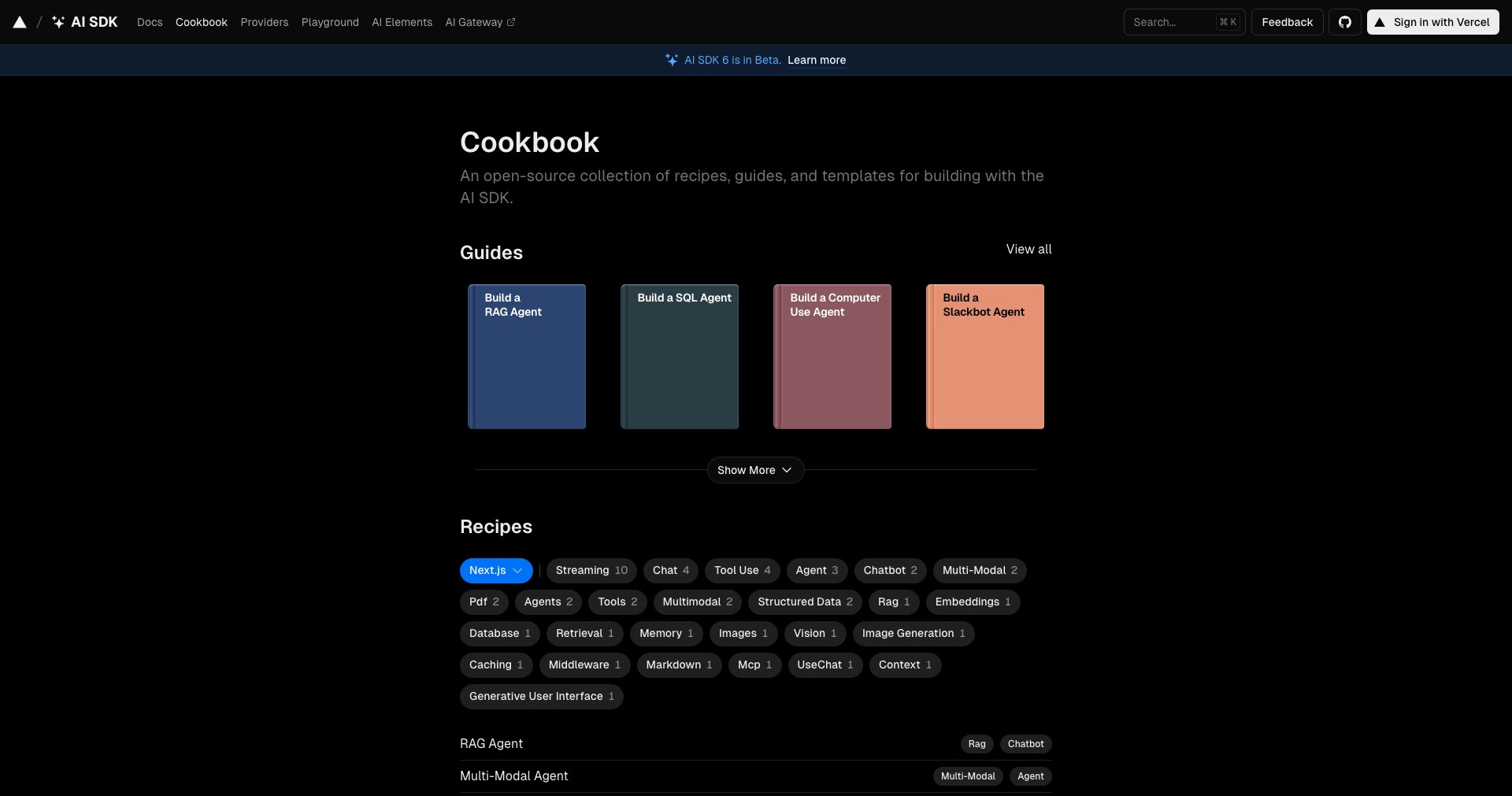
SDK (Software Development Kit) by Vercel is a modern toolkit designed to empower frontend and full-stack developers to build high-performance applications that leverage Vercel’s edge infrastructure. With the popularity of edge functions and AI-driven experiences on the rise, Vercel SDK offers a streamlined developer experience, deep integration with Vercel’s deployments, and best-in-class edge computing support.
By abstracting away repetitive patterns and providing standardized components, the SDK enables teams to focus on business logic and creative features, instead of wrestling with infrastructure setup. Whether building AI chat interfaces, serverless APIs, or edge-rendered UIs, Vercel SDK provides the building blocks needed for rapid, scalable, and reliable application delivery.
Key Features:
-
Deep Vercel Integration:
The SDK is tightly integrated with the Vercel platform, allowing for effortless deployment of serverless functions and static assets with edge support. This ensures deployments are fast and optimized for Vercel's global CDN. -
Edge and AI Ready:
Designed with edge-first and AI-first use cases in mind, allowing developers to quickly add AI chat, form handling, or transactional APIs that run at the edge for minimal latency and maximum scalability. -
Unified Routing and Middleware:
Simplifies advanced routing and middleware patterns, enabling developers to set up authentication, API endpoints, and rewrite rules with minimal configuration and maximum flexibility. -
TypeScript Support and DX:
Offers first-class TypeScript definitions, auto-completion, and documentation that accelerates developer productivity and reduces bugs at compile time. -
Open Source and Extensible:
The SDK is open-source, allowing the community to contribute, audit, and extend its functionality. Its modular design helps teams integrate only the parts they need.
What makes SDK vercel unique?
What sets the SDK by Vercel apart is its native integration with Vercel’s edge and AI services. Unlike stand-alone frameworks or toolkits, the SDK takes full advantage of Vercel’s global infrastructure, making edge-first and AI-enhanced applications a seamless process rather than an afterthought.
Furthermore, the developer experience is prioritized, with zero-config options, type safety, and intelligent defaults that allow even small teams to build complex, scalable applications in record time. Its open-source philosophy and modular approach ensure that it remains adaptable as new web technologies emerge.
Pros and Cons
Who is using SDK vercel?
Frontend Developers: Ideal for developers building modern, interactive web applications who want fast deployments and seamless edge support. The SDK abstracts infrastructure so they can focus on product features.
AI Product Teams: For teams creating AI-driven chatbots, recommendation engines, or intelligent UIs, the SDK’s AI-ready components and edge optimization reduce developmental overhead.
Startups and Agencies: Perfect for small teams or agencies needing to ship MVPs or client projects quickly, thanks to the packaged best practices, scalability, and speed of iterations.
Evolving with the Edge
At launch, the SDK focused on basic scaffolding and seamless deployment to Vercel's infrastructure, making it easy for teams to quickly set up new projects.
Over time, major updates have included deeper TypeScript integration, expanded middleware options, and built-in AI functionality, keeping pace with trends in edge and serverless computing.
The open-source nature has allowed the community to suggest and implement features, ensuring the SDK remains at the cutting edge of developer needs and web platform trends.
Pricing
| Plan | Price | About |
| Free | $0 | The SDK itself is open-source and free to use, subject to Vercel platform pricing for deployments. |
Verdict
SDK by Vercel excels as a developer-focused toolkit for building next-gen, edge-optimized, and AI-powered web applications, especially for teams already within the Vercel ecosystem. Its strength lies in taking away infrastructure burdens and empowering rapid prototyping and scaling.
While integration is most seamless when paired with Vercel’s hosting and deployment solutions, those looking for open-source, TypeScript-first, and AI-ready SDKs will find it robust and adaptable. For anyone prioritizing speed, scalability, and the latest web standards, it’s a top contender.


