Data-hungry bot swarms target university libraries and crash their websites
Meanwhile, tech companies scrape and destroy rare books.
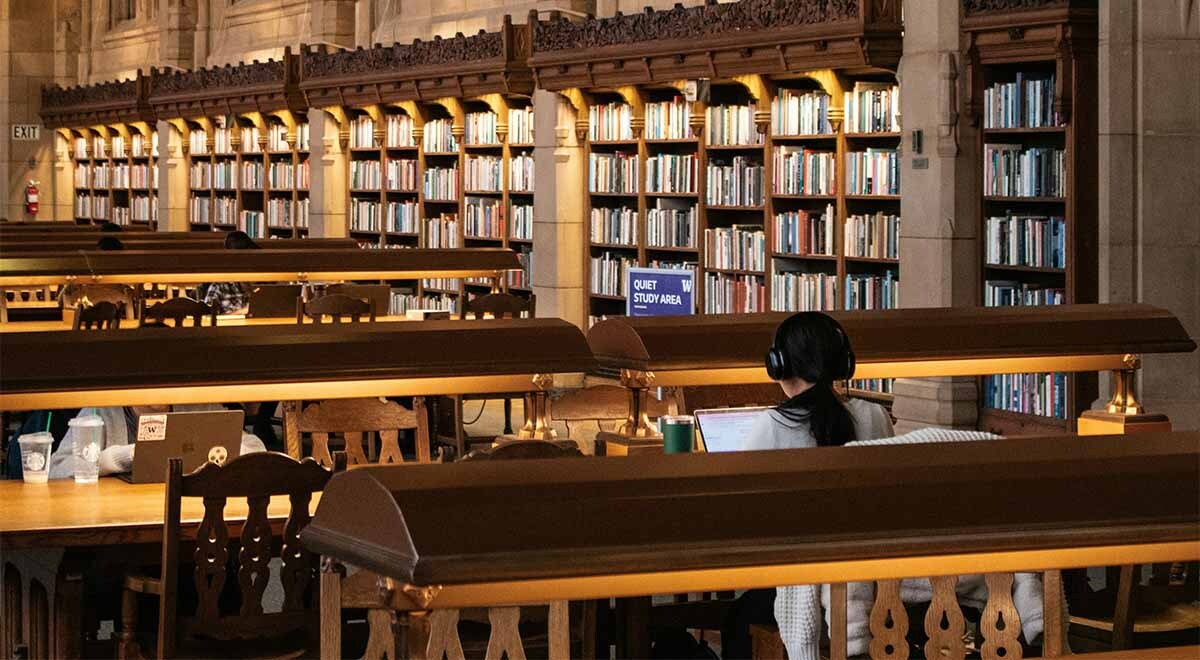
Image by Zoshua Colah via Unsplash

 Follow us
- University libraries say data-scraping bots overwhelm websites while collecting open archives for AI training.
- Marmot reported more than 2 billion bot connection attempts in one 30-day period.
- Some bots test library card numbers, then check out and scrape as much content as possible.
- Reports say AI companies also scan physical books, sometimes destroying rare copies after digitizing them.
Key Takeaways by nexos.ai, reviewed by Cybernews staff.
Universities struggle to stave off swarms of data-scraping bots, which they say grab “as much material as they can” to feed into large language models (LLMs).
Academic libraries, along with museums and other cultural heritage institutions, are increasingly targeted by bots that retrieve data from their websites to train LLMs, CBC News reports.
Bots are trying to access libraries’ archives of academic, historical, and government documents that aren’t behind paywalls or require logins. Such overwhelming bot traffic forces websites offline.
Jill Strykowski, a cataloging and government documents lead at San Jose State University, described bot behavior as “bombarding,” saying they try to “grab up as much material as possible.”





She called bots a “headache” for institutions that provide open access to digitized work.


Stay updated with our latest stories and follow us on social media
Be the first to discover new stories, ideas, and updates from our team.
Marmot, a nonprofit consortium of academic, public, and school libraries across Colorado, told Littleton Independent that bots slow service and occasionally cause outages.
Earlier in 2026, the system was seeing around 6 million bot connection attempts every 24 hours, totaling 180 million attempts in 30 days. The number now skyrocketed to over 2 billion attempts in a 30-day period.
Rachel Fewell, a director at Englewood Public Library, said that bots are testing the system to see if they can access a working library card number. If successful, bots “max out everything they can check out and scrape the content,” according to Littleton Independent.
Physical books are destroyed after being copied
AI and third-party companies use bots to scrape entire websites for data, which is then often fed to LLMs like ChatGPT and Claude.
These companies also scrape physical books, and unlike digital data, they leave paper copies destroyed.
The 404 Media journalists slipped an AirTag into a shipment of rare books and tracked it to Amazon’s AI training facility in Las Vegas, Nevada, where books are reportedly torn apart before scanning.
Anthropic reportedly cut millions of books from their bindings for easier scanning, and discarded them after making their digital copies.