Meta sued over using “perv glasses” recordings to feed its AI
Meta disputes the allegations, saying it will fight them in court.
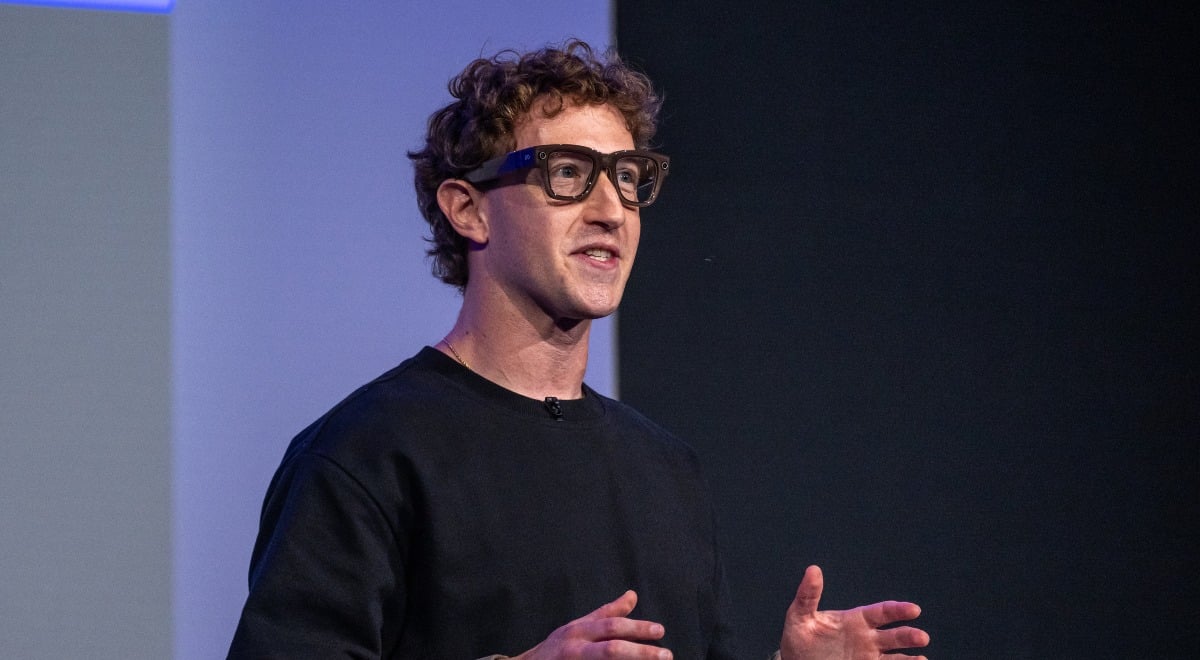
Mark Zuckerberg. Image by David Paul Morris/Bloomberg via Getty Images

 Follow us
- An amended lawsuit says Meta Glasses recorded bystanders without notice and used footage to train AI systems.
- The complaint says contractors overseas reviewed footage that included highly private moments and sensitive information.
- Meta denies the allegations and says it filters data to remove identifying information and protect privacy.
- The case is ongoing, alongside a separate Illinois lawsuit over images used for facial recognition and generative AI.
Key Takeaways by nexos.ai, reviewed by Cybernews staff.
Meta is facing expanded allegations that its AI-powered Meta Glasses captured footage of bystanders without their consent and that the footage was later used to train its AI systems.
The original lawsuit, filed in federal court in California in March, alleged that Meta transferred footage captured by its AI glasses to third-party human contractors for review and analysis despite Meta marketing the glasses as privacy-friendly.
“This is particularly concerning given that these Glasses accompany users throughout their daily routines – in their homes, bathrooms, bedrooms, and other private spaces, capturing deeply private moments: changing clothes, using the toilet, engaging in sexual activity, caring for children, and more,” the lawsuit said.
The lawsuit added that such a transfer was unexpected to reasonable consumers, and that transferring personal footage to third-party contractors overseas could create numerous risks, including harassment, blackmail, or public dissemination. Additionally, it alleged that when users activate AI features, imagery and audio can be transmitted to Meta's servers for analysis and ultimately used to train its AI models.






On August 31st, an amended complaint extended the allegations beyond those who have purchased the glasses to include ordinary bystanders who were recorded without their knowledge.
"Even if a bystander notices the Glasses and agrees to be recorded, he or she cannot have consented to the mass amalgamation of their data when the Glasses are in AI mode," the amended complaint said, "including visual recordings that are collected, stored, exploited, and visually inspected by persons overseas, because Defendants have made no effort to disclose these practices to bystanders or to seek their consent."
Earlier in August, a German advocacy group filed a similar criminal complaint alleging that Meta’s AI glasses violate privacy laws by recording bystanders without their knowledge.
The original allegations stem from a February 2026 investigation by Swedish newspapers Svenska Dagbladet and Göteborgs-Posten, which interviewed workers from Sama, a Kenya-based company that performed data-annotation work for Meta.
The workers shared that they were asked to review footage that allegedly included people changing clothes, going to the bathroom, engaging in intimate activity, and displaying financial or other sensitive information.
Meta disputes the allegations, telling Fortune: "We disagree with these allegations and will fight them. Our glasses help you use AI hands free to answer questions about the world around you. If you use Meta AI, we may review that data to help improve our products and people's experiences—this works the same way as many other companies."
The spokesperson added that the company takes "steps to filter this data to help remove identifying information and to protect people's privacy."



Stay updated with our latest stories and follow us on social media
Be the first to discover new stories, ideas, and updates from our team.
The case remains ongoing.
On September 4th, Meta was hit by a separate proposed class action in Illinois, which accused the company of using Facebook and Instagram users' images without consent to train and implement its NameTag facial-recognition features and to train generative AI models, including Emu, CM3leon, Chameleon, and Muse Image.