OccupySaaS: laid-off engineers use AI to build open-source alternatives to everything
Open-source clones of Auth0 and Salesforce are in the making
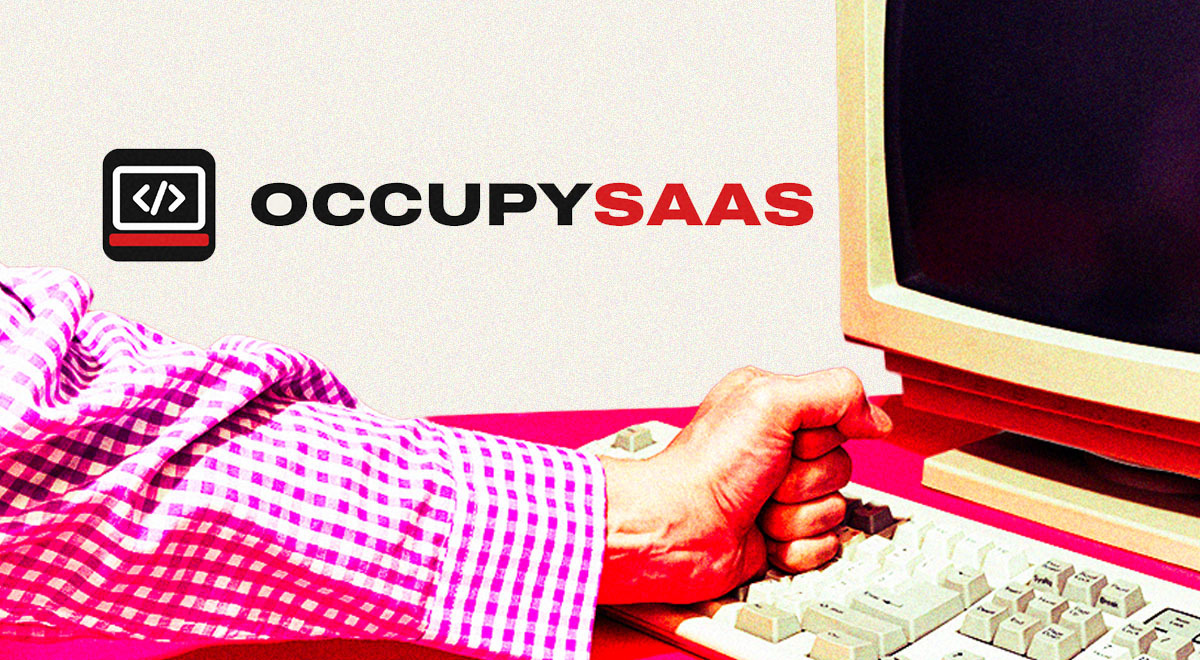
Image by Getty Images For Unsplash+/Screenshot from OccupySaaS website

 Follow us
- OccupySaaS is a US-based collective of laid-off engineers building open-source replacements for proprietary software.
- It has released early versions of ZeroAuthy and Salescompel, targeting Auth0 and Salesforce.
- The group says AI helps small teams turn public specifications into code faster.
- Experts say open-source clones may cut subscription costs, but maintenance and support remain major challenges.
Key Takeaways by nexos.ai, reviewed by Cybernews staff.
Experts say increasing AI use could spur an open-source software boom, but maintaining it may come at a cost.
The OccupySaaS collective introduces itself as a protest movement uniting laid-off engineers who are building “clean-room, open-source, drop-in replacements” for the commonly used proprietary software.
The group, which says it is US-based and has no public members on its GitHub profile, invites other engineers to join the movement. However, it warns that newcomers can’t use confidential knowledge from a former employer.
“We don’t leak, decompile or copy anyone’s code. Every project is rebuilt from public documentation and open standards, with AI doing the heavy lifting on the build side of a strict firewall – then proven compatible against the vendors’ own public SDK,” its website says.







Stay updated with our latest stories and follow us on social media
Be the first to discover new stories, ideas, and updates from our team.
The collective draws on the Occupy Wall Street movement, which began in 2011 and turned into a weeks-long sit-in protest in New York City’s Financial District against income inequality and corporate corruption.
Inspired by recent years’ mass layoffs in the tech sector, the engineers use the “We are the 99%” logo from 2011, which refers to wealth concentration in the hands of a few.
OccupySaaS borrows that spirit and swaps tents for terminals. No marches, no property damage – just working software, published under an open license, that anyone can run,The OccupySaaS collective
Two projects released in early versions
To this day, the OccupySaaS collective has released early versions of 2 projects that are not yet fully functional but promise an escape from costly subscriptions.
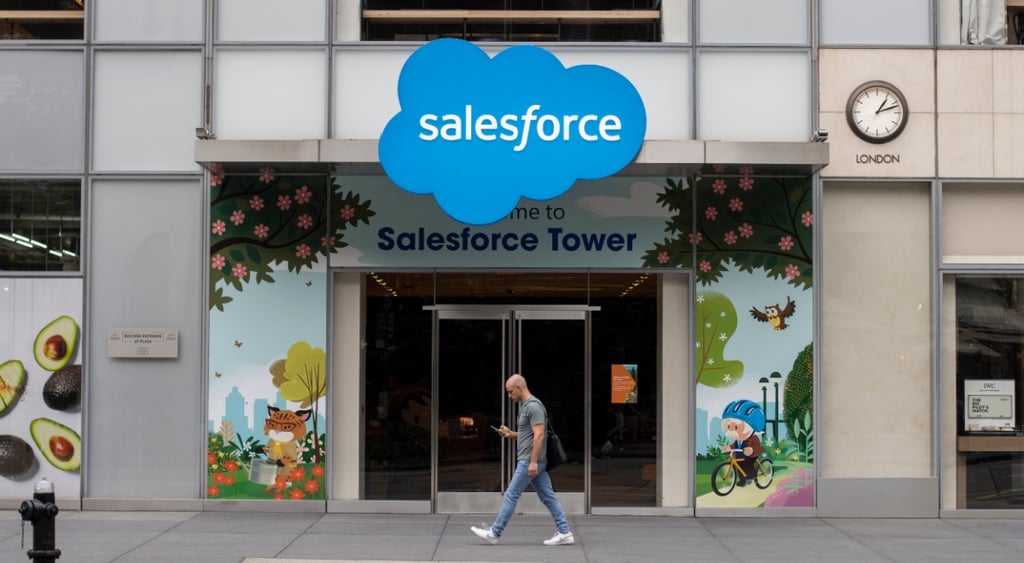
ZeroAuthy is a clone of Auth0, an identity-as-a-service platform owned by San Francisco-based Okta Inc. Meanwhile, Salescompel is marketed as an alternative to a popular customer relationship management (CRM) platform, Salesforce.
The collective says it is open to discussions about alternatives to proprietary software across multiple categories, including documents, issue tracking, and customer support.
Engineers justify their AI use for software building by saying that AI agents allow “a small group to turn a precise specification into working code quickly.” However, humans write specifications, review every change, and own the result, they add.
AI boosts open-source, but there’s a catch
As subscription-based software has become the industry standard in recent decades, users are increasingly disgruntled with rising costs – 57% of Americans believe they are overpaying, according to a 2025 survey.
Unsurprisingly, the OccupySaaS engineers aren’t the only ones turning to AI in hope of breaking the shackles of subscriptions.
Developer Brandon Thomas recently released free, open-source alternatives to Adobe’s entire suite, including Photoshop, Illustrator, and InDesign, which he created with the help of Claude Opus 5.5. He said the project was born of frustration with Adobe’s cancellation fee.
Amjad Masad, the CEO of Replit, a cloud-based platform for writing software, then predicted that AI-powered reverse engineering and decompilation would soon make all software “de facto open source.”
Daniel Burrus, a founder and CEO of the consulting firm Burrus Research, says AI can accelerate open-source software development by helping small teams write, test, and document software more quickly, giving experienced developers greater ability to build alternatives to established products.
“The competitive pressure could extend beyond price, pushing software companies to earn loyalty through better service, reliability and results,” he tells Cybernews.
Open source has always benefited from the idea of “many eyes” reviewing code, and AI comes as extra eyes, according to Dave Wreski, founder and CEO of Guardian Digital, a company offering business cloud email security services.
He says that open-source software, such as the Linux operating system, has already proven it can replace extremely complex proprietary systems.
However, that challenge lies in maintaining the software over the long term and ensuring its security, reliability, and compatibility.
When companies pay for proprietary software, they aren’t only paying for the code. They’re also paying for support, documentation, updates, integrations, and some level of accountability when something goes wrong,Dave Wreski, founder and CEO of Guardian Digital
Nevertheless, interest in open source appears to be growing.
A 2026 survey of open-source software users in more than a dozen industries worldwide found that 50% increased or significantly increased the use of open-source software over the last year.
Open source adoption is driven primarily by concerns about vendor lock-in, particularly in the EU and the UK, where the push for digital autonomy is gaining traction.
However, replacing proprietary software with an open-source clone may require comparing the full cost and responsibility of running the alternative, according to Burrus.
He says, “Eliminating a subscription does not eliminate the work required to keep the business running.”