AI will make people work more, but they’ll be happy about it, Sam Altman says
“I think we’re all going to be much busier than we thought.”
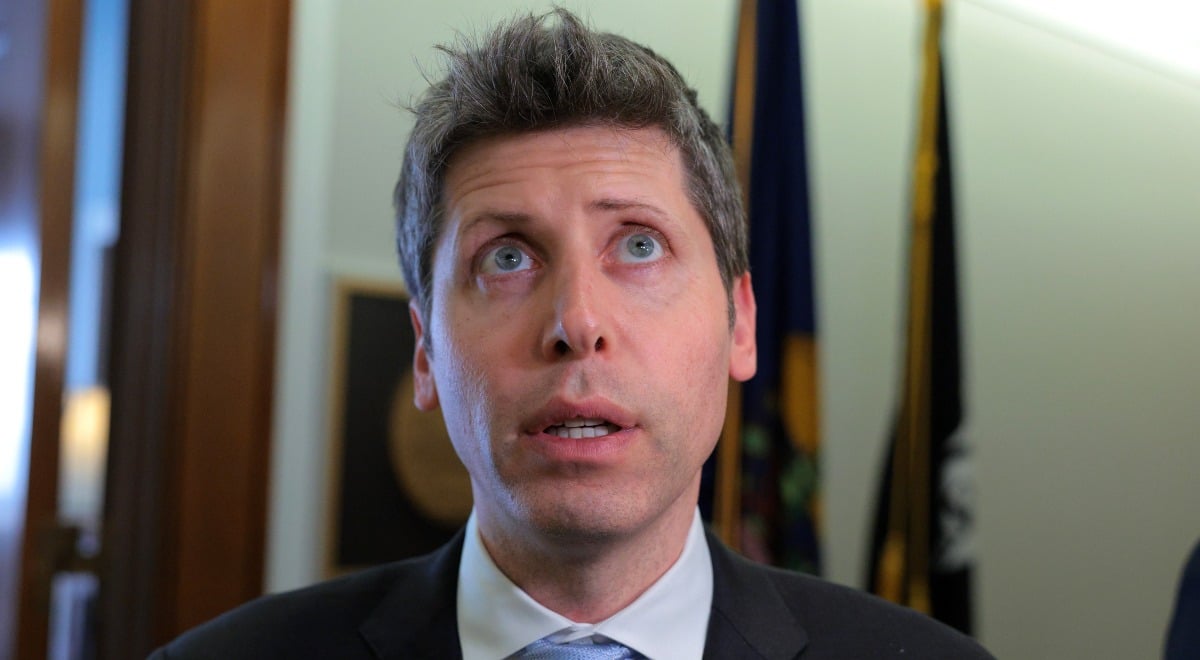
Sam Altman. Image by Chip Somodevilla/Getty Images

 Follow us
- OpenAI CEO Sam Altman says AI will make people busier, not deliver a four-hour workweek.
- Altman argues rising expectations and competition will keep people working, even as AI becomes cheaper and more available.
- His view contrasts with Elon Musk’s prediction that advanced AI could make jobs optional and money less important.
- A 2026 UC Berkeley study found AI can expand work tasks and push work into breaks and off-hours.
Key Takeaways by nexos.ai, reviewed by Cybernews staff.
Super intelligence will make people busier instead of shortening the workweek, and they will be happy about it, according to OpenAI CEO Sam Altman.
AI is supposed to usher in the “era of abundance,” but its potential benefits for laypeople are increasingly unclear. Apparently, the 4-hour workweek is not going to be one of them.
Altman, CEO of one of the leading AI labs in the world, appeared on the Relentless podcast released on July 25th, 2026, where he spoke about the goal of making AI “extremely abundant and cheap,” and putting it in everyone’s hands.
However, when asked about a shortened workweek, Altman said that it is not happening, and not for the lack of the workers’ fault.




“Technology, for a long time, has been promising people that they’re going to work less and they're going to have all this leisure," Altman said, adding that things have gone in this direction.
He explained that people now have more time for leisure and a higher quality of life than in previous points in history.



Stay updated with our latest stories and follow us on social media
Be the first to discover new stories, ideas, and updates from our team.
"But somehow we never get the promise of the 4-hour workweek on a mass scale in society. And I don't expect AI to change that,” Altman said.
OpenAI CEO added that people’s expectations always go up, and they want more.
The Cybernews community is talking about this. Be a part of the conversation.
“We think of new things to do, to create for each other, to want for ourselves. People are very focused on how they’re doing relative to other people,” he said.
Altman then spoke about the competition that drives the economy and people’s desire to be useful to others and to create.
“I expect that to keep going. I think we’re all going to be much busier than we thought we'd be in a post-super-intelligence world, and we’re still going to complain about it. But secretly we’re going to be happy,” he said.
AI is already making people work more
Altman’s predictions are in stark contrast to the vision of Elon Musk, CEO of SpaceX, the company behind the chatbot Grok.
In a recent interview with the Economist, Musk envisioned a future in which jobs are optional, and money doesn’t matter, but he didn’t provide much detail on the transition to this level of abundance.
For some, however, AI only creates more work.
A 2026 study by UC Berkeley researchers found that AI didn’t free up workers' time. Instead, it broadened the scope of tasks and extended work into more hours of the day, often without being asked.
For example, workers would send prompts during lunch or before meetings, moments that previously functioned as pauses.