Von der Leyen urges tech firms to do more to protect children from AI risks
She believes platforms should bear more responsibility.
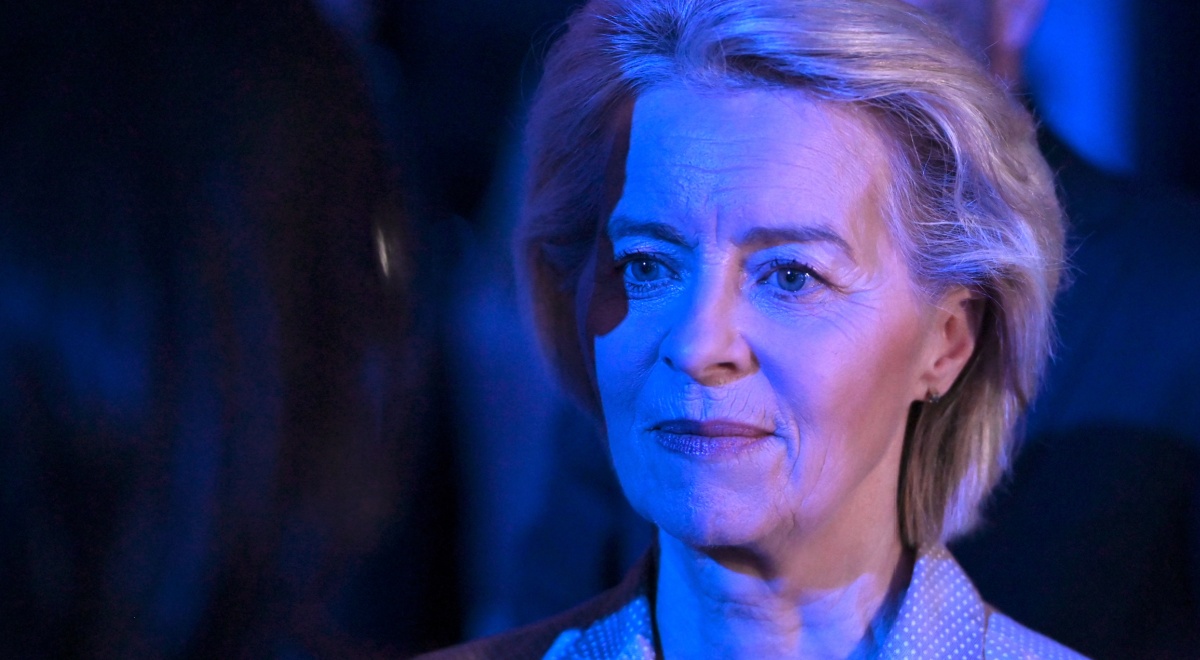
Ursula von der Leyen, President of the European Commission. M. Lenhardt/picture alliance/Getty.

 Follow us
- Von der Leyen said tech platforms should bear more responsibility for protecting children as AI and algorithms spread.
- The proposed EU Kids Act would ban social media for under-13s and limit accounts for children under 15.
- Meta agreed to a $16.7 billion settlement and promised new limits for teenage Facebook and Instagram users.
- EU officials warn that AI can expose teenagers to harmful content, sexual blackmail, anxiety, and sleep loss.
Key Takeaways by nexos.ai, reviewed by Cybernews staff.
The European Union is calling for additional safeguards to protect children’s rights as AI becomes a bigger part of their lives.
Speaking at a high-level dialogue on children’s rights and artificial intelligence at the United Nations General Assembly in New York on Tuesday, European Commission President Ursula von der Leyen emphasized that children must be protected as technology advances.
“Our children are engaging with some of the most sophisticated technology ever created. And it was not created with children’s well-being or development in mind. Platforms are designed to capture attention. The goal is to keep the children online and monetize their attention,” Von der Leyen said in her speech.
The President of the European Commission referred to the recent Meta settlement, in which the company agreed to pay $16.7 billion to resolve claims about poisoning children, misleading consumers about their safety, and improperly collecting personal data of children.





Meta also promised to implement changes for teenage users of Facebook and Instagram worldwide, including daily usage limits and nighttime blocks.
“Meta is admitting to not having protected children enough. They created the algorithm. So it is absolutely time for us to act,”Von der Leyen continued her speech.
Last week, the European Commission launched the EU Kids Act, a proposal to ban children under 13 from social media platforms. The core of the proposal is to gradually give teenagers more freedom to explore and use social media platforms as they grow older.
This would mean no social media for under-13s and no personal accounts for children under 15 – only supervised mini accounts with limited features and time restrictions. Between 15 and 18, safe design will be mandatory for platforms.
The Cybernews community is talking about this. Be a part of the conversation.
Furthermore, tech companies should be able to prove their platforms are safe for children.
“If this is not the case, they do not get access to our children. It is not a question of whether children can access social media – it is a question of how and when we allow social media to access our children,” Von der Leyen concluded her speech.



Stay updated with our latest stories and follow us on social media
Be the first to discover new stories, ideas, and updates from our team.
The EU’s concerns extend beyond social media. The executive branch of the EU has previously highlighted the risks AI technology can bring to the world of teenagers, such as harmful content, sleep deprivation, anxiety, sextortion, depression, and even suicide.
In recent months, President Von der Leyen has argued that the responsibility for the potential risks of AI technology and harmful algorithms should fall on tech companies rather than parents and children.