Best running watches in 2026
Being behind major reports like The Mother of All Breaches and RockYou2024, our in-house cybersecurity experts and journalists provide unbiased, real-world testing and in-depth analysis.
We maintain complete transparency by openly sharing our testing methodologies with our audience.
Learn more

Running watches have become essential tools for runners who want to train smarter and more consistently. Beyond tracking distance and pace, modern running watches help structure workouts, monitor recovery, and support long-term progress across different training levels.
In this guide, we focus on the best running watches available on Amazon. Garmin is treated as the gold standard due to its accuracy, depth of training features, and long-term ecosystem support. Alongside Garmin models, we include strong alternatives that have proven themselves in real-world running use.
Best running watches – compared
The table below highlights the key differences between the top running watches to help compare core running-focused features at a glance.
|
|
|
|
|
|
|
|
|
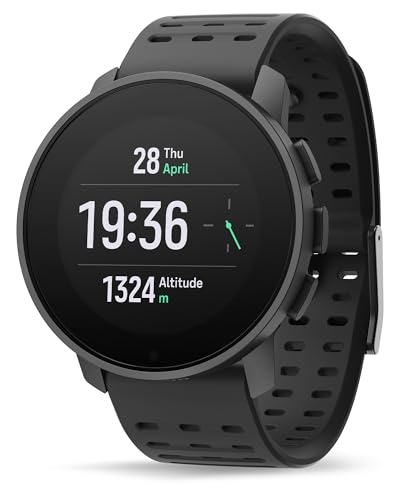
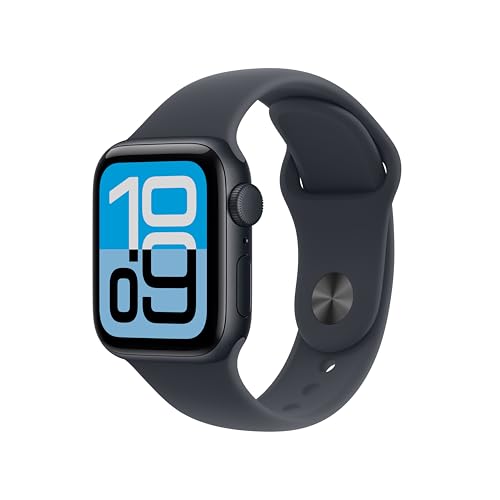
| Title | Garmin Forerunner 265 | Garmin Forerunner 55 | Garmin fenix 7X | COROS PACE 3 | POLAR Pacer Pro | Garmin Venu Sq 2 | Suunto 9 | Apple watch SE |
| Price | $430.89 | $189.00 | $182.78 $349.90 -48% | $198.99 $249.00 -20% | $219.00 $249.00 -12% | |||
| Weight | Lightweight | Very lightweight | Heavy | Very lightweight | Lightweight | Lightweight | Lightweight | Lightweight |
| Battery life | Several days with regular GPS use | Multiple days | Extended endurance modes | Excellent for long runs | Solid endurance | Daily-use endurance | Excellent in endurance modes | Up to 18 hours |
| GPS | Multi-band | Standard | Multi-band | Dual-frequency | High-precision | Standard GPS | Reliable outdoor GPS | Single-band L1 |
| Water resistance | Suitable for rain and sweat | Sweat and rain resistant | Designed for harsh conditions | Suitable for outdoor training | Rain and sweat resistant | Suitable for everyday training | Built for harsh conditions | WR50M |
| Training modes | Structured workouts, race prediction, VO2 max | Pace alerts, suggested workouts | Advanced training and navigation tools | Structured workouts and load tracking | Structured training guidance | Core running metrics | Navigation and endurance tools | App-dependent |
| Recovery tracking | Training readiness and recovery insights | Basic recovery guidance | Advanced recovery metrics | Clear recovery insights | Strong recovery and load analysis | Limited | Basic | App-dependent |
| More info | Buy on Amazon | Buy on Amazon | Buy on Amazon | Buy on Amazon | Buy on Amazon | Buy on Amazon | Buy on Amazon | Buy on Amazon |
8 best running watches – my detailed list
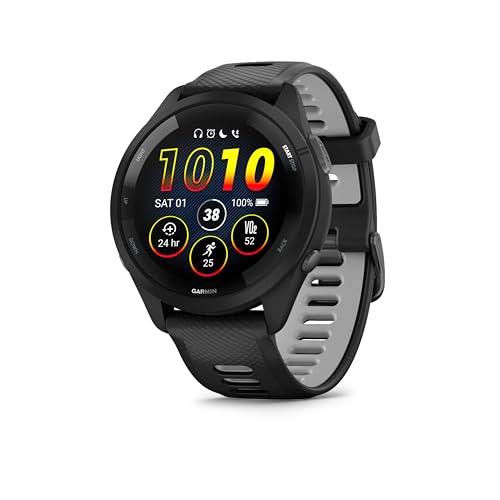
1. Garmin Forerunner 265 – best overall running watch
The Garmin Forerunner 265 offers one of the best balances between advanced training features and everyday usability. It is designed for runners who train frequently and want meaningful feedback without moving to bulky multi-sport watches.
Its GPS accuracy is excellent, and the training ecosystem supports structured plans, adaptive suggestions, and performance tracking over time. This makes it particularly suitable for runners preparing for races or following long-term training programs.
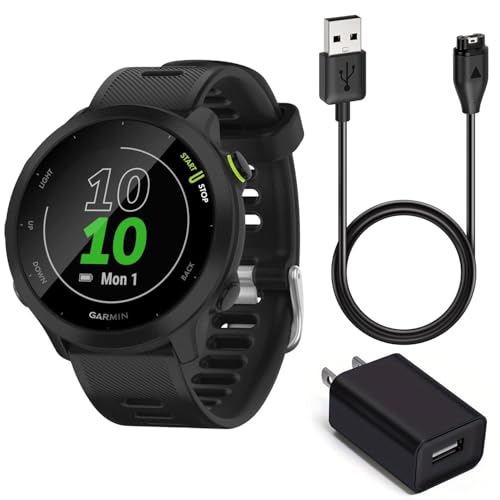
2. Garmin Forerunner 55 – best running watch for beginners
The Garmin Forerunner 55 focuses on simplicity and reliability. It provides accurate GPS tracking and essential running metrics without overwhelming new runners with data.
Daily suggested workouts and recovery time recommendations help beginners build consistency while learning how their body responds to training.
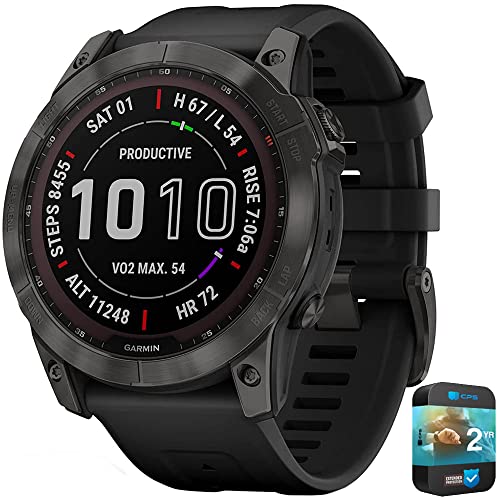
3. Garmin Fenix 7x – best premium running watch
The Garmin Fenix 7 is built for runners who train in demanding environments. It excels in trail running, ultra-distance events, and mixed outdoor activities.
Its robust design and long battery life make it a reliable choice for extended sessions, while advanced navigation features support off-road training.
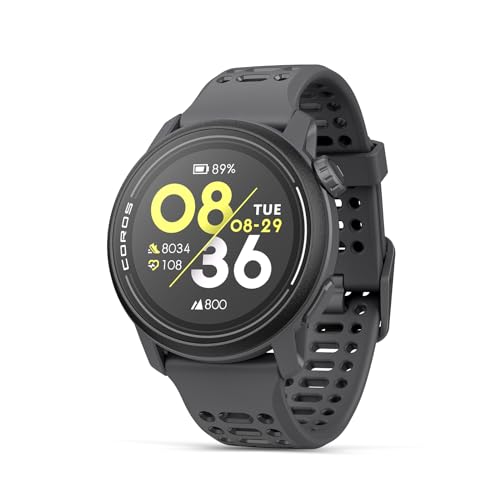
4. Coros Pace 3 – best battery life for long-distance running
The Coros Pace 3 is popular among endurance runners who prioritize battery efficiency and lightweight design. It performs well during high-mileage weeks and long training blocks.
Its training tools focus on running fundamentals, making it a strong alternative to Garmin for endurance-focused athletes.
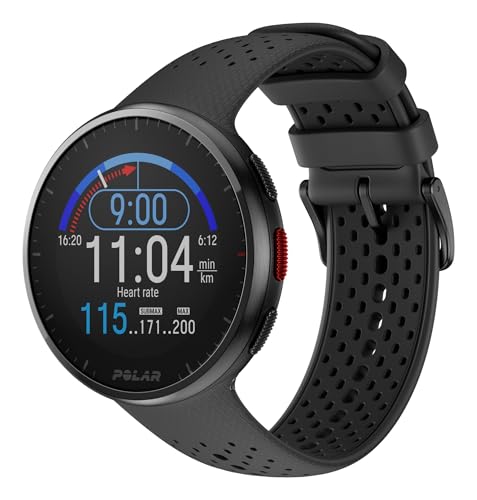
5. Polar Pacer Pro – best running watch for recovery insights
The Polar Pacer Pro emphasizes recovery and balanced training. It provides clear insights into how workouts impact the body, helping runners avoid overtraining.
This makes it especially suitable for runners who want to manage training load carefully while still progressing consistently.
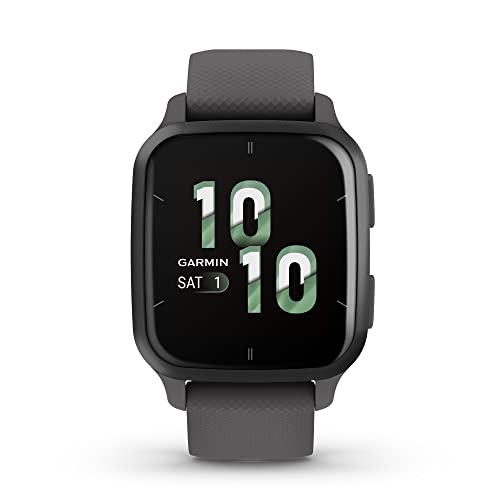
6. Garmin Venu Sq – best casual running watch
The Garmin Venu Sq is designed for runners who want basic running tracking combined with everyday smartwatch comfort. It focuses on simplicity rather than deep performance analytics.
It works well for casual runners who train a few times per week and value ease of use.
7. Suunto 9 Peak – best running watch for outdoor training
The Suunto 9 Peak is built for runners who train outdoors in varied conditions. It prioritizes durability, navigation, and long battery life over detailed analytics.
This makes it a strong option for trail runners and adventure-focused athletes.
8. Apple Watch SE – best for Apple users
The Apple Watch SE is best suited for runners already invested in the Apple ecosystem. It offers accurate GPS tracking and flexible app support.
However, it is more appropriate for casual running rather than high-volume or endurance-focused training.
How did we select the best running watches?
Together with the Cybernews research team, we evaluated running watches using criteria that directly affect real-world running performance and long-term training consistency.
We focused primarily on GPS accuracy, as pace and distance reliability form the foundation of any structured running plan. Watches with unstable tracking or inconsistent pace reporting were deprioritized.
Next, we assessed training features, including structured workouts, performance metrics, and progression tools that help runners improve over time rather than simply log activities. Recovery-related insights were evaluated separately to understand how well each watch supports sustainable training.
Battery life played a key role, especially for runners training multiple times per week, preparing for marathons, or running on trails. We prioritized models that could handle repeated GPS sessions without frequent charging.
Finally, we considered comfort, durability, and ecosystem support, including how easy it is to analyze data in the companion app and how consistently the brand supports its devices through software updates.
This approach allowed us to highlight running watches that support long-term improvement, not just short-term convenience.
Running watch vs smartwatch
While running watches and smartwatches may look similar, they are designed with different priorities in mind.
Running watches focus on training accuracy and endurance. They emphasize reliable GPS tracking, longer battery life, and metrics that help runners structure workouts, manage training load, and recover properly. These devices are built to perform consistently during repetitive, high-impact use.
Smartwatches, on the other hand, prioritize everyday convenience. They offer messaging, apps, and lifestyle features but often compromise on battery life and depth of running analytics. For casual runners, this may be sufficient, but runners who train regularly may find the limitations frustrating.
For runners who value progress, consistency, and performance insights, a dedicated running watch is usually the better long-term choice.
What to look for when choosing a running watch
Choosing the right running watch depends on training goals, experience level, and how often you run.
- GPS accuracy and consistency. Reliable pace and distance tracking is essential for interval training, tempo runs, and race preparation
- Battery life. Runners training frequently or preparing for long distances need a watch that can handle repeated GPS sessions
- Training and recovery tools. Features like structured workouts, load tracking, and recovery insights help balance progress and rest
- Comfort and fit. A running watch should remain comfortable during long runs and daily wear
- Ecosystem and software support. Clear data presentation and regular updates improve long-term usability
Focusing on these elements helps avoid paying for features that look impressive but add little value to actual training.
Final word on the best running watches
The best running watch is the one that supports consistent training and long-term improvement. While many models offer basic tracking, only a few deliver the accuracy, endurance, and training depth that runners truly benefit from.
Among all the options we reviewed, Garmin Forerunner 265 stands out as the most complete choice for most runners. It combines excellent GPS accuracy, strong training and recovery features, and a mature ecosystem that supports progress over time. It works equally well for runners building consistency and those preparing for races.
That said, alternatives like Coros Pace 3 and Polar Pacer Pro are excellent options for runners with specific priorities such as battery life or recovery.
FAQ
Are running watches accurate for pace and distance tracking?
Yes. Most modern running watches provide reliable pace and distance tracking, especially models with multi-band or dual-frequency GPS. Accuracy can vary depending on environment, but dedicated running watches are generally consistent.
Which running watch is best for beginners?
Beginner runners usually benefit from simple models that offer basic GPS tracking, pace alerts, and recovery guidance. Watches like Garmin Forerunner 55 are designed to support consistency without overwhelming users with data.
Do I need recovery tracking in a running watch?
Recovery tracking is not mandatory, but it can be very helpful for runners who train frequently. It helps estimate how well the body is adapting to training and can reduce the risk of overtraining.
How important is battery life for running watches?
Battery life becomes increasingly important as training volume grows. Long runs, trail sessions, and marathon preparation require a watch that can last multiple GPS workouts without frequent charging.
Can a running watch replace a smartwatch?
A running watch can replace a smartwatch for fitness-focused users, but it usually offers fewer everyday features like messaging or apps. Runners who prioritize training accuracy often prefer running watches over general smartwatches.