Bon Charge vs Omnilux red light face mask: which one delivers better results?
Being behind major reports like The Mother of All Breaches and RockYou2024, our in-house cybersecurity experts and journalists provide unbiased, real-world testing and in-depth analysis.
We maintain complete transparency by openly sharing our testing methodologies with our audience.
Learn more

So, you’ve decided to try a red light therapy (RLT) at-home face mask in 2026. It’s a strong step towards boosting your skin health and self-confidence, but now comes the real challenge – picking a mask that will actually live up to the claims.
Two of the most talked about options right now are the Bon Charge and Omnilux red light face masks. Both promise smoother skin, fewer acne breakouts, collagen stimulation, and anti-aging benefits. At first glance, they might seem almost identical, but are they really?
To see what sets them apart, the Cybernews research team and I took a deep dive into both devices’ specifications. In this Bon Charge vs Omnilux red light face mask comparison, I cover their features, perks, performance, design, user feedback, and overall value. Plus, I offer some final recommendations to help you choose the best mask for your skincare routine.
Personally, I find the clinical positioning of Omnilux especially reassuring, and its manufacturing safety and quality certifications reinforce that confidence. So, my final choice is the Omnilux Contour Face mask.
Bon Charge vs Omnilux red light face mask: overview
Both Bon Charge and Omnilux masks come with several exceptional features that may prove to be a fitting option for reaching your goals. Bon Charge Red Light Face Mask offers all-around value with even skin coverage, a manageable price, and potential improvements in overall skin wellness. Meanwhile, the Omnilux Contour Face mask is dermatologist-endorsed and may provide anti-aging effects, ultimately balancing out price and results.
That’s why I put together this quick Bon Charge vs Omnilux red light face mask overview of their core features, so you can easily decide which device is worth the investment.
| Brand | Omnilux | Bon Charge |
| Product name | Contour Face | Red Light Face Mask |
| Rating | ||
| Overall rank | Trusted performance | Trusted all-rounder |
| Key features |
|
|
| Best for | Potential wrinkle reduction and skin tone improvement | Potential skin glow and elasticity improvement |
| Price | $345 | $349.00 |



Our team of in-house researchers, writers and editors reviews and analyzes health tech products using a research-driven approach. We gather data from multiple sources, fact-check all information, and conduct our research based on peer-reviewed studies, expert opinions, consumer ratings, and regulatory approvals.
You can learn more about how we test health tech products here.
About Bon Charge
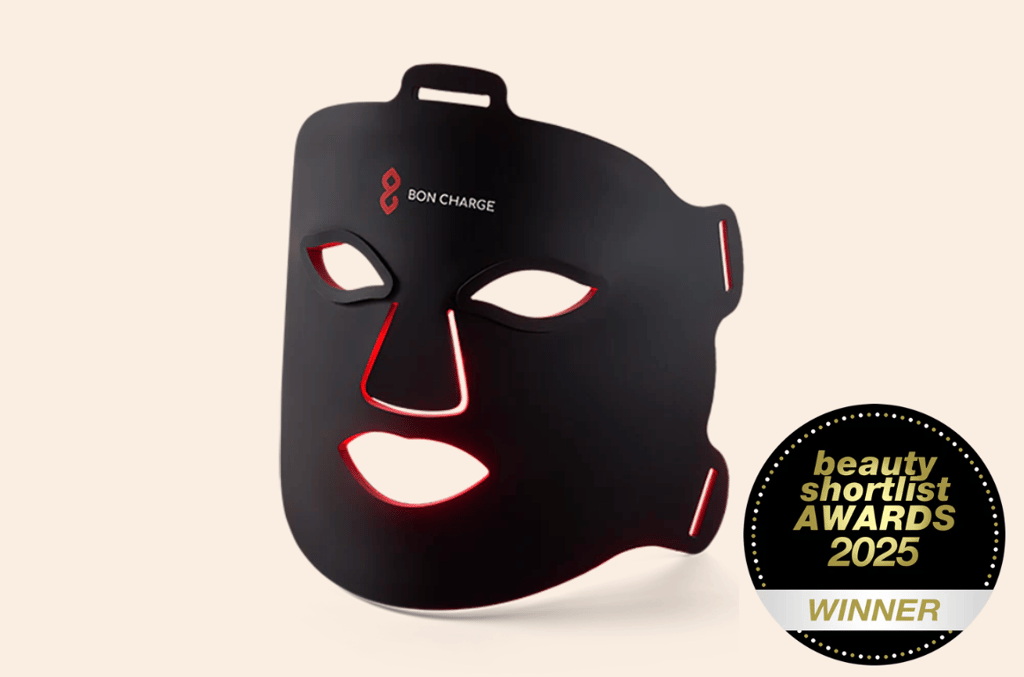
Bon Charge is an Australian wellness technology company, offering products like sleep aids, PEMF mats, and RLT devices. While its products don't hold formal safety certifications, the brand positions them as at-home devices that provide a spa-like experience.
One such device is the Red Light Face Mask, featuring a flexible silicone build for a snug fit and potential skin appearance enhancement. The mask combines 630nm red and 850nm near-infrared (NIR) light, delivered through 240 LEDs for even coverage. Additionally, it provides an irradiance of 40.8mW/cm².
According to the provider, 10–20 minute sessions are recommended 3–5 times per week to reach visible skin enhancements. Consistency is key, as regular treatments may help improve skin tone, texture, and firmness. However, outcomes can vary depending on factors like skin condition, oil production, and overall proper usage.
About Omnilux
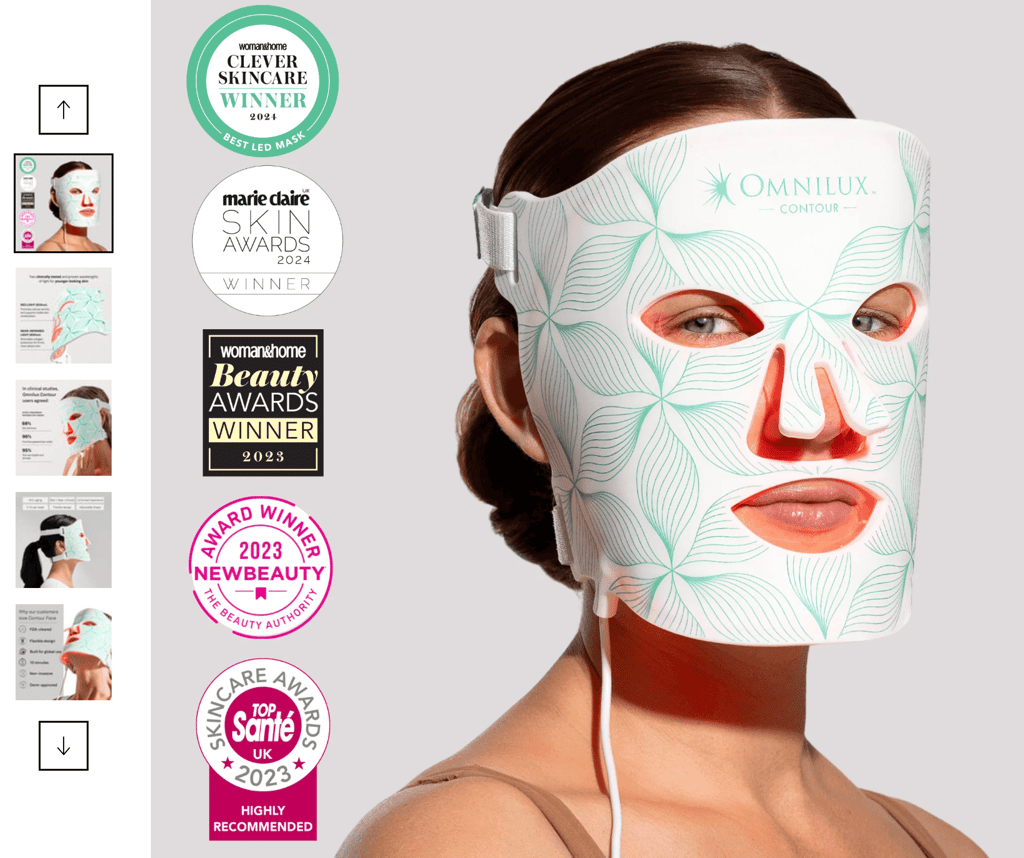
Omnilux is another well-known brand that makes RLT products. Based in California, US, the company designs non-invasive devices to help support skin health, positioning itself as a science-backed, dermatologist-endorsed LED therapy leader.
The Contour Face mask has 132 LED diodes with 633nm red and 830nm NIR wavelengths. Its ultra-soft silicone build allows the mask to conform closely to the skin. However, without eye protection, users must remain still during treatment. Irradiance isn’t officially listed, but third-party sources report around 30–35mW/cm².
Similarly to Bon Charge Red Light Face Mask, recommended use is 3–5 times per week, yet sessions are shorter at about 10 minutes. With consistent use, results may appear around week 4. As stated on the official site, early improvements include a subtle glow, while longer-term use may reduce wrinkles and fine lines and smooth out skin texture.
Bon Charge vs Omnilux red light face mask: features and benefits compared
The overall value of an RLT device is closely tied to its features and benefits. Together with the Cybernews research team, I’ve created a Bon Charge vs Omnilux red light mask feature comparison to outline their key strengths.
| Feature | Bon Charge | Omnilux | Why it matters |
| Wavelengths | 630nm red, | 633nm red, | Skin depth penetration |
| LED count | 240 | 132 | Coverage |
| Treatment time | 10–20 minutes | 10 minutes | Daily convenience |
| FDA clearance | ❌ No | ✅ Yes | Regulatory status |
| Materials | A-grade silicone | Silicone | Comfort |
| Warranty | 1-year | 2-year | Risk protection |
| Price | $349.00 | $395.00 | Value |
A good red light mask should stimulate not just surface skin but deeper layers as well. Both Bon Charge and Omnilux achieve this with red and near-infrared lights. Note that small differences in wavelengths don’t meaningfully affect safety or effectiveness of devices. Where Bon Charge really stands out is coverage. With a larger number of LEDs and a flexible A-grade silicone build, it delivers a more even light distribution across the face.
Differences between Bon Charge and Omnilux
Now that we’ve started identifying some differences, let’s take a closer look at what separates Bon Charge Red Light Face Mask and Omnilux Contour Face:
- Brand positioning. Bon Charge presents its mask as a wellness and beauty device, whereas Omnilux positions Contour Face clinically with FDA, CE, and TGA certifications and references peer-reviewed studies. Still, this aspect reflects marketing more than proof of real effectiveness.
- Aesthetic. Whether the design is aesthetically pleasing can be a deciding factor for purchasing the product. Bon Charge features a sleek, modern look, while Omnilux has a playful, lighter aesthetic with multiple mask types targeting different concerns.
- Treatment duration. Sometimes, dedicating time to a skincare routine can be challenging, so shorter treatments may become a priority. Bon Charge recommends 10–20 minute sessions, whereas Omnilux limits treatments to 10 minutes several times a week.
- Warranty differences. Bon Charge includes a 1-year warranty, while Omnilux offers 2 years, providing longer protection.
Overall, while similar in purpose, the masks have some significant differences. Bon Charge emphasizes features and benefits, whereas Omnilux positions itself as more convenience-focused and clinically oriented.

Bon Charge vs Omnilux: performance and sensor technology
RLT masks work by delivering red and NIR wavelengths that penetrate different layers of the skin and stimulate cells involved in repair and inflammation management. Studies suggest that it may increase mitochondrial activity and adenosine triphosphate (ATP) production, giving cells more energy to function efficiently. Over time, this may result in improved skin firmness, reduced wrinkles, acne support, and minor wound healing.
Wavelengths and irradiance matter as well. Red light mainly affects surface skin layers, potentially stimulating collagen production. NIR penetrates deeper because it is less absorbed by melanin and hemoglobin, allowing more light to reach underlying tissues.
Some researchers suggest irradiance above 35mW/cm² may increase stress-related enzyme activity, contributing to collagen breakdown. This is relevant when comparing Omnilux and Bon Charge masks, as both use dual wavelengths, but the latter advertises higher irradiance than commonly studied ranges. Although Bon Charge isn’t a medical-grade laser, awareness of this is important.
Results can vary, and clinical findings may not directly apply to at-home masks. So, it’s worth noting that you should always follow the manufacturer’s instructions, check contraindications, and stop the session if you experience side effects while using the mask.
Bon Charge vs Omnilux: design and comfort
The Bon Charge and Omnilux masks use high-quality silicone to conform to facial contours for comfort, hygiene, safety, and optimal light exposure. Although both masks are flexible, lightweight, and soft to the touch, some users report that Contour Face may fit awkwardly. Reddit commenters mention gaps near the chin or nose, and discomfort for people with prominent noses.
Both devices use velcro straps to secure the mask during treatments. Omnilux has two straps around the head and upper neck, while Bon Charge adds a third over the head for extra stability.
Bon Charge Red Light Face Mask also excels in eye protection. Omnilux Contour Face doesn’t provide any protection, requiring you to buy it separately or to stay still during use. The Bon Charge mask has cushioned eye openings, offering safety and added comfort. Finally, both masks include storage bags, making it easy to keep them clean, organized, and travel-ready.
What users think about each model
Together with the Cybernews research team, I explored Reddit threads and other review platforms to see if real-life experience aligns with claims. Sentiments for both devices are quite mixed, with some users loving the results and others feeling disappointed.
Bon Charge Red Light Face Mask reviews often praise its comfort, portability, and ease of use. Many report improved skin appearance, a youthful glow, and firmer skin. However, users frequently mention slow or unresponsive customer support, as well as durability issues, like manufacturing faults, short battery life, or overheating.
Omnilux masks, including Contour Face, also have heated discussions. Many users note improvements in skin texture, pigmentation, acne, and inflammation, though some report little to no effect. Keep in mind that skincare devices might not meet every wellness goal. Consistent treatment alongside a healthy lifestyle is needed to see potential changes.
Pricing and value
This Bon Charge vs Omnilux comparison wouldn’t be complete without looking at their prices and overall value. Both masks sit in the premium range, but value also includes warranty, return policies, bundles, and more.
Bon Charge Red Light Face Mask costs $349.00. If used five times per week for a year, that equals about $1.34 per session – roughly 45 times cheaper than an average in-clinic RLT treatment.
It includes a 1-year manufacturer’s warranty, a 30-day money-back guarantee, and free shipping on orders over $125.00. The brand also provides occasional discounts and bundles, like the Holistic Beauty Bundle or Face, Neck And Chest Mask set.
Omnilux Contour Face is priced at $345, with promotions such as 10% off your first purchase for newsletter sign-ups. Under the same usage conditions, the cost comes to about $1.52 per session, which is slightly higher than Bon Charge.
Omnilux includes a longer 2-year warranty, a 30-day refund window, and free ground shipping in most regions. There are also many bundle options that include other Omnilux devices or complementary face serums.
How we test health devices
At Cybernews, my team and I review health tech devices by combining our technical analysis with real user feedback. This approach has helped us develop our own unique ranking system. Our criteria include:
- Technical transparency (25%). LED density, irradiance, and wavelengths indicate whether the red light mask is safe and capable of supporting brand claims.
- Safety and regulatory status (20%). Certifications and alignment with commonly studied technical ranges help ensure high quality, safety, durability, and potential effectiveness.
- Comfort and usability (20%). Flexibility, materials, and design matter when choosing a product you’ll wear at least 3–5 times per week.
- Value for money (15%). Pricing, guarantees, and discounts determine whether the red light mask can offer meaningful value to your skincare routine.
- User sentiment consistency (20%). Customer praise and complaints reveal real-world experiences, expectations, results, and disappointments, which are worth considering before making the purchase.
Bon Charge vs Omnilux: which one to choose?
My choice is the Omnilux Contour Face mask. Although slightly pricier, it closely follows clinically validated RLT parameters, including dual wavelengths and 30–35mW/cm² irradiance. It also has a strong aesthetic appeal and includes a 2-year warranty for added security. While I can’t personally confirm skin improvements, many user reviews are positive in that regard.
So, choose Omnilux if you value clinical positioning and long-term durability. However, Bon Charge may be a better option for those who are more cost-conscious. Besides, it also offers dual wavelengths, high LED density, and a comfortable, snug fit. Ultimately, both devices justify hype around them, and the final decision comes down to your own preferences and skin wellness goals.
Other health tech articles you might be interested in:
FAQ
Is Bon Charge or Omnilux more effective for wrinkles?
Both Bon Charge and Omnilux use similar dual wavelengths linked to collagen support, but Omnilux is marketed more specifically for wrinkle reduction. Effectiveness depends on consistent use and individual skin factors.
What wavelengths do Bon Charge and Omnilux masks use?
Bon Charge Red Light Face Mask delivers 630nm red and 850nm near-infrared light, while Omnilux Contour Face uses 633nm red and 830nm near-infrared. Both target surface and deeper layers of skin in wavelength ranges commonly studied for skin benefits.
How long does it take to see results with red light therapy masks?
Most users report initial changes in skin appearance after about 4 weeks of regular use. Continued use for more than 12 weeks may bring the most visible results, but timing varies.
Are red light face masks FDA-approved or FDA-cleared?
Not all. Many red light face masks, like Bon Charge, are not FDA-approved or cleared, while Omnilux Contour Face holds FDA clearance.
Can I use Bon Charge or Omnilux every day safely?
Yes, daily use is generally considered safe, but it’s best to follow the manufacturer’s instructions for proper use.
-
Photodermatology, Photoimmunology & Photomedicine.
The application of light emitting diode (LED) in cosmetic dermatology.
-
Photobiomodulation, Photomedicine, and Laser Surgery.
Low-intensity visible and near-infrared light-induced cell signaling pathways in the skin: a comprehensive review.
-
International Journal of Molecular Sciences.
Unlocking the power of light on the skin: a comprehensive review on photobiomodulation.
-
Sensors.
Monte Carlo Simulation of the Effect of Melanin Concentration on Light–Tissue Interactions in Reflectance Pulse Oximetry.
-
Current Problems in Dermatology.
Near-infrared light and skin: why intensity matters.