Hume Band 2.0 vs Apple Watch: which one should you choose?
Being behind major reports like The Mother of All Breaches and RockYou2024, our in-house cybersecurity experts and journalists provide unbiased, real-world testing and in-depth analysis.
We maintain complete transparency by openly sharing our testing methodologies with our audience.
Learn more

If you opened our article, you're probably looking at all the new wellness and fitness trackers popping up every year and asking yourself whether you actually need one. Well, the final decision is yours, yet we may be able to make it a little bit easier.
Apple Watches remain some of the most dominant smartwatches on the market at the moment. But, if you don’t own an iPhone, dislike constant notifications, don’t want to spend hundreds of dollars every few years, or simply prefer a discreet wearable—Hume Health offers an interesting alternative.
This time around, we decided to compare Hume Band 2.0 vs Apple Watch Series 11. Together with the research team at Cybernews, we explored what each brand brings to the table and who is likely to benefit most from either option. Our hands-on testing also let us evaluate their comfort, battery life, app ecosystems, and overall long-term ownership experience.
So, join us for a few minutes as we investigate how Hume Band 2.0 stacks up against Apple Watch.
Overall, we’d recommend Hume Band 2.0 as the more affordable option if your main priority is simple, passive wellness tracking. It also feels like a device that’s likely to stay relevant for longer, given Apple’s rapid release cycle.Though, Apple Watch Series 11 and some other models are better suited to those looking for a more advanced experience, offering premium displays, deeper app integration, and wider range of health monitoring features.
Hume Band 2.0 vs Apple Watch overview
Check out this Hume Health Band vs Apple Watch comparison to get the head-to-head details you might need to make the final call.
| Device | Hume Band 2.0 | Apple Watch Series 11 |
| Rating | 4.8 | 4.6 |
| Activity features | Daily Health Score, Metabolic Capacity and Momentum, strain and recovery metrics, heart rate, blood pressure trends, and sleep tracking features | Activity Rings, heart rate and respiratory rate measurements, sleep tracking, ECG, wrist temperature, cycle tracking, and blood oxygen estimates |
| Weight | 8.6g | 34.6g or 37.8g (depending on size) |
| Battery life | Up to 14 days | Up to 24 hours (36 hours in Low Power Mode) |
| Continuous Glucose Monitoring (CGM) compatibility | ❌ No | ✅ Yes, with compatible third-party CGM devices and apps |
| FSA/HSA eligible | ✅ Yes | ❌ No |
| App ecosystem | Hume Health, Apple Health, Google Health Connect | Apple Health, Fitness, Vitals, ECG |
| Price range | $249 | From $399 |
| Subscription cost | None required | None required |


Our team of in-house researchers, writers and editors reviews and analyzes health tech products using a research-driven approach. We gather data from multiple sources, fact-check all information, and conduct our research based on peer-reviewed studies, expert opinions, consumer ratings, and regulatory approvals.
You can learn more about how we test health tech products here.
How we test smart devices
To get our Apple Watch vs Hume Band 2.0 ratings, Cybernews research team and I came up with a unique ranking methodology for healthtech devices, focusing on the following aspects:
- Features and technology (40%). The first thing we checked was the list of tech features for claimed wellness tracking. We also looked at the sensors and their type, as well as compared activity tracking capabilities.
- Design and comfort (20%). We overviewed the general comfort of wearing both day to day, focusing on discreetness and overall ecosystems to give you an idea of what to expect.
- Cost and value (20%). We also considered the long-term benefits of using these devices compared to their prices, subscriptions, app integrations, and release cycles.
- Battery life (10%). The whole point of healthtech wearables is to have them on you during your daily activities, so we pushed both of these to their limits to test them out.
- User feedback and reliability (10%). Finally, we reviewed the comments and feedback left by previous users to see if they aligned with our firsthand experiences.
Device considerations: smart band vs watch
Smart bands and smart watches are two fundamentally different types of wearables in terms of their weight, design, quality of materials, features, and price tags. To further point out their distinctions, here’s a detailed overview below.
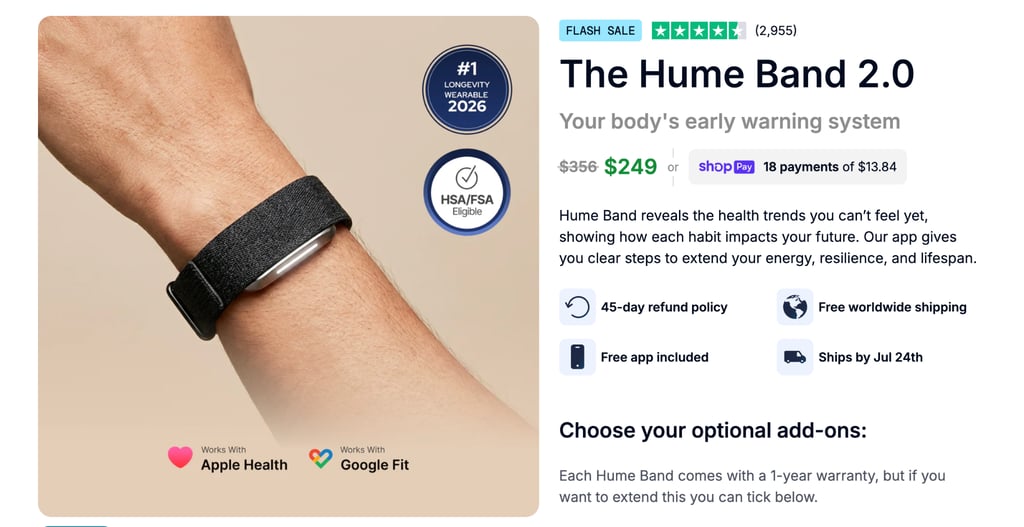
Smart bands like Hume Band 2.0 are:
- Very comfortable and lightweight
- Less likely to be damaged compared to smart watches
- Focused on health-related insights and wellness tracking
- Extended battery life with up to 14 days of use
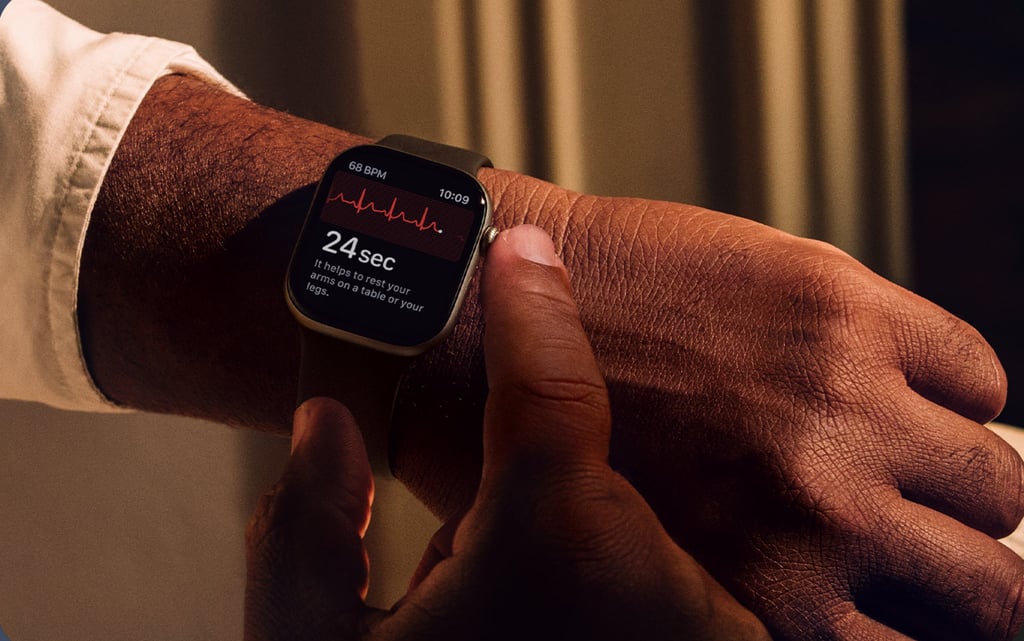
Smart watches like the Apple Watch Series 11:
- Premium materials like the top-quality glass display
- Multifunctional lifestyle devices
- Real-time notifications and integration with third-party apps
- More expensive ecosystem compared to smart bands
- Shorter battery life span, usually lasting around one day
If you’re looking for a basic smart gadget to help with daily health-related and fitness performance tracking, I’d recommend Hume Band 2.0. On the flip side, Apple Watch Series 11 makes a great lifestyle addition, offering fitness tracking among other features.
What is Hume Band 2.0?
Hume Band 2.0 is a lightweight and affordable smart band device for tracking basic fitness- and wellness-related metrics. It comes without a display, so the price tag is a bit lower compared to Apple Watch.
Hume Health is a renowned company in the healthtech sphere, and it also developed the Hume Health app, which integrates with the band. You can use it to check your data for an overview of metrics, including sleep, heart rate, recovery, estimates of blood pressure trends, and Metabolic Capacity.
It is said to focus on longevity, giving you all the tools to boost your performance and recovery up to the extent that it positively affects your metabolic age. We especially liked its personalized, holistic insights, clear wellness recommendations, and plain explanations of the data.
What is Apple Watch?
Apple has been producing smartwatches for years now, with every generation and model offering something more to improve the experience. For the comparison, we tested Apple Watch Series 11 that has officially shown up in 2025.
From our perspective, one of its biggest benefits is seamless integration with apps like Apple Health and dedicated ECG and Vitals apps. It’s even claimed to measure heart rate, record on-demand ECGs, and monitor several other wellness metrics with remarkable accuracy, but we’d still point out that it’s not a medically proven device, so it won’t replace consultation with healthcare professionals any time soon.
You can also use the Workout app with features like Pacer and Custom Workout to personalize your training sessions according to the insights that the device gives you. The latest generation of the Apple Watch models now offer blood oxygen monitoring, sleep tracking, GPS, and support for calls and messaging, making them much more than just simple fitness trackers.
Most popular and recent Apple Watch models
There are plenty of Apple Watch models besides the Series 11, so we’ve outlined the best ones in terms of claimed health and fitness tracking:
- Apple Watch Series 10. Released at the end of 2024, it’s a previous-generation flagship that still offers some of the brand’s best cutting-edge features.
- Apple Watch Ultra 3. Released in 2025, it’s currently Apple’s premium smartwatch designed for endurance sports and outdoor activities.
- Apple Watch SE (3rd Gen). It was released in 2025 and is still the best Apple smartwatch on the budget.
As you can see, Apple releases several new smartwatch models per year, making its release cycle relatively fast and the buying decision a bit more challenging. While Apple Watch Series 11 is currently the best option coming from Apple, it’s expected that the brand will launch the Series 12 and possibly even the Ultra 4 later this year.
For that reason, if you’re leaning towards an Apple Watch, you may want to wait a few months to see what the new generation brings to the table.
Hume Health Band vs Apple Watch: design and comfort
Some of the biggest differences between Hume Band 2.0 and Apple Watch Series 11 can be seen in their design.
Hume Band 2.0 boasts a rather minimalist appearance, with no screens or displays on the strap itself. Instead, it features a comfortable UltraLux wristband, which is supposed to make everyday wearing easier. It’s lightweight and soft, but the material isn’t weak or prone to tears. In fact, it’s pretty durable and even water-resistant up to 3.2 feet for 2 hours.
Unfortunately, the design isn’t very customizable. You get a gray band with the sensor on your wrist, and that’s about it. On the other hand, it’s discreet, doesn’t distract you from daily activities, and holds out great throughout the day.
Apple Watch Series 11 takes the opposite approach. It’s available in aluminum or titanium, with several color finishes depending on the model you choose. It also features an always-on Retina LTPO OLED display and comes in two sizes: 42mm and 46mm.
We were actually very impressed by the quality of the display, especially how well it adjusted to different lighting conditions both indoors and outdoors. As you may already know, you can also customize the smartwatch’s band, choosing your own materials and colors to better match your style.
A biggest consideration here is what you’re looking for: another interactive technology or a passive wearable. If you want a traditional smartwatch that lets you make calls, send messages, use apps, and interact through the display, Apple Watch is the obvious choice. But if you’re tired of constant notifications and simply want a smart band that quietly tracks your wellness in the background, Hume Band 2.0 is a better fit.
Neither choice is wrong–just depends on the type of user you are.
Hume Band 2.0 vs Apple Watch: cost and value
In terms of pricing and subscriptions, it’s not exactly a close race: Hume Band 2.0 is currently listed at $249 – almost two times cheaper than Apple Watch Series 11 – and can be bumped down with the CYBER20 discount code.
While we’re at it, there’s no subscription required for Hume Band 2.0, but you can opt for the premium plan with broader functionalities in the Hume Health app. This way, you can get access to advanced features, like AI coaching and personalized recommendations. You can use some base functionalities like sleep tracking and health-related scores via the free version, though. There’s also a 45-day money-back guarantee with a 1-year standard warranty as reassurance.
As for Apple Watch Series 11, it starts at $399 and may go up to over $1000, depending on the case, color, and band materials. You can also use Apple's monthly installments to purchase it if the upfront price is too big of an investment.
The brand has a 14-day refund window from the date you receive the product and offers a 1-year warranty. A big plus is that the watch easily integrates many great health-tracking apps like Apple Health, so there’s no need to pay a subscription fee here.
Apple Watch Series 11 vs Hume Band 2.0: core metrics tracked
We’ve also found a few differences in the tracked metrics of these two wearables.
Starting with Hume Band 2.0, it uses five LEDs and four photodiodes to track raw measurements like heart rate, HRV, blood oxygen, skin temperature, sleep stages, strain, recovery, activity, and blood pressure insights. Then, the device derives longevity and metabolic metrics out of this data.
It supposedly can tell you your Metabolic Capacity by calculating your body’s energy production and usage. It gives you a Metabolic Momentum score, too, based on your daily habits and results. These are some of the best features of Hume Health, but you should keep in mind that it’s for fun, not actual medical advice.
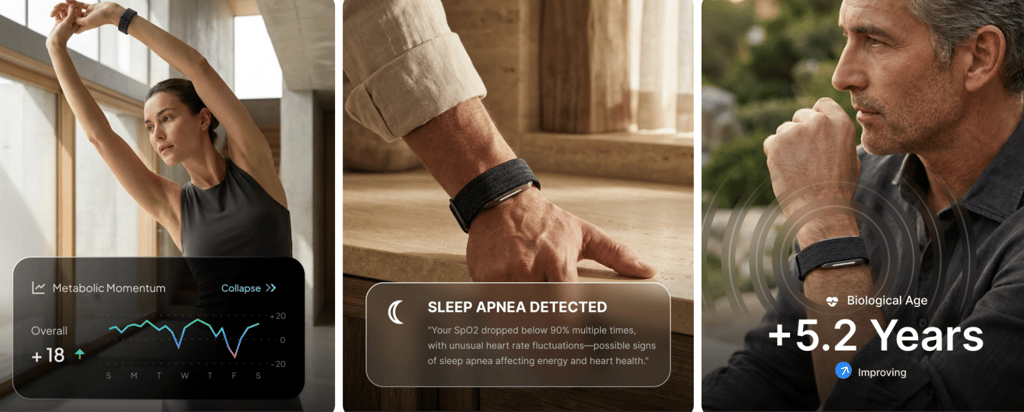
The brand also claims that the device may help identify certain signs that indicate health issues. This definitely can’t replace actual medical checkups but might urge you to be more aware of your well-being.
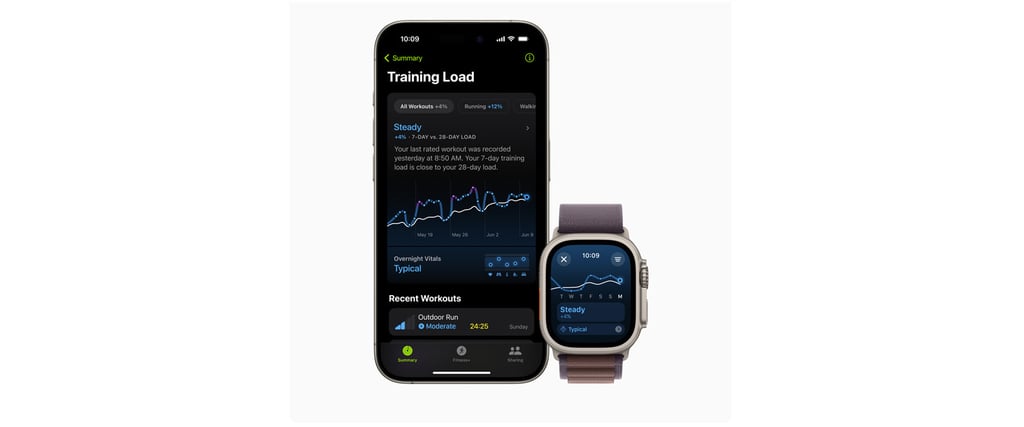
Moving to Apple Watch Series 11, it includes far more sensors, allowing the device to track more health and fitness related metrics. Though, we can’t comment on accuracy – you just get more data and features, such as on-demand ECG and noise monitoring.
Based on collected data, it can give you custom workout insights, and you can also use Apple’s fitness apps, which are integrated without any extra cost. However, we should point out that you don’t get as many interpretations as with Hume Band 2.0.
Hume Band 2.0 vs Apple Watch: battery life
One of the things that make smart bands better than smart watches is the massive difference in battery life. Once fully charged, your Hume Band 2.0 is good for around two weeks of continuous use, and we noticed it lasting for even longer periods while in standby mode.
On the other hand, Apple Watch Series 11 can last between 18 and 36 hours, so you’re charging it every day. In some cases, it might keep working longer than that, but it still can’t compare with the longer battery life of Hume Band 2.0.
During testing, we also made some interesting findings concerning their charging times. Hume Band 2.0 only takes from 20 to 80 minutes to fully charge, while the Apple Watch needs from 90 minutes to 2 hours. Ultimately, Hume Band 2.0 is a safer option if you’re traveling or simply don’t have the time to charge the device daily.
Hume Band 2.0 vs Apple Watch: pros and cons
To fully settle the Hume Band 2.0 vs Apple Watch debate, you also need to consider the pros and cons of each. Here’s our evaluation based on testing experience and our findings online:
Hume Band 2.0 vs Apple Watch: which one should you choose?
Ultimately, the matter of Hume Band 2.0 vs Apple Watch Series 11 depends on your perspective and needs. Through research and testing, we’ve come to believe that Hume Band 2.0 is a far better option for those looking for a simple fitness and wellness tracker. It’s also convenient to use while traveling, lasting for up to 14 days on a single charge, and is easily integrated with the Hume Health app and a few third-party apps.
Still, Apple Watch is a worthy contender, considering that it is more of a lifestyle addition that comes with comprehensive health-related tracking features. So, if you want a stylish accessory or another digital device in your collection, with all the performance and recovery insights you might need, Apple Watch Series 11 does just fine.
FAQ
Is Hume Band 2.0 compatible with iPhone and Android?
Yes, Hume Band 2.0 is compatible with both iPhone and Android devices. You can download the official Hume Health app from both the Google Play Store and the App Store on iOS.
Does Apple Watch track recovery like Hume Band 2.0?
No. While Apple Watch Series 11 has some fitness-based metrics, it doesn’t provide Recovery Score like Hume Band 2.0 does.
Which is more accurate for sleep tracking: Hume Band 2.0 or Apple Watch Series 11?
The answer isn’t conclusive. Hume Band 2.0 and Apple Watch Series 11 track almost all the same metrics for sleep, with Hume giving you an additional Sleep Score. But whether one is more accurate than the other is debatable and lacks independent validation.
Can you use Hume Band 2.0 without a subscription?
Yes, you can use Hume Band 2.0 without a subscription. However, you’ll need to switch to the premium plan if you wish to use the Hume Health app fully.
Is Apple Watch better for workouts than Hume Band 2.0?
Yes, Apple Watch is likely a better option for workouts than Hume Band 2.0, thanks to its integration with fitness and workout apps.