Red light therapy for acne: does it really work?
Being behind major reports like The Mother of All Breaches and RockYou2024, our in-house cybersecurity experts and journalists provide unbiased, real-world testing and in-depth analysis.
We maintain complete transparency by openly sharing our testing methodologies with our audience.
Learn more
Acne remains one of the most common skin concerns affecting people of all ages. As interest in at-home skincare technology grows, treatments like red light therapy for acne are gaining attention for their potential to reduce inflammation and support skin healing.
One of the biggest trends right now is red light therapy masks. These non-invasive devices are marketed as an easy way to achieve calmer skin, fewer breakouts, and faster recovery from blemishes without harsh treatments.
With the growing hype around red light therapy (RLT), I decided to take a closer look. Together with the Cybernews research team, I analyzed four popular red light therapy devices, reviewing scientific studies, expert insights, and real user feedback to see whether these tools actually deliver results.
Best red light therapy mask for acne – shortlist
- Omnilux Contour Face – best red light therapy device in 2026
- Illumina Face Mask – top triple-wavelength option for acne
- HigherDOSE Red Light Face Mask – RLT mask with detailed dosing specs
- CurrentBody Skin LED Red Light Therapy Face Mask: Series 2 – best for even facial coverage


Our team of in-house researchers, writers and editors reviews and analyzes health tech products using a research-driven approach. We gather data from multiple sources, fact-check all information, and conduct our research based on peer-reviewed studies, expert opinions, consumer ratings, and regulatory approvals.
You can learn more about how we test health tech products here.
The best red light therapy for acne compared
It’s helpful to compare products side by side before jumping into individual reviews, so I’ve created a comparison table below as an easy way for you to see the differences in specs, pricing, and ideal use cases.
| Device | Bulbs | Device dimensions | Electrical output (DC) | Electrical input (power adapter) | Operating temperature | Storage and transport temperature | Best for |
| Omnilux Contour Face | LEDs: 132 (66 bulbs) | Face mask: 279 x 218 x 5mm | 5V DC | 100-240Vac, 50/60Hz, 0.25A | 0-40°C | -5-55°C | Anti-aging |
| Illumina Face Mask | LEDs: 360 medical-grade LEDs | Face mask: 217 × 182 × 98mm | 5V DC, 2A (USB) | USB 5V/2A source | 0-40°C | -20-45°C | Acne |
| HigherDOSE Red Light Face Mask | LEDs: 132 (66 bulbs) | Face mask: 295 × 216mm | 5V/1A, 2600mAh | 100-240V | 0-40°C | -5-55°C | Cordless use |
| CurrentBody Skin LED Red Light Therapy Face Mask: Series 2 | LEDs: 236 | Face mask:429 × 197 × 5mm | 5.0V-1.0A DC | 100-240Vac, 50-60Hz | -10-35°C | -20-60°C | Maximum coverage |
4 best red light therapy masks for acne – our detailed list
Below is my full detailed list where I dive deeper into each device. I’ll tell you why I picked it, who it’s for, explore the key features in detail, and end with my pros and cons.
1. Omnilux Contour Face – overall best red light therapy mask in 2026
| Price: | Mid-tier |
| Bulbs: | 66 bulbs (132 LEDs) |
| Operating temperature: | 0-40°C |
| Best for: | Post-acne marks and scars |
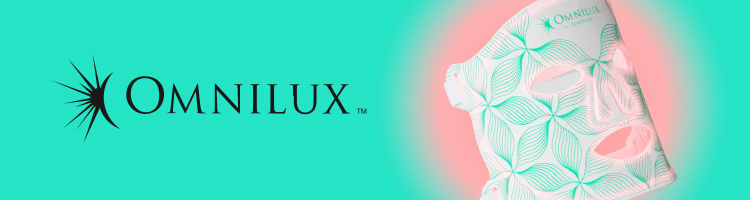
My winner – Omnilux Contour Face – claims “derm-level results.” The brand says it’s built on a medical LED platform backed by over 40 independent clinical studies. It’s a red and near-infrared mask focused on anti-aging. It promises to target breakouts, and blotchy or uneven skin. I picked it because it’s convenient for home cosmetic rejuvenation sessions while supporting post-acne recovery – not just active acne.
2. Illumina Face Mask – top breathable LED mask

| Price: | Mid-tier |
| Bulbs: | 360 LEDs |
| Operating temperature: | 0-40°C |
| Best for: | Stylish RLT treatment |
In second place is the Illumina Face Mask – a lightweight, see-through LED mask with an eye-catching illuminated design. The brand calls it the “world's first triple-wavelength LED face mask for home use.” This mask combines red, infrared, and blue light. I picked it for its ventilated shell, integrated eye shields, and adjustable straps – so you can move around and be active during a 10-minute treatment session.
3. HigherDOSE Red Light Face Mask – multi-strap cordless RLT mask

| Price: | Mid-tier |
| Bulbs: | 66 bulbs, 132 LEDs |
| Operating temperature: | 0-40°C |
| Best for: | Cordless treatment |
Claiming the last podium finish in third place is the FDA-cleared HigherDOSE Red Light Face Mask – with red and near-infrared LEDs. It’s a truly cordless LED mask. The brand cites potential improvement in skin lines, hydration, skin barrier and elasticity in an 8-week clinical test. I included it for readers who – according to the brand – want “immediate glow after just one use.”
4. CurrentBody Skin LED Red Light Therapy Face Mask: Series 2 – RLT mask with anti-aging focus

| Price: | High-end |
| Bulbs: | 236 LED bulbs |
| Operating temperature: | -10-35°C |
| Best for: | Aging skin |
CurrentBody’s Series 2 RLT mask is an FDA-cleared, futuristic-looking anti-aging focused mask. The brand says its three wavelengths – red, near-infrared, and deep near-infrared – support wrinkle reduction and improve plumpness over an 8-week clinical test. The brand claims “proven” reduction to visible aging signs. I placed it in fourth place because of the high price, but anti-aging enthusiasts may want to try it.
Our methodology
To create this guide, I worked with the Cybernews research team to analyze reputable sources, product data, and user reviews. We applied the following structured, weighted criteria:
- Scientific backing (30%): I took the quality of clinical evidence supporting RLT for acne into account. For example, I considered clinical trials and peer-reviewed research papers.
- Device quality and technology (25%): I took note of wavelength accuracy, design, and manufacturer transparency. For instance, I evaluated LED density, and how detailed the brand’s documentation is.
- Safety and ease of use (20%): I considered whether devices are user-friendly and safe for home use. For example, I took recommended routines into account.
- Customer feedback (15%): Verified user experiences and reports were absolutely crucial for my overall assessment. For instance, I scoured online forums and customer review sites for insight into product experience.
- Pricing and value (10%): I thought about whether each device was affordable in relation to the features and potential treatment benefits it provides. I only took official pricing into account.
Using the Cybernews framework allowed me to produce a balanced perspective focused on what readers can realistically expect. Without it, I wouldn’t have been able to create an honest roundup.
What is red light therapy?
RLT is a non-invasive, low-level light treatment meant to gently stimulate the skin. This treatment uses specific wavelengths of red and near-infrared light (NIR) – light that cells can absorb and use, not light (such as UV light) that damages the skin. That’s why you’ll see RLT devices like masks – in this case – marketed as reducing fine lines, redness, and targeting acne-prone skin.
RLT light may stimulate cellular activity and also potentially boost collagen production, with early research suggesting reduced inflammation and improvement of acne lesions. Most RLT devices use the 630-660nm range for red, while NIR often sits at 800-850nm. Sometimes, RLT devices also include blue light – at about 415nm – to target acne-causing bacteria.
RLT is rising in popularity with consumers hoping for at-home skin rejuvenation, skin healing, and reduced skin inflammation. Dermatologists also use RLT – but at different intensities, and the equipment they use generally differs from consumer RLT devices you can buy on the market. For instance, dermatologists’ equipment often includes pro-grade devices, precise dosimetry, and tightly-controlled protocols.
How does a red light therapy device work?
To understand how an RLT device works, I’ll unpack how its light enters the skin, and what specific wavelengths are doing – as well as their potential benefits. When you put on an RLT device and activate it, it emits low-energy red light (625 - 780 nm) and sometimes NIR (780 - 1400 nm). If it’s a triple-wavelength device, it may also have blue light – at around 415nm – or an additional deep NIR band. The idea is to trigger a subtle biological response in a non-invasive manner.
These wavelengths of light pass through the outer layer of your skin and might impact the structures in your cells – especially the mitochondria. Some studies suggest that this may boost cellular energy (ATP), and trigger signalling pathways that may support collagen production and tissue repair. In fact, a relatively recent scientific paper concluded that photobiomodulation – in this case RLT – may visibly and measurably reverse skin aging.
For acne specifically, all of this means that RLT could result in better collagen and skin repair processes. Red and/or NIR light may affect inflammatory pathways, which could help with redness and swelling around acne lesions, while blue light has been found to impact acne-causing bacteria.
Benefits of red light therapy for acne
There’s limited conclusive clinical evidence that RLT is beneficial for acne. The research is still in the early stages. However, there are a few potential benefits for acne-prone skin – mainly surrounding inflammation, healing, and overall skin quality:
- May reduces inflammation: A 2018 lab study concluded that low-level red LED therapy may have anti-inflammatory and anti-hyperkeratinization benefits related to acne.
- Might speed up healing: A 2013 dermatology review of low-level light therapy suggests that red/NIR light can increase cellular energy, microcirculation, and fibroblast activity – all involved in tissue repair. Thus, it may help skin recover a bit more efficiently following inflammation.
- Potentially improves skin tone: A 2014 controlled trial cited modest improvements in skin texture and fine lines. Improvements in skin roughness and reduction of fine lines and wrinkles were observed.
- Non-invasive and pain-free: No chemicals are involved in consumer RLT – it’s just light. The therapy doesn’t peel the skin, and is usually described as comfortable – when devices are used as directed. Rare side effects are usually mild – such as redness or skin warmth.
- Can be used alongside other treatments: RLT can be used with other skincare routines as complementary therapy. For instance, RLT can supplement over-the-counter topical or prescription treatments. However, it’s always best to check with a clinician before attempting to combine RLT with other forms of treatment – since any reactions may be individual.
How to choose the best red light therapy for acne for your needs
It’s important to choose your RLT device carefully. Try not to choose based on hype, but match the device’s specs to your skin and routine instead. Here’s what to consider:
- Wavelength range: If you have acne problems, look for a device that emits red light around 630-660nm, ideally combined with blue light (at 415nm) For redness and/or marks, look for additional NIR – around 800-850nm.
- Device type: RLT devices don’t just come as masks – there are handhelds, wands, and even large RLT panels. Masks are for facial use, while smaller devices target specific spots. Panels are hefty, but cover a larger area of your body.
- Session length and intensity settings: RLT devices typically have program times – like 10-20 minute sessions. People find fixed programs are easier to stick to. Also, check if the device has adjustable intensity – or irradiance – if you have sensitive skin.
- Safety certifications and brand reputation: Clearly important when buying any piece of technology, but especially health tech devices. Look for FDA-clearance and CE certification, and note if the brand has published any studies in peer-reviewed journals Also, look for brands that list specs like irradiance, wavelengths, and dosing guidance clearly.
- Price vs performance: See what you really need, and then read verified reviews and any available clinical data before your purchase.
Tips for using a red light therapy for acne safely and effectively
It’s important to use an RLT device properly, per manufacturer guidance. Here are some tips:
- First, read: Each manufacturer should provide a detailed manual including information on: exposure time, distance, and session length. Don’t exceed any of the recommendations.
- Start with shorter sessions: Do the shortest possible session – per the official guidance – first. See how your skin reacts to the device before increasing intensity or frequency.
- Keep skin bare: Avoid makeup, sunscreen, and any skincare products. Light must reach your bare skin. Avoid strong retinoids/acids before treatment, unless your doctor recommends otherwise.
- Protect your eyes: Never stare into the LEDs of an RLT device. If it’s a closed-type device, use goggles or eye shields.
- Clean your device: Clean the mask inside and out with a manufacturer-approved cleanser. Check the manual for cleaning instructions.
- Be consistent: Results typically only appear after several weeks of use. Don’t exceed recommended session lengths.
- Talk to your dermatologist: Always discuss RLT device use with a professional. This is crucial if you have a skin condition or are on medications.
Is red light therapy safe?
It’s hard to conclusively say that red light therapy is 100% safe as there’s no data on whether it’s safe to use in the long run. However, if you follow manufacturer guidelines precisely, it should generally be low-risk for most people.
Some people are not advised to use RLT, such as pregnant people, those that have skin conditions that may cause light sensitivity or are using specific medications, such as certain drugs used for acne treatment. In any case, absolutely consult a dermatologist before any RLT use. They’ll help you decide if red light therapy is worth giving a shot for your individual needs and will evaluate whether it’s safe in your individual case.
RLT devices are non-invasive. However, it doesn’t mean they’re guaranteed to be safe. Since research is still in its infancy, potential benefits as well as risks of red light therapy are still unclear. Typically, all you might feel is some warmth, and some mild redness afterwards. Others have reported temporary tightness or dryness, or a slight sensitivity – especially those using strong retinoids or acids as part of their skincare routine.
It might be best to stick to reputable, FDA-cleared or CE-marked devices, and follow your doctors recommendations as well as the manual that should be in your product’s box.
Final verdict: the best red light therapy for acne
Red light therapy for acne is a trendy, supportive consumer treatment option. It’s not just hype, there’s legitimate early clinical data that might back some of its benefits. RLT could potentially help calm inflammation, boost healing, and provide anti-aging benefits when used as directed – especially with a dermatologist-recommended holistic skincare routine.
As for the devices I’ve reviewed here, the Omnilux Contour Face is my overall top pick for its potential to address several things: acne-prone skin, post-acne, and aging skin. It has all the tech specs, brand reputation, and brand transparency that a top RLT product should.
Remember, this guide was created by me and the Cybernews research team, and I didn’t conduct any hands-on testing. Instead, this guide was made to help you choose the best red light therapy device for acne.
Other red light therapy devices:
Best red light therapy for pain: what to look for
Best red light therapy belts of 2026: what works, what’s hype, and what to avoid
Best red light therapy mats for 2026: top devices
5 Best red light therapy panels 2026: top devices reviewed
FAQ
How often should I use red light therapy for acne?
While there’s no research to suggest a standard RLT regime for acne, most consumer-level at-home masks recommend about 3-5 sessions lasting 10-20 minutes – per week. Always consult your manual and a dermatologist prior to use. With something like the Omnilux Contour Face, stick to the 10-minute built-in program to stay consistent.
Can red light therapy completely cure acne?
No, red light therapy is not a cure for acne. It’s a supportive treatment that may calm inflammation and help lesions heal a little faster, but acne treatment is complex and is influenced by things like hormones, genetics, lifestyle, and medications.
How long does it take to see results from red light therapy?
Most brands – and studies – seem to agree that gradual changes happen over 4-8 weeks of proper use. Some people report feeling “glowier” much sooner, but meaningful changes often take weeks – if they happen at all.
Is red light therapy suitable for sensitive skin?
That depends how sensitive the skin is. If you have conditions like rosacea, eczema, or some kind of skin condition, don’t use an RLT device without asking your dermatologist first.
Can I use red light therapy along with other skincare treatments?
Usually yes, but that depends on what kind of skincare treatment it is. Combining RLT with strong, irritating acids and similar skincare products might not be a good idea – likewise for strong acne medications. Consult with your dermatologist to avoid any adverse reactions.
-
Experiences of Social Media Users with Over the Counter Red Light Therapy Devices
Journal of Clinical and Aesthetic Dermatology
-
Low-level laser (light) therapy (LLLT) in skin: stimulating, healing, restoring
Seminars in Cutaneous Medicine and Surgery
-
Reverse skin aging signs by red light photobiomodulation
Skin Research and Technology
-
Blue and red light combination LED phototherapy for acne vulgaris in patients with skin phototype IV
Lasers in Surgery and Medicine
-
Phototherapy with blue (415 nm) and red (660 nm) light in the treatment of acne vulgaris
British Journal of Dermatology
-
Comparison of Red and Infrared Low-level Laser Therapy in the Treatment of Acne Vulgaris
Indian Journal of Dermatology
-
A Controlled Trial to Determine the Efficacy of Red and Near-Infrared Light Treatment in Patient Satisfaction, Reduction of Fine Lines, Wrinkles, Skin Roughness, and Intradermal Collagen Density Increase
SageJournals
-
Low-level red LED light inhibits hyperkeratinization and inflammation induced by unsaturated fatty acid in an in vitro model mimicking acne
Lasers in Surgery and Medicine