Nurosym vs Pulsetto: which vagus nerve stimulation device is better?
Being behind major reports like The Mother of All Breaches and RockYou2024, our in-house cybersecurity experts and journalists provide unbiased, real-world testing and in-depth analysis.
We maintain complete transparency by openly sharing our testing methodologies with our audience.
Learn more

Juggling work, family, friends, and relationships on a daily basis isn’t always easy. I know I’ve been under tons of stress because of it, and I’m willing to bet you have, too.
Enter Nurosym and Pulsetto, two vagus nerve stimulation (VNS) devices that promise to alleviate that stress and do a lot more. The former is marketed as a wearable gadget backed by clinical research, while the latter is a neck-worn device focused on relaxation, sleep, and wellness. Below, I break down how they compare in terms of safety, reliability, value, and daily ease of use.
The Cybernews research team and I thoroughly explored these two brands’ spec sheets, clinical positioning, safety disclosures, and overall sentiment. Below is a detailed Nurosym vs Pulsetto comparison, where I’ll dive into their features, differences, wellness claims, pricing, and feedback.

Nurosym vs Pulsetto overview
Before I get into the nitty-gritty, let’s do a quick Pulsetto vs Nurosym side-by-side comparison so you know how they stack up right from the get-go:
| VNS device | Nurosym | Pulsetto |
| Rating | ⭐ 4.4/5 | ⭐ 4.3/5 |
| Overall rank | #1 out of 7 | #2 out of 7 |
| Device design | Ear-based vagus nerve stimulation (taVNS) | Neck-based vagus nerve stimulation (tcVNS) |
| Clinical backing | CE-certified medical device with a growing body of clinical research | Wellness-focused device with app-guided programs (has a few small studies) |
| App experience | Focus on clinically informed protocols | App with insights, soundscapes, and intensity controls |
| Best for | taVNS applications, including potential anxiety, stress, and fatigue relief, post-viral symptom management, and autonomic nervous system regulation | Wellness-focused VNS that may help with stress management, sleep, and mood regulation |
| Pricing | $900 | $269 |


Our team of in-house researchers, writers and editors reviews and analyzes health tech products using a research-driven approach. We gather data from multiple sources, fact-check all information, and conduct our research based on peer-reviewed studies, expert opinions, consumer ratings, and regulatory approvals.
You can learn more about how we test health tech products here.
About Nurosym
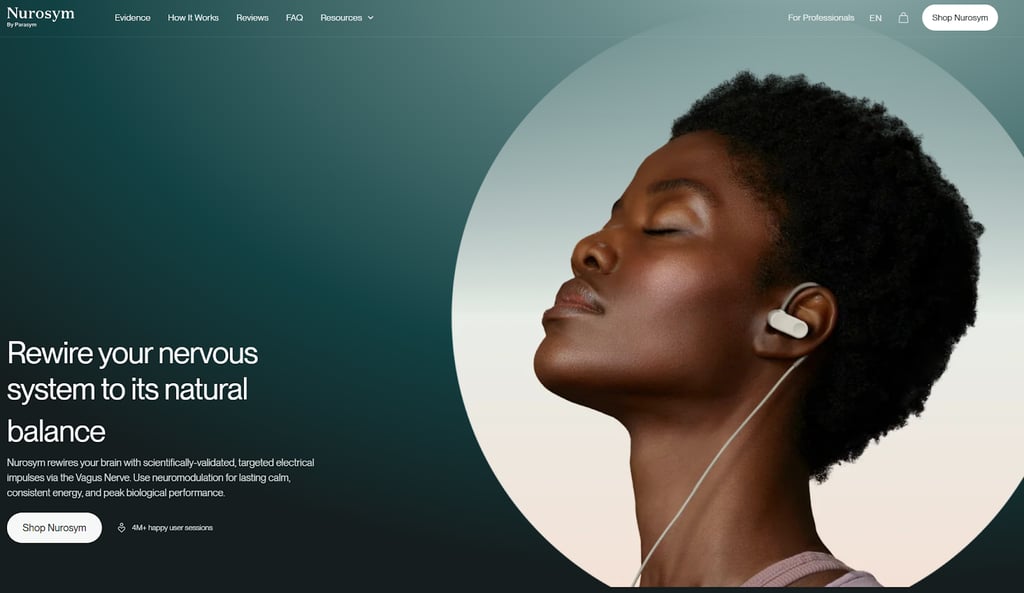
Nurosym entered the market in 2020 as a non-invasive, home-based transcutaneous auricular VNS device (taVNS). It relies on Parasym’s (the parent company’s) proprietary Auricular Vagal Neuromodulation Technology (AVNT) and is supposed to help you calm down, regain energy, regulate your sleep, and support your entire nervous system.
These aren’t empty claims, either; Nurosym is backed by 60+ studies from over 150 independent partner institutions and is CE-certified. It uses a simple clip that attaches to the tragus of your left ear and then sends targeted electrical signals to the brain, which aim to increase your body’s parasympathetic activity known as the "rest and digest" response.
About Pulsetto
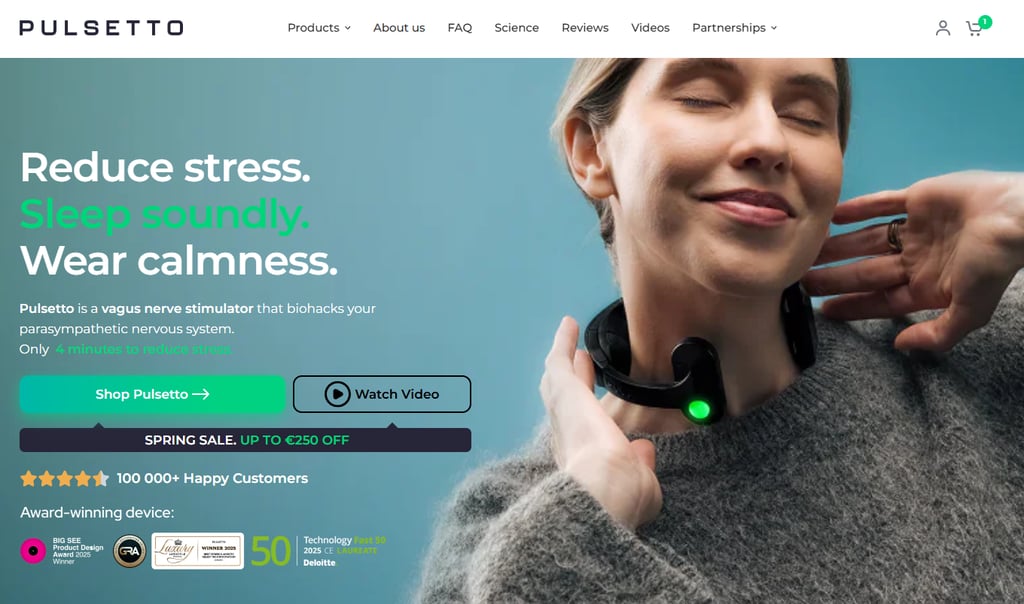
Unlike Nurosym, Pulsetto’s non-invasive VNS devices (Lite and FIT) use high-intensity bilateral neck stimulation. And while the design here shifts from an ear-worn device to neck-mounted gadgets that deliver VNS through the skin, the goal remains largely the same: managing stress, improving sleep, and regulating your nervous system.
Both devices primarily rely on the Pulsetto app. There are five programs to choose from here, including stress relief and anxiety management, so you can enjoy guided stimulation sessions and adjust the intensity of the electrical signals.
Pulsetto vs Nurosym comparison: features
To help you choose between these two brands and understand which one offers better bang for your buck, the Cybernews team and I compared their key features side by side:
| Feature | Pulsetto | Nurosym | Why it matters |
| Stimulation location | Neck | Ear | Affects vagus nerve access and comfort |
| Wearable design | ✅ Yes | ✅ Yes | Impacts ease of use |
| Certification | FCC (general electronics) | CE (medical-grade standard) | Reflects a higher bar for safety and device evaluation |
| App controls | ✅ Yes (via Pulsetto App) | ❌ No | Enables health-related metrics |
| Session duration and number of sessions | 4 to 10 minutes, 2-3 times per day | 15 to 30 minutes, 2 times per day | Impacts daily time commitment and usage routine |
| Battery life | Up to one week | Up to one week | Affects charging frequency |
| Intended benefits | Stimulating parasympathetic activities, reducing stress, and improving sleep quality | Calming down your mind, improving energy levels, and reaching peak physical performance | Clarifies use cases |
| Clinical research positioning | Marketed as a wellness gadget | Positioned as a clinically-backed AVNT device | Inspires trust |
As you can see, Nurosym leads with the better-researched taVNS approach, delivering targeted electrical signals directly to the ear for a more precise connection to the vagus nerve. Pulsetto, on the other hand, offers neck-based devices with shorter sessions and app-guided programs, making it a more casual, wellness-first option.
Differences between Nurosym and Pulsetto
While both Nurosym and Pulsetto deliver VNS, they go about it differently.
Pulsetto takes a neck-worn approach and relies on bilateral electrodes to stimulate the vagus nerve through your skin. The focus here is on convenience, so sessions are shorter than Nurosym’s. The Pulsetto App offers five guided programs, making these devices ideal for casual sessions like everyday stress relief and sleep support.
Meanwhile, Nurosym is categorized as a taVNS device, which means it delivers electrical signals to the tragus of your left ear. Its longer 15- to 30-minute sessions focus on stress management, nervous system regulation, and recovery. Nurosym’s companion app is focused on instructions, but thankfully, it’s easy enough to make direct adjustments on the device itself without requiring app control.
Whole body benefits
Pulsetto and Nurosym stimulate the vagus nerve through the neck and ear, respectively, yet VNS may actually have a positive impact on your entire body. And that’s precisely what makes it so popular across the entire wellness tech spectrum.
In most cases, these two brands overlap in their claims. Both suggest their gadgets can:
- Improve your heart rate variability (HRV)
- Promote better sleep
- Reduce your stress levels
- Regulate your entire nervous system
That said, these claims should be taken with a grain of salt. While Nurosym’s device is certainly backed by more clinical trials, the evidence varies from study to study. More research is needed on both neck-mounted VNS and taVNS devices, as well.
Safety and wearable status
Unlike clinical VNS systems, consumer-grade VNS devices like Nurosym and Pulsetto take a non-invasive, over-the-counter approach.
That said, Nurosym positions itself as a clinically-backed taVNS solution. Its device was built with safety in mind, as evidenced by its CE certification. The brand also claims the gadget has a very high safety profile, with no reports of serious side effects.
On the other hand, Pulsetto’s devices have been FCC-certified because they’re considered general wellness devices rather than medical-grade instruments. Pulsetto also clearly outlines contraindications, which include users with:
- Pacemakers, hearing aid implants, and other active implantable electronics
- Metallic devices like stents, bone plates, and bone screws in or near the neck
- Existing medical conditions, such as hypertension and tumors
As the safety and efficacy of these devices are generally evaluated only in healthy individuals, it’s always best to consult your doctor beforehand, as neurological conditions and even pregnancy can lead to certain side effects.
Nurosym vs Pulsetto comparison: pricing and value
Ultimately, you’re most likely to vote with your wallet. With that in mind, let’s see how these two brands stack up in terms of costs:
| Factor | Nurosym | Pulsetto |
| Device price | $900 | $269 |
| App subscription | None required | Free version and $139/year Premium version |
| Warranty | Up to two years | Two years (extendable to five years) |
When you buy Nurosym, you get the device itself, a charger, a case, and a starter guide. There’s no gel requirement here, as you can just use a drop of water on the tragus, so you won’t need to worry about other costs after the purchase. I also like that you don’t need to buy a subscription to make full use of its features.
On the other hand, Pulsetto devices come with a USB-C charging cable, electrode gel, and a user manual. The case isn’t included, but you get free access to the basic app version and a 14-day free Premium trial. And as for ongoing costs, all you’ll need is a bit of conductive gel, which you can purchase once (4x60ml tubes) for ~$39 or receive quarterly for ~$31.

How to choose the right vagus nerve stimulator for you?
If you got this far and still don’t know whether to go with Nurosym or Pulsetto, I’ve added a few factors you should consider and questions you should ask yourself before buying:
- Budget. How much are you willing to spend on a VNS device?
- Intended use. Are you looking for a gadget that’ll help you manage your stress levels, improve your sleep quality, or regulate your mood?
- Device format. Is wearable tech an absolute must, or are handheld gadgets okay with you, too?
- Portability. Do you plan to use the device at home or on the go?
- Ecosystem preferences. Do you already use certain health apps, such as Google Fit and Apple Health?
- Session options. Are on-device signal adjustments enough, or do you want pre-set VNS sessions for a more targeted approach?
Customer reviews and testimonials
This showdown wouldn’t be complete without a deep dive into Pulsetto vs Nurosym reviews and user feedback, so that’s precisely what the team and I did.
Most Pulsetto users actively praise the ease of use of the brand’s devices. On the flip side, while there are a few comments on build quality, battery, and comfort, the majority of negative feedback seems to be related to results, as experiences vary significantly.
On Nurosym’s side of the pond, users appreciate that the device is backed by various clinical studies. While people aren’t happy with the hefty price tag, the lack of ongoing consumable costs like conductive gel helps offset the higher upfront investment.
Our methodology
Before I conclude this Nurosym vs Pulsetto showdown, I’d like to explain how we evaluated these devices. Namely, while there was no hands-on testing here, the team and I thoroughly reviewed both brands and applied a weighted scoring model based on:
- Feature innovation (25%). We looked at each device’s stimulation methods, designs, and app features.
- Safety transparency (20%). Next up, we examined how clearly each brand outlines safety information and contraindications.
- Ease of use (15%). Setup complexity, usage guidelines, and app experiences also played a role in our evaluation.
- Pricing and long-term value (15%). We also factored in both initial and ongoing costs and then compared these to gauge each device’s actual value.
- Scientific credibility (15%). We reviewed available research and clinical studies supporting each brand.
- User sentiment consistency (10%). Finally, we analyzed recurring themes in verified user comments across multiple review platforms and forums.
It’s worth repeating that both brands’ claims should be taken with a grain of salt, even if they’re backed by research. After all, the effectiveness of all wellness-first devices varies significantly from user to user.
Nurosym vs Pulsetto: which one should you choose?
While Nurosym and Pulsetto are both some of the best vagus nerve stimulators on the market in 2026, they cater to different users.
If you prefer a simpler, budget-friendly option for everyday relaxation routines, neck-worn Pulsetto is a good pick. But if you need a clinically-backed taVNS device with ear-based stimulation, then I highly recommend Nurosym.
Ultimately, you should base your decision on what you’d prefer to wear, how much you’re willing to spend, whether you value research-backed devices, and what your daily usage habits are.
Other health tech reviews:
Pulsetto Lite vs Pulsetto FIT: which vagus nerve device is better for you?
Pulsetto vs Truvaga: which vagus nerve stimulation device is better?
Pulsetto vs Sensate: which vagus nerve stimulation device works better?
Pulsetto vs Apollo: which wellness wearable is a better fit?
FAQ
What is vagus nerve stimulation used for?
VNS is commonly used to support nervous system regulation. Devices that rely on this approach can potentially help you reduce stress levels, improve sleep quality, regulate your mood, and even aid recovery.
Is Nurosym better than Pulsetto for stress relief?
Currently, there’s no evidence that would directly compare these two devices in regard to stress relief. There’s no one-size-fits-all solution here – many factors may play a role in stress management, including regular use and the individual’s nervous system response.
Are vagus nerve stimulation devices safe to use at home?
All consumer-grade VNS devices, including Nurosym and Pulsetto, offer non-invasive vagus nerve stimulation that you can enjoy at home. While Pulsetto is a wellness device, the manufacturer positions Nurosym as a CE-certified medical device in Europe. Make sure to talk to your doctor if they’re safe for you before giving them a try, as they might not be suitable for some people.
How long does it take to see results from VNS devices?
It depends on the user. Some report feeling less stressed and less anxious even after a few days of use, while others never notice improvements, even after consistently using the devices for six months, which is usually how long these brands claim it takes to see results.
Can Nurosym or Pulsetto replace medical treatment?
No, they can’t. Pulsetto is not a medical device and shouldn't be used as one. While Nurosym is backed by 60+ studies and is positioned as a medical device in Europe, it shouldn’t replace medical care. So, even if they can potentially support stress management and relaxation, they’re not a replacement for proper medical treatment.
-
Aldo Sommer. 2023. Neuropsychologia
The effect of transcutaneous auricular vagus nerve stimulation (taVNS) on cognitive control in multitasking
-
Praloy Chakraborty. 2023. Arrhythmia & Electrophysiology Review
Non-invasive Vagus Nerve Stimulation in Postural Orthostatic Tachycardia Syndrome