How to get around age verification requirements on websites and apps
Our in-house cybersecurity experts and journalists, renowned for major reports like The Mother of All Breaches, conduct transparent, unbiased VPN testing and in-depth analysis.
With 750+ articles crafted based on real-world research, we empower readers to make informed purchasing decisions through first-hand expertise.

-
You can bypass age verification using a reliable VPN.
-
Proton VPN is the most secure VPN that consistently bypasses age verification steps across various apps and websites in my tests.
As age verification laws rolled out across various US states and internationally, you might be curious about what they involve and how they actually affect your privacy. Let's cover the basics first: governments worldwide are implementing these regulations primarily to shield minors from explicit or harmful online content. Beyond that, jurisdictions like Australia are applying these same concepts to restrict children under 16 from accessing social media platforms altogether.
While proponents argue these measures are necessary to safeguard children, global civil rights organizations, including the ACLU, have warned that they present significant risks to privacy and civil liberties. The main concern is that age verification frequently forces you to hand over your government ID or biometric data to websites, opening the door for third parties to monitor and track your online behavior.
Fortunately, there are methods to navigate around these intrusive rules. In this guide, I'll walk you through how using a VPN can help you bypass age verification prompts on various apps and websites.
Getting around age verification laws with a VPN is a straightforward process. Here are the steps you need to follow to bypass them:
How to bypass age verification with a VPN in 2026

- Subscribe to a VPN that has servers outside your jurisdiction – I recommend Proton VPN, now 70% OFF
- Download and install the VPN
- Open the VPN app and connect to a server outside your jurisdiction where there are no age verification laws
- Browse the web – you shouldn't have to verify your age
What are age verification laws?
Age verification laws have been introduced in multiple countries. While every country has specific requirements, they can be summarized simply. Age verification laws require websites that host specific content (usually adult content or social media) to verify users' ages using some form of ID. To illustrate how this is being enacted, I looked at several jurisdictions that have recently enacted age verification laws:
- Australia enacted age verification laws in December 2025 for social media and in March 2026 for adult content, requiring users to verify their accounts via facial recognition, eID, ID scans, or credit card checks. This resulted in multiple adult content websites, including Pornhub, blocking access in Australia.
- France has been requiring adult sites to verify their users since June 2025. It is also currently implementing new laws to restrict minors under 15 from accessing social media, planned to be enacted in September 2026.
- The United Kingdom enacted laws requiring adult content and social media sites to verify users' ages. This has led to several sites ceasing operation in the UK, including Pornhub and Imgur.
- In the United States, 27 states have enacted age verification laws, including Texas, Florida, and Arizona. These laws have led adult content providers like Pornhub to block users from accessing their content. So far, 8 states also require age verification for social media websites.
Here's a breakdown of the countries currently instituting age verification to access adult content or social media:
| Country | Adult content | Social media |
| Australia | ❌ Age verification required | ❌ Age verification required for under 16 |
| France | ❌ Age verification required | ❌ Age verification required for under 15 (law due to come into force in September 2026) |
| Germany | ❌ Age verification required | ✅ No verification |
| Italy | ❌ Age verification required | ✅ No verification |
| Spain | ❌ Age verification required | ✅ No verification |
| United Kingdom | ❌ Age verification required | ❌ Age verification required (13 or 18 years old depending on content) |
| United States | ❌ Age verification required in some states | ❌ Age verification required in some states |
Steps have also been taken to institute EU-wide age verification policies, with the EU adding age verification to its strategy for the coming years. This may result in more websites requiring a digital wallet to access them.
How does the age verification process work?
Age verification can be implemented through several methods. These usually include taking a video, scanning your ID, using your credit card, or verifying through a third-party service. Jurisdictions that offer eIDs also often use those to verify age.
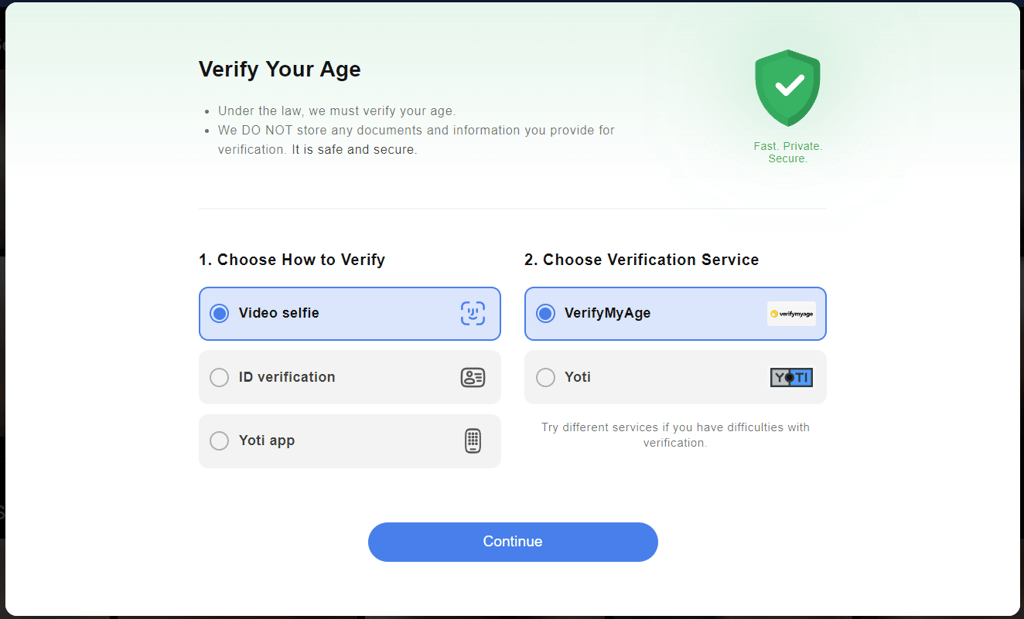
Of course, this raises concerns about what kind of data is being collected. This will depend on the jurisdiction, but your ID or biometric data is nearly certain to pass through multiple servers. While providers claim that they do not store data, most haven't been independently audited.
Concerns over privacy and security of age verification services
The information gathered by verification services has raised concerns from multiple privacy advocates and human rights organizations. These concerns have also proven to be accurate in some cases, as in February 2026, Sumsub disclosed a security incident. Similarly, Persona has recently been scrutinized for its security practices.
These breaches show that while age verification may help protect children from harmful content, it also creates multiple privacy and security risks. The most notable one is, of course, surveillance. With ID requirements, your internet activity can be linked to your person, making it impossible to maintain privacy on the internet.
Additionally, these restrictions may not even stop children from accessing adult content or social media. In fact, it may instead push minors into gray areas and make their access harder to detect.
How to bypass age verification with a VPN – detailed guide
To help you avoid privacy-invading age verification laws, I created a step-by-step guide to bypassing them.
Step 1. Select a reliable VPN service
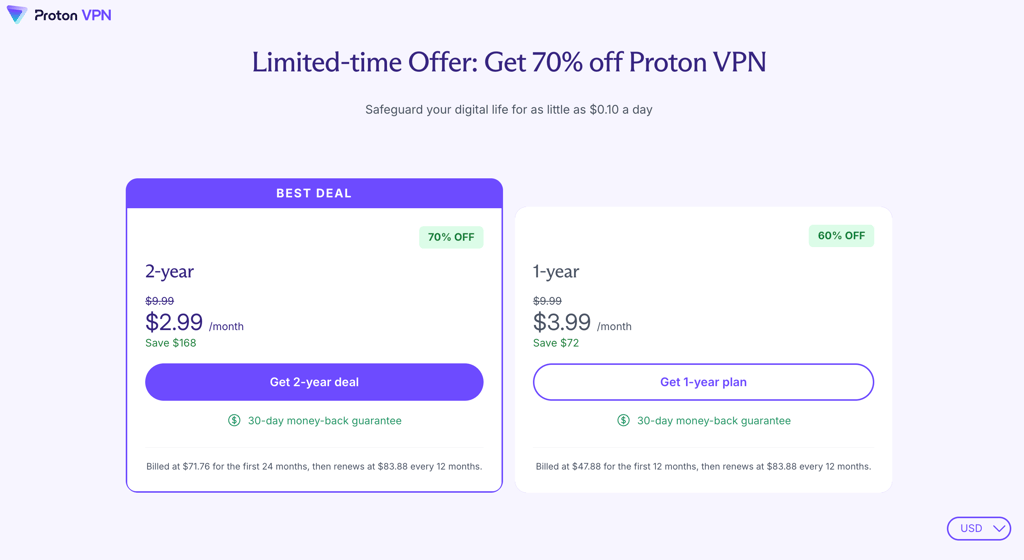
Your first move is to get your hands on a dependable VPN. I recommend Proton VPN for the best overall experience. Since the majority of VPNs provide money-back guarantees and free trials, you can try them out for viewing adult content without putting your wallet on the line.
Step 2. Download and configure the VPN
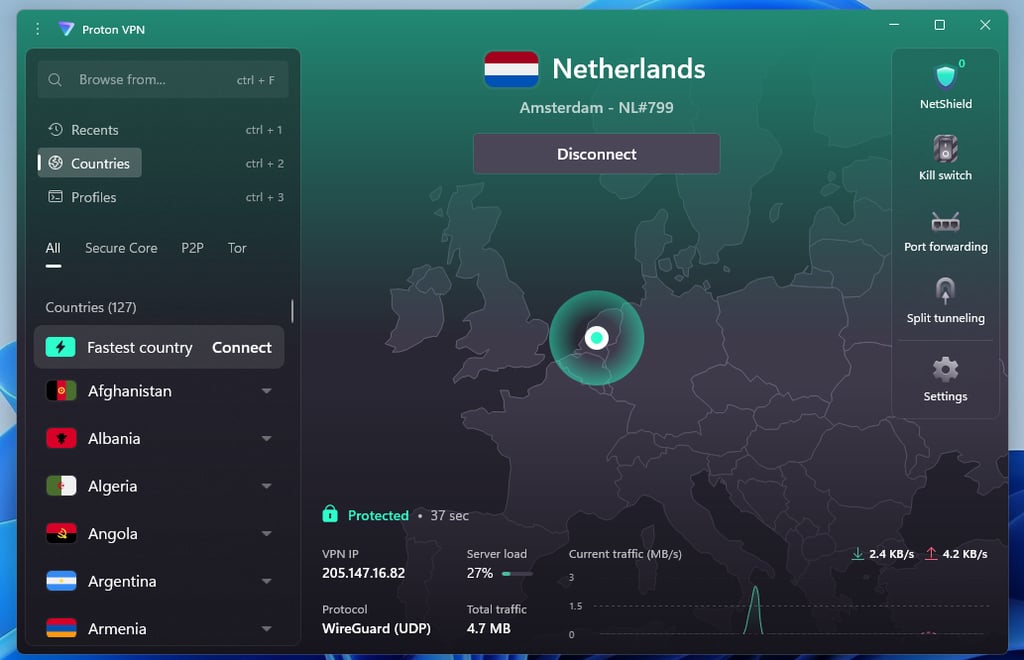
After choosing a provider, install the VPN software on whatever device you plan to use. Doing this gives you optimal security while letting you tweak the connection settings exactly how you want them. Keep in mind that you will need to sign in to your account to access all the features.
Step 3. Link up to a server in a restriction-free location
With your app ready to go, your next step is to connect to a server in a region that doesn't mandate ID checks for online platforms. Any location will work perfectly, provided the specific state or country hasn't passed its own age-verification laws for the content you want to access, including social media platforms that may restrict or ban them. For lightning-fast connection speeds, choose a server that is as close to you as possible and offers unrestricted access.
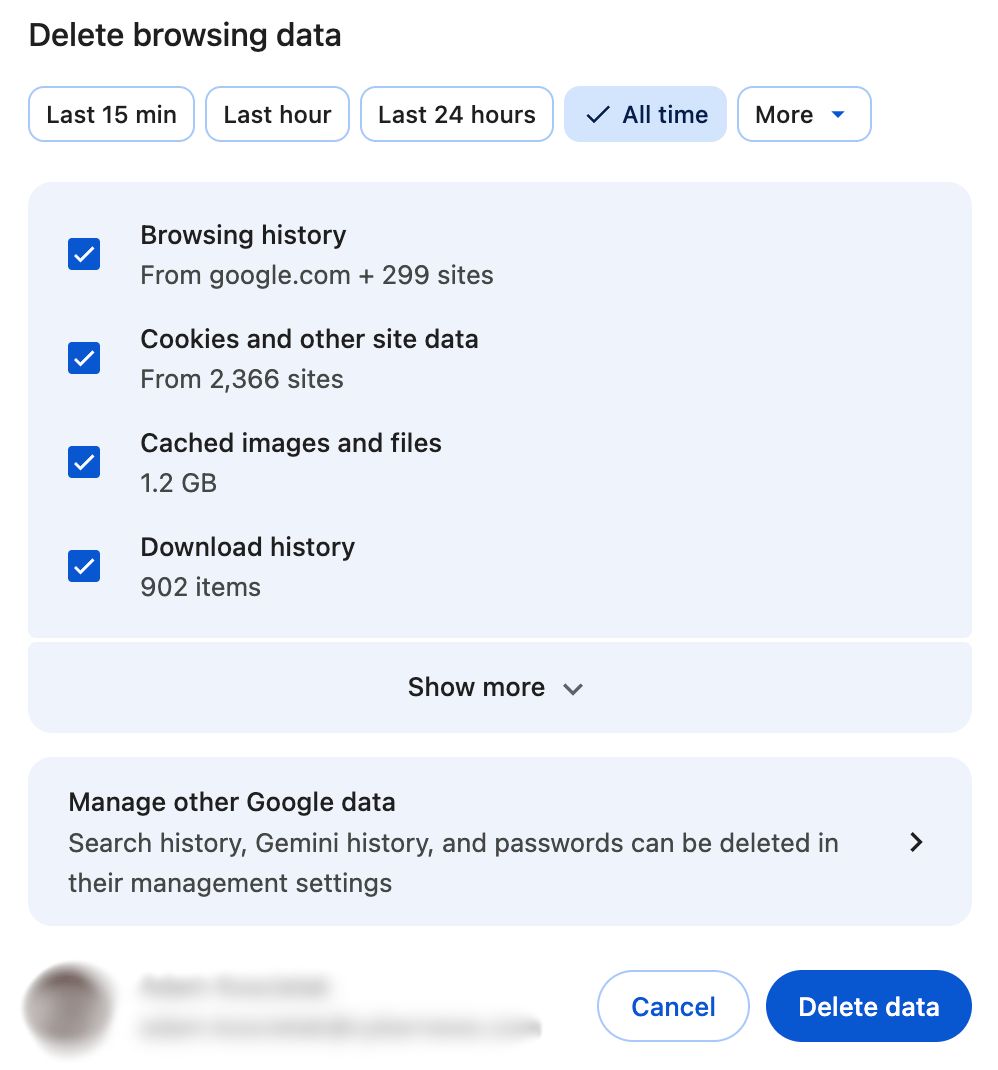
Step 4. Clear your browser cookies and cache
Before you load up the website, I highly recommend wiping your browser's cookies and cache. Platforms often store your previous location data, device identifiers, or past age-verification prompts in your browser history. Clearing this data ensures the site sees you as a brand-new visitor connecting from your newly selected, restriction-free VPN location. Alternatively, if you're browsing for a one-time task, you can use incognito mode instead.
Step 5. Access your preferred website or app
Your last step is simply navigating to your chosen site or social media app to access its content without having to hand over your personal info for an ID check. If the platform still prompts you for age verification or blocks your access right off the bat, just switch your VPN to a different server location and try again.
Final thoughts
Age verification laws are expanding globally, bringing serious privacy and security concerns with them as more governments erect hurdles to internet access. Although these laws are intended to protect children, they can often do more harm than good by compromising your privacy and increasing the risk of data leaks.
Fortunately, relying on a trusted VPN will help you get around age verification on websites and maintain your anonymity online. I highly recommend Proton VPN – it delivers blazing-fast speeds and features, with independently audited privacy measures to guarantee your sensitive information stays out of the wrong hands.