Best heated vests for men: top 5 options for warmth and comfort

It’s a bit frustrating knowing that wearing your thickest jacket isn’t enough to combat the cold. It can only cover so much, and that’s why you should consider a heated warming vest.
A heated vest for men solves this by using built-in heating elements powered by a rechargeable battery to warm your core, helping regulate body temperature without restricting movement or making you look swole.
To find the best heated vest for men, I worked together with the Cybernews research team to review manufacturer specifications, safety and care guidance, and user feedback from verified buyers. In this article, you’ll learn the top options and how to shop smarter, so you can confidently choose one that delivers consistent warmth and long-term value.
Best heated vests for men – shortlist
- WellaHeat – best for work and daily layering
- ORORO – best long-runtime option
- Venustas – best for comfort
- EJVZUO – best for severe cold
- WASOTO – best budget option with strong battery life
5 best heated vests for men – our detailed list
For this section, I highlight the strengths, weaknesses and key features of each warming vest on our list to help you make an informed decision.
1. WellaHeat – best for work and daily layering
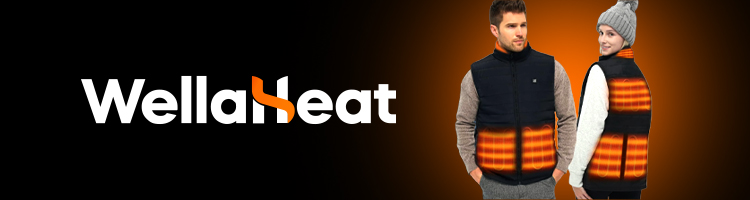
| Heating zones | 9 |
| Insulation type | Thermal insulating fabric |
| Battery life | Up to 7 hours |
| Price | Mid-tier |
| Best for | Work and daily layering |
WellaHeat takes the top spot on my list of the best heated vests for men. The battery-heated vest uses 9 heating zones across the torso, upper back, and neck to deliver balanced warmth.
I also like how lightweight and slim it feels. It also features three adjustable heat settings and up to seven hours of runtime for steady warmth throughout the workday.
2. ORORO – best long-runtime option
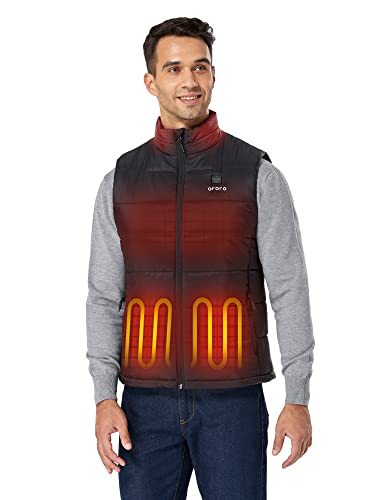
ORORO is a reputable brand in the electric heated vest category, and for good reason. It offers you a clean, tailored design with one of the longest runtimes available.
The UL-certified battery is safe, durable, and supports hundreds of recharge cycles. Heating zones are placed across the collar, back, and pockets to keep both your core and hands warm. I like the easy one-button controls and the USB charging port for your phone.
3. Venustas – best for comfort
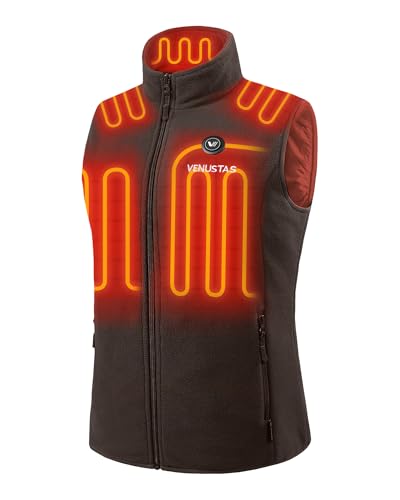
Venustas offers one of the most comfortable heated vests for men, thanks to its ultra-soft fleece fabric and larger-than-average heating panels.
The six heating zones cover the collar, shoulders, back, and chest to deliver even warmth. I also like the fast charging and the dual USB ports.
4. EJVZUO – best for severe cold
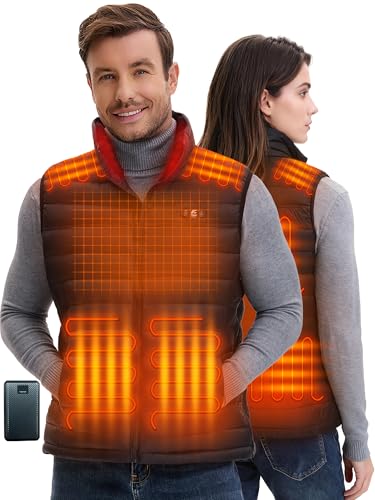
EJVZUO is built for men who often face freezing temperatures. The combination of graphene cloud down insulation and eight heating zones makes this heated vest with battery pack effective in severe cold.
I like how quickly it heats up and how well it retains heat, even when the heating is turned down. It’s bulkier than other options but delivers dependable performance.
5. WASOTO – best budget option with strong battery life
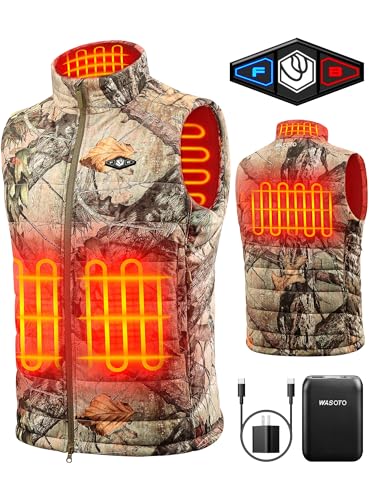
Last, but definitely not least, we have WASOTO. It is an excellent option for anyone looking for a heated vest for men with impressive battery life at an affordable price.
The large 16,000 mAh battery delivers up to 11 hours of continuous use, and while it doesn’t have as many heating zones as premium models, it effectively covers the core zones.
Our methodology
To rank the best heated vests for men, I worked with the Cybernews research team to compare key features, review manufacturer specifications, and evaluate real user feedback. Here’s what we considered.
- Heating performance and coverage zones (25%). We examined how quickly the electric heated vest warms up, how evenly it distributes heat, and whether the heating zones cover high-impact areas.
- Battery life and power options (20%). We evaluated expected runtime across low, medium, and high settings, battery capacity, charging speed, and practical features such as USB charging for devices.
- Comfort, fit, and materials (15%). We reviewed mobility, layerability, breathability, and whether the vest stays comfortable even when the heat is off.
- Safety features and certifications (15%). We assessed indicators of reliability, including UL/CE certifications (when listed), overheating protection, a safe charging design, and clear safety guidance in manuals and labels.
- Ease of use and controls (10%). We considered button placement, control simplicity, visibility of heat levels, and whether settings can be adjusted easily while wearing gloves.
- Price and long-term value (10%). We assessed whether the overall package is worth the cost, taking into account build quality, expected durability, and battery lifespan.
- User reviews and brand reliability (5%). We reviewed user feedback for consistency. common failure points, warranty responsiveness, and signs of trustworthy product support.
Understanding heated vests technology
Heated vests generate warmth using thin heating elements or panels woven into the fabric. When you turn on the vest, these elements receive electrical current from a removable battery pack and convert it into heat.
The battery’s capacity determines how much energy it can store and how long it can keep the vest warm on a single charge. Power output also ensures the battery supplies sufficient voltage and current to drive the heating elements efficiently, without overheating or shutting off prematurely.
Many vests include automatic cutoffs, temperature sensors, or thermal protection to prevent overheating and maximize battery life. These measures are especially important when you’re using your heated vest in changing weather conditions or wearing it under other garments.
Advantages of heated vests
Heated vests offer many advantages over traditional insulated layers because they deliver warmth exactly where you need it. Here are some of the advantages.
- Targeted warmth where you need it most. A heated vest for men delivers core heat directly to your chest, back, and neck without making you look swole. This means you stay warm in cold weather without feeling weighed down by thick insulation.
- Flexible layering. Since heated vests are typically lightweight and slim, they fit comfortably under a shell jacket or over a base layer. This gives you more flexibility in how you combine your winter gear.
- Adjustable heat for changing conditions. Most battery-heated vests let you switch between multiple heat settings, so you can increase the warmth when it’s freezing or reduce it to avoid overheating.
Note: Heated vests aren’t a full replacement for heavyweight insulation in extreme cold conditions. If the battery runs out, your heated vest should still provide basic insulation, but the warmth will depend on the vest’s passive materials until it’s recharged.
How long do heated vests last (plus care and maintenance tips)
The lifespan of a heated vest for men depends on how you use it, how you care for it, and the quality of its battery and construction. Here’s a guide on what you can expect.
Per-charge runtime
- Low heat setting. Most heated vests can run for 8-10+ hours on low
- Medium heat setting. Expect 5-7 hours of warmth here. It is perfect for typical outdoor days or extended activities.
- High heat setting. Runtime usually drops to around 3-4 hours at maximum output, as higher power drains the battery faster.
Note: Exact numbers vary by battery capacity and brand. Bigger batteries generally mean longer runtime.
Battery lifespan over months or years
- A heated vest’s removable lithium-ion battery typically lasts 300-500 full charge cycles before noticeable degradation.
- Keeping the battery between roughly 20% and 80% state of charge, avoiding deep discharges, and not leaving it plugged in indefinitely will help extend its life.
- Over time, even with good care, most batteries lose some capacity.
Garment durability
- The durability of a battery-heated vest depends on the quality of its heating panels and wiring, overall stitching, zipper resilience, and insulation integrity.
- Heating elements and wiring can degrade if repeatedly stressed, crushed, or exposed to moisture, so gentle handling helps.
- Zippers and fabric can last for many years if cared for, but rough laundry practices or heavy use in harsh conditions may shorten the garment’s overall lifespan.
Care and maintenance tips
Let’s take a look at some of the things you can do to keep your vest in top condition.
- Remove the battery before washing. Never wash the vest with the battery pack connected.
- Use a gentle cycle and laundry bag (if allowed). If your manufacturer’s manual permits machine washing, put the vest in a laundry bag and select a gentle cycle.
- Air-dry only. Avoid high heat from dryers, which can damage heating elements. Hang the vest to dry completely before storing or using again.
- Store properly. Keep your heated vest in a cool, dry place and avoid folding or compressing areas with heating zones to prevent stress on internal wiring.
Safe charging habits
- Use the original charger or an equivalent safe alternative.
- Avoid unattended charging or charging overnight.
- Stop using damaged or swollen batteries. Any signs of battery swelling, overheating, or unusual odours should be taken seriously for safety reasons.
Best heated vests for men according to users
Several Reddit users mentioned specific models, such as Ororo and Milwaukee heated vests, and praised them for delivering core warmth.
However, some users note that heated vests aren’t a replacement for proper cold-weather layering during high-intensity activities like hiking or snowshoeing, where your body generates its own heat and battery-powered warmth is less noticeable.
Complaints also include inconsistent comfort across brands (some feel stiffer or heavier than expected) and concerns that cheaper models may overheat or fail prematurely.
Features to consider when choosing a heated vest for men
Here are the factors to consider when choosing the right battery-heated vest for your needs.
- Heating zones and placement. Check how many zones the warming vest has and where they are positioned. The best heated jackets offer core coverage (chest and back) to keep you warmer overall.
- Heat settings and ease of use. Multiple heat levels give flexibility to adapt to changing weather. The controls should be easy to operate, even with hand warmers on.
- Battery capacity (Wh). Bigger capacity usually means longer runtime. Check if spare batteries are supported and whether replacements are available from the brand.
- Fit and layering. Ensure the vest fits and leaves enough room for a base layer without feeling tight or restrictive.
- Fabric qualities. Consider if it is wind-resistant, water-resistant, and breathable. These all enhance comfort and performance in outdoor conditions.
- Washability and warranty support. Confirm the vest’s care instructions (machine wash or not) and look for clear warranty coverage in case of defects.
- Safety signals. Pay attention to charger quality, battery protection (overheat and short-circuit safeguards), and how transparent the brand is about safety features.
Avoid: Vague brands with no user manual, unclear warranty terms, or sketchy battery/charger claims. These are common red flags that often lead to disappointing performance or safety issues.
Final thoughts: which heated vest to choose?
Before choosing a warming vest, consider your primary need for it and the climate you’ll be in most often. Think about whether you’ll use it mainly for outdoor work, daily commuting, or winter travel.
Among the options we reviewed, I can confidently recommend WellaHeat as the best heated vest for men. It offers you core heat coverage, 9 strategically placed zones, solid runtime, lightweight layering comfort, and a weather-resistant design. It works exceptionally well for everyday wear and outdoor jobs.
In the end, the right warming vest for you is the one that fits seamlessly with your current climate and budget and provides warmth without sacrificing comfort or safety.
FAQ
Are heated vests safe to wear all day?
Yes, most quality heated vests for men are designed for all-day wear when used as instructed. Look for models with built-in safety protections and certified batteries.
How long does a heated vest battery last on low vs high heat?
Battery life varies by capacity and brand, but most battery-heated vests last about 8-10+ hours on low, 5-7 hours on medium, and 3-4 hours on high. Higher heat settings drain the battery faster.
Can I wash a heated vest in a washing machine?
In many cases, yes, if the manufacturer allows it. Always remove the battery first, use a gentle cycle, and air-dry. Never machine-dry unless explicitly stated in the care instructions.
What should I look for to avoid unsafe batteries or counterfeit heated vests?
Avoid brands with no user manual, unclear warranty terms, or vague battery specs. Prioritize transparent brands that list safety protections, provide proper chargers, and clearly explain battery care and certifications.
Do heated vests work well under a waterproof shell for winter activities?
Yes. A heated vest with a battery pack works well as a mid-layer under a waterproof or windproof shell. It will help trap heat while protecting the vest from moisture and wind during winter activities.