US Navy tells 600,000 sailors and staff to scrub socials of military ties
Sailors, take extreme actions to protect yourself and your families.
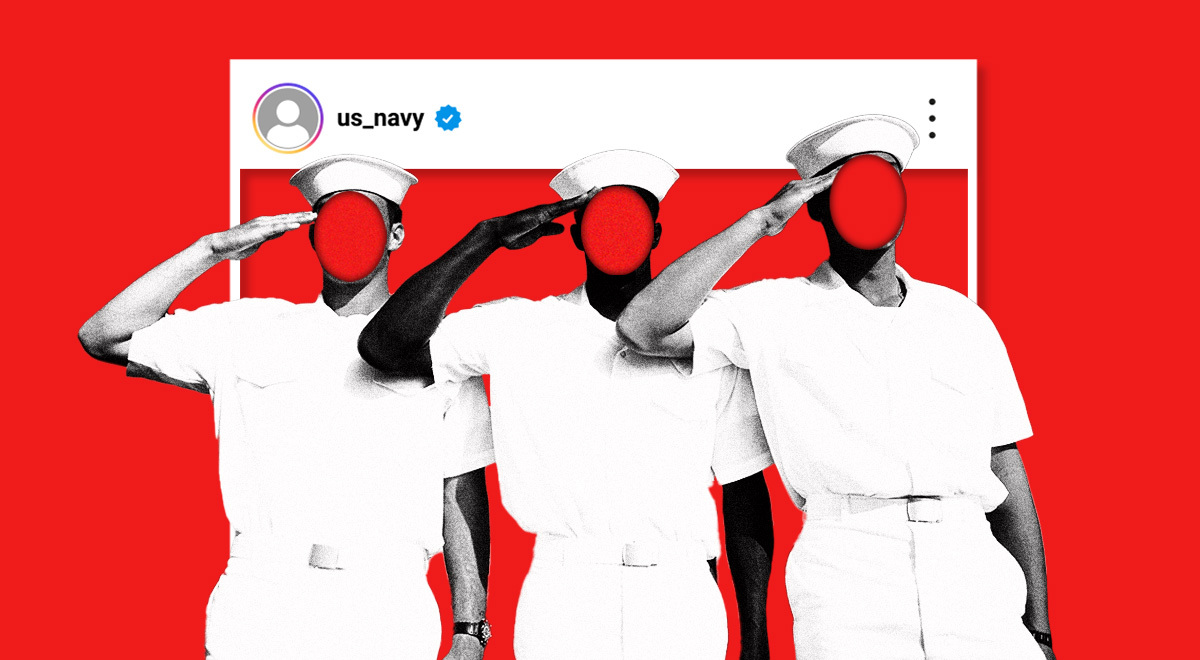
US Navy is asking personnel to clean up their socials. By Cybernews.

 Follow us
- The US Navy tells sailors and staff to remove public military ties from social media.
- NCIS says hostile actors are gathering data, harassing families, and using doxxing against Navy members.
- The warning follows Iran-linked cyberattacks and threats against US service members.
- Officials also urge personnel to report suspicious messages and possible imposter accounts.
Key Takeaways by nexos.ai, reviewed by Cybernews staff.
The US Navy is so worried about a “coordinated, multi-domain” campaign against its personnel and installations that it has officially ordered sailors and staff to scrub any information giving away their connection to the military from social media.
Since Operation Epic Fury, an American-Israeli joint military campaign against Iran, isn’t going too well, if only because there’s no end of the conflict in sight, the US Navy is now implementing an initiative called Epic Vigilance.
On the orders of Hung Cao, the acting Navy secretary, the Navy’s 340,000 active-duty, 58,000 reserve, and 210,000 workers are being asked to scrub their social media of military ties.
According to a notice posted by the Naval Criminal Investigative Service (NCIS), this “extreme” action is needed because “hostile actors are executing a coordinated, multi-domain campaign” against the US Navy.





Recent incidents across the globe demonstrate a clear growth in adversary tactics, techniques, and procedures,the NCIS notice reads.
“These are not isolated events; they are part of a deliberate effort to gather intelligence, test our defenses, disrupt our operations, and intimidate our force.”
Key threat vectors include direct threats and harassment targeting Navy personnel and their families via social media and other online platforms, including doxxing.
“Harden your personal and family security posture: Immediately review all social media accounts (including those of family members) for publicly available personal information,” says the NCIS.

Check if your data was exposed
Find out if your email and related personal information have appeared in known data breaches.
“Set profiles to private. Remove any information that could identify your connection to the
Department of Navy or reveal patterns of life. Adversaries are actively mining this data.”
Soldiers and staff should also report threatening or suspicious emails or social media posts by other service members or family members. They should also report what they think are imposter social media accounts of shipmates.
Iran-linked hackers have indeed been active. In July, they knocked a UK power plant offline for 4 days and launched a wave of coordinated cyberattacks targeting water and wastewater treatment systems across at least a dozen US states.

US troops posted to the combat zone should indeed be more careful online. In May, 2 American politicians confirmed that “hostile foreign adversaries” are using commercial location data to target US servicemembers.
That same month, Iranian hacking group Handala leaked data of thousands of US Marines’ identities before sending them WhatsApp messages suggesting they call home and make their final goodbyes.
“Your identities are fully known to our missile units, and every move you make is under our surveillance. Very soon, you will be targeted by our Shahed drones and Kheibar and Ghadeer missiles. We suggest you call your families now and say your final goodbyes,” reads one of the messages.
Operation Epic Fury, started February 28th, has already resulted in 18 US servicemembers killed and more than 750 wounded.
