US military disables ad trackers on troops’ phones over security concerns
Hostile foreign adversaries are using commercial location data to target American servicemembers.
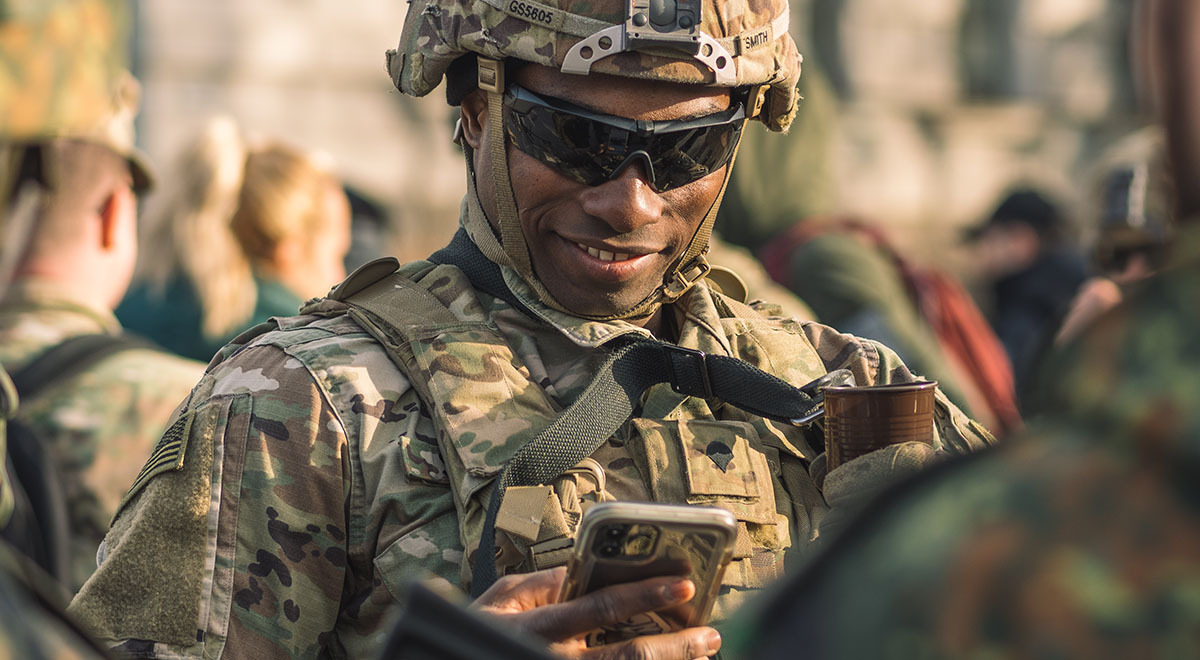
US military disables ad trackers on troops’ phones. By Shutterstock / Michele Ursi.

 Follow us
- The Air Force and Army disabled advertising identifiers on government computers and mobile phones used by service members.
- US Special Operations Command separately disabled advertising identifiers on its Windows devices.
- Lawmakers warn that data brokers can sell location data that may help adversaries track troops.
- Wyden and Harrigan want an investigation into whether personal devices still expose sensitive military locations.
Key Takeaways by nexos.ai, reviewed by Cybernews staff.
US military officials have confirmed that they have disabled ad trackers on a range of devices used by service members around the world, in letters released by Ron Wyden, the cybersecurity-focused US senator.
In May, Wyden and 13 other members of the US Congress revealed that adversaries targeted American troops in the Middle East using commercial location data, which can be harvested from phones and is sold by data brokers.
Back then, the Pentagon confirmed that US military personnel were allowed to use personal devices within operational areas – and that there was no policy to disable geolocation on their devices in active war zones.
But the pressure worked. The Air Force and the Army told Wyden it turned off the advertising identifiers on computers and mobile phones, and the US Special Operations Command separately said it had disabled them on its Windows devices.






The Navy, for example, told the members of Congress that it has “curtailed the ability of foreign adversaries to purchase bulk location data and metadata, which is frequently leveraged to track, profile, and target military and civilian personnel.”
“We commend these service branches for implementing this cybersecurity defensive best practice on government devices,” Wyden, an Oregon Democrat, and Harrigan, a North Carolina Republican, said in a press release.
Separately, Harrigan stressed: “It is insane that our enemies can pull out a credit card and buy data that could help them track American troops in a war zone.”

Check if your data was exposed
Find out if your email and related personal information have appeared in known data breaches.
In July, Reuters reported that some US troops in the Middle East could be ordered to surrender their phones since the videos they were posting on social media were helping Iran target US bases in the region.
Still, Wyden and Harrigan aren’t entirely happy. They’re asking for an investigation into whether the military has done everything it could to counter the dangers of the location data trade.
Besides, they cite recent reports regarding “the continued availability of commercial location data” originating from the Department of War’s facilities.
One “particularly alarming” possibility is that the commercial data originates from personal devices that service members and government contractors bring into restricted facilities and operational areas.
“If personal devices are identified as the primary source of this data, your office should recommend concrete policy changes to eliminate this vulnerability, enforce technical controls on personal devices in sensitive areas, and safeguard DoD personnel and OPSEC from commercial surveillance,” wrote Wyden and Harrigan.
Have thoughts about this topic? Others do, too. Join them in the discussion.
Another possibility, though, is that disabling the advertising ID is no longer sufficient on its own since data brokers can still capture, correlate, and monetize unique location data using other information collected from devices.
