Crying emoji tops charts on Android devices: here's what it means now
Younger generations are getting bored of emojis.
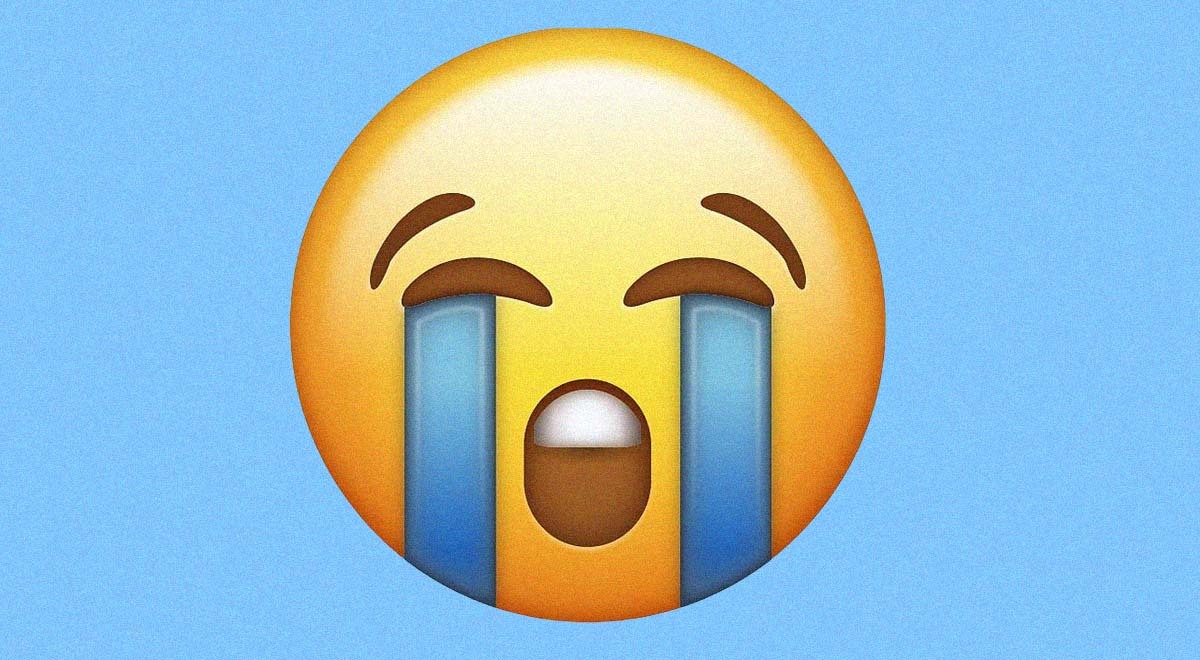
Crying emoji. By Cybernews

 Follow us
- The new emoji leader is being used when reacting to something that can be funny.
- Younger generations simply get bored of the same emojis.
- The wilted flower is now the fastest-growing emoji.
As emojis strengthen their position in our everyday lives, not only as a way to send a more precise message but also to form an identity, emoji charts have shifted once again, with younger generations leading the trends.
This time, 😭 became the world’s most-used emoji in 2025, overtaking 🤣 and 😂, according to an anonymous sample of 665 million emojis used worldwide on Google’s Gboard, shared with the New York Times.
The new emoji leader is being used when reacting to something that can be funny, emotional, embarrassing, or overwhelming.
Why were other emojis not enough to express the same emotions? Per the report, younger generations simply get bored of the same emojis, and once one or another symbol starts to feel "overused" or mainstream, they pivot to another one, attaching a wider range of emotions to it.




For example, the wilted flower (🥀) is now the fastest-rising emoji and is used to communicate sadness or heartbreak in ways that previously might have been expressed with the broken heart emoji (💔).



Stay updated with our latest stories and follow us on social media
Be the first to discover new stories, ideas, and updates from our team.
However, according to the New York Times, emoji usage becomes more stable with age, but this might create more miscommunication between generations. Or even among people of the same generation who fail to keep up with the latest trends.
Also, the results come only from Android users, and technically, it's not clear whether iPhone users behave exactly the same way or have their own specifics. What's more, all these trends might already be old news, as the data was collected through January 2026.
These trends are fluid and can change quickly, as they're influenced by diverse, sometimes niche audiences and subcultures before they hit the mainstream.
For example, the skull emoji, 💀, briefly overtook 😭 among teenagers as a way of saying something was extremely funny, then declined rapidly. Therefore, what is most popular today might be irrelevant tomorrow, and vice versa – currently unpopular emojis might rise in the ranks again.
What could we say 😭.