Google search in Europe is about to change
It may get worse, Google says.
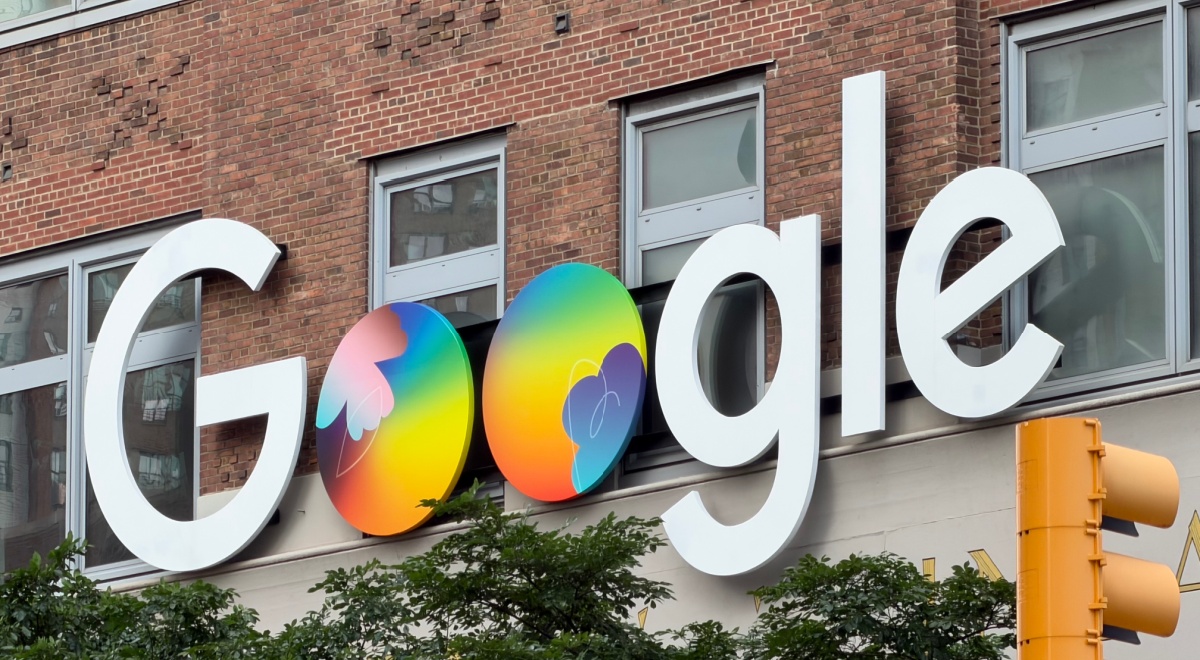
The Google logo and a traffic light in New York, NY. Photo by VCG/VCG via Getty Images

 Follow us
- Google is changing search results in the EU after regulators found it favored its own services.
- The European Commission fined Google €890 million for two Digital Markets Act violations.
- Travel and booking comparison services will get more prominent placement in Google Search results.
- Google says the changes will reduce search quality and hurt European businesses.
Key Takeaways by nexos.ai, reviewed by Cybernews staff.
Google is making adjustments to the way search results are displayed in the EU to satisfy European antitrust regulators.
In July 2026, the European Commission issued 2 fines against Google for infringing the Digital Markets Act (DMA).
The EU’s executive branch found that Google gave its own services preferential treatment in Google Search, such as shopping, hotels, transport, and sports results.
This was considered an infringement of the DMA because the rules dictate that very large online search engines, or VLOSEs, aren’t allowed to favor their own services over third-party services. Instead, they have to be transparent, fair, and non-discriminatory in ranking their search results.





For failing to comply with the EU’s antitrust rules and regulations, Google was fined €460 million.
On top of that, Google received an additional €430 million fine for preventing app developers from freely communicating with customers to inform them of alternative offers and to direct them to those offers to make a purchase.
The total amount of both fines came to €890 million.
Because Google didn’t want to risk periodic penalty payments of up to 5% of its global annual turnover, Google decided to make changes to its search results in Europe.
From now on, vertical search services such as Expedia and Booking.com will get more prominence in Google’s search engine results page (SERP).



Stay updated with our latest stories and follow us on social media
Be the first to discover new stories, ideas, and updates from our team.
The search results will highlight 1 specialized search engine at the top of the page, followed by 2 others with fewer details, while a carousel will sit below them with key features stripped out, such as real-time prices.
The rankings continue to be determined by Google’s search engine algorithm.
Nick Fox, Senior Vice President of Knowledge & Information at Google, claims that the changes will represent a step backwards that diminishes the user experience and will cost European companies money.
“These changes degrade the user experience for Europeans, boosting online intermediaries at the expense of local businesses, and removing helpful features people rely on every day. Users outside the EU will not be impacted by these changes,” he told Reuters.
According to Fox, the changes mark the largest reduction in quality of service at the world's most popular internet search engine in its 29-year search history.