Russian Starlink alternative satellites fail to reach operational altitude
Ukraine’s strikes against satellite production sites don’t help either.
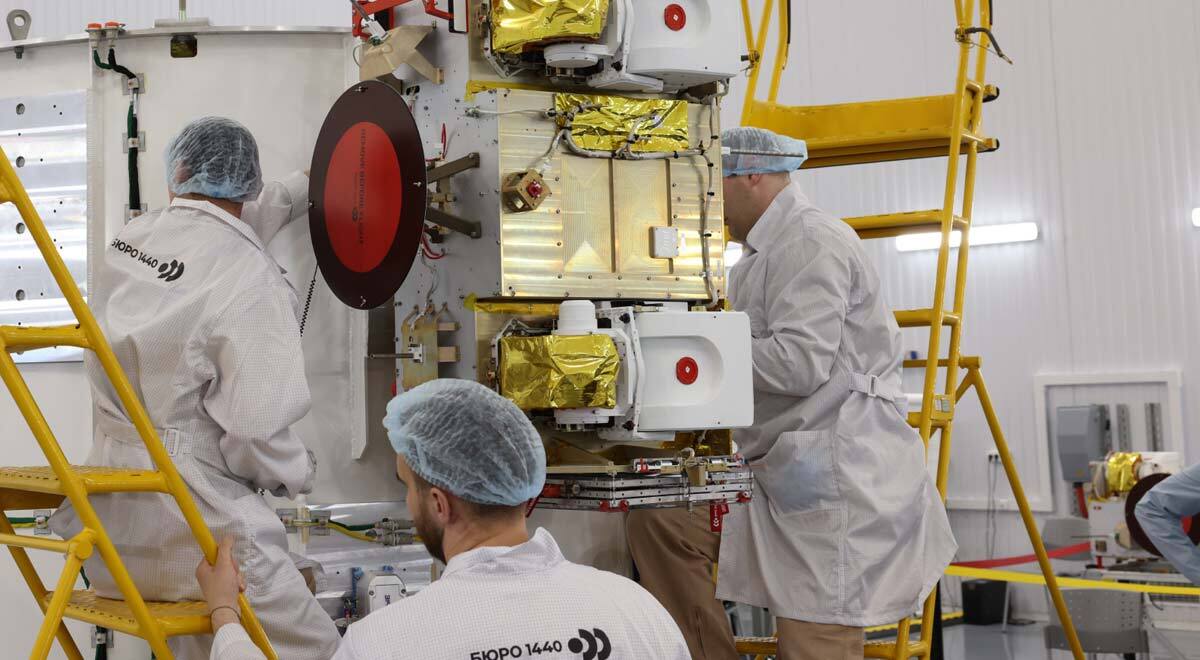
The launch of Rassvet. Image by Bureau 1440

 Follow us
- None of the 16 Rassvet satellites launched in July reached its planned operational altitude.
- Some satellites are losing altitude, and at least two are reportedly heading back into Earth’s atmosphere.
- Russia may need 200 to 300 satellites for stable, round-the-clock connectivity over Ukraine.
- Ukraine’s strikes on production and launch sites could further slow Russia’s Starlink alternative.
Key Takeaways by nexos.ai, reviewed by Cybernews staff.
All the Rassvet satellites launched in July failed to reach their operational altitude, with some now decaying in orbit or heading back to Earth.
A recent analysis by the Institute for the Study of War (ISW) suggests that the Rassvet satellite program, intended to serve as an alternative to SpaceXAI’s Starlink, is failing to achieve its goals.
None of the 16 satellites from the second batch, launched on July 19th, 2026, has reached its anticipated altitude of 342 miles (550 kilometers) as of August 31st, according to data from the live satellite tracker N2YO, which the ISW cites.
Many of these satellites ended up at altitudes between 186 and 248 miles (300 and 400km), falling far behind the intended 540-mile (870km) operational altitude.





In comparison, Starlink satellites orbit approximately 342 miles (550 km) above Earth and have a lifespan of approximately 5 years, according to SpaceXAI.
The ISW analysis suggests that some Rassvet satellites are experiencing orbital decay, or a gradual decrease in altitude. In addition, at least 2 satellites are reportedly heading for reentry into Earth’s atmosphere.




Stay updated with our latest stories and follow us on social media
Be the first to discover new stories, ideas, and updates from our team.
Orbiting at lower altitudes shorter operational lifespans of satellites due to increased atmospheric drag from upper layers of Earth’s atmosphere. Moreover, it requires greater fuel expenditure.
The previous batch of Rassvet showed more success, according to the ISW. Twelve of 16 satellites launched on March 24th had reached their anticipated altitude of 342 mi (550 km) and remained at that altitude as of August 31st.
The satellites provided Russian forces with two windows of connectivity with ground terminals for up to an hour and a half per day over Ukraine, where Moscow launched its full-scale invasion in 2022.
The ISW states that Russia will continue to struggle to create an alternative to the Starlink constellation unless it dramatically increases the number of successful Rassvet satellite launches.
According to some estimations, Moscow would need at least 200 to 300 satellites to achieve stable, 24/7 connectivity over Ukraine.
Meanwhile, Ukraine continues its strikes against Rassvet satellite production and launch sites, further threatening Moscow’s ability to establish a successful Starlink analog.
Starlink as a lifeline for the Ukrainian military
Starlink satellite constellation, which provides high-speed internet globally, has been vital for Ukraine’s defense and civilian communications amid constant outages.
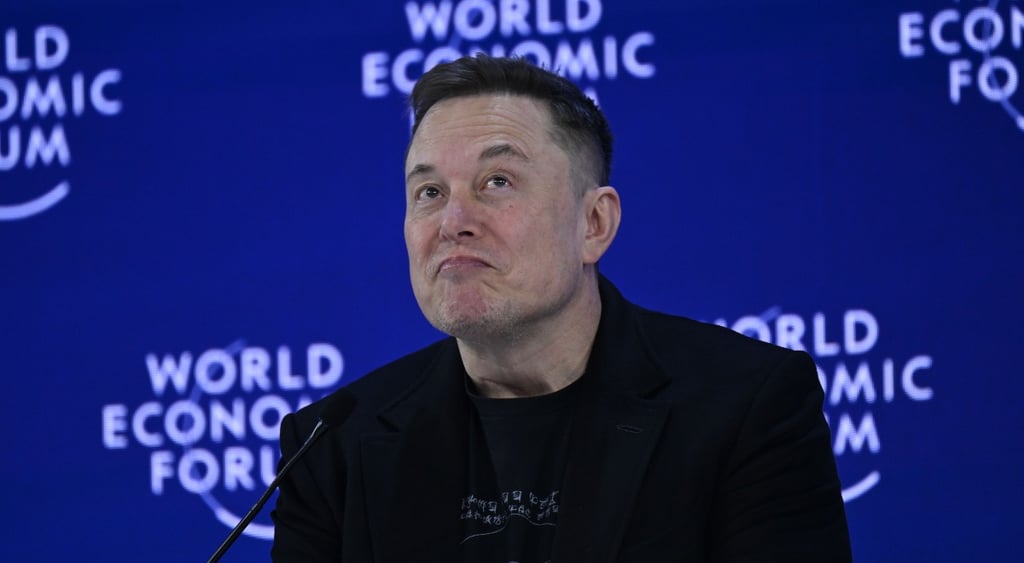
Ukraine’s president, Volodymyr Zelensky, awarded SpaceXAI founder and CEO Elon Musk with the Order of Freedom in 2026 for his “outstanding personal merits” in protecting human life and freedom.
However, the relationship between Musk and the Ukrainian government has been rocky, as the tech mogul previously criticized Zelensky.
Meanwhile, the Donald Trump administration threatened to cut off Ukraine's access to Starlink if Kyiv rejects an agreement on critical minerals.
Musk reportedly denied Ukraine’s request to provide Starlink coverage over Russian-occupied Crimea in 2022 as part of Kyiv’s counteroffensive, as he feared nuclear escalation.
Curious what others think about this story? Contribute your thoughts to the debate below.
Nevertheless, following the reports that Russian forces use Starlink connection obtained on the black market to power drone attacks against Ukraine, SpaceXAI acted swiftly to disable all terminals that are not authorized by Kyiv.
At the same time, Musk opposes Ukrainians’ use of Starlink to strike deep into Russia, as he doesn’t believe that this would help end the war, sources say.