South Carolina lieutenant fired for running over 2,700 unauthorized Flock searches
The searches involved 14 people, including the lieutenant himself.
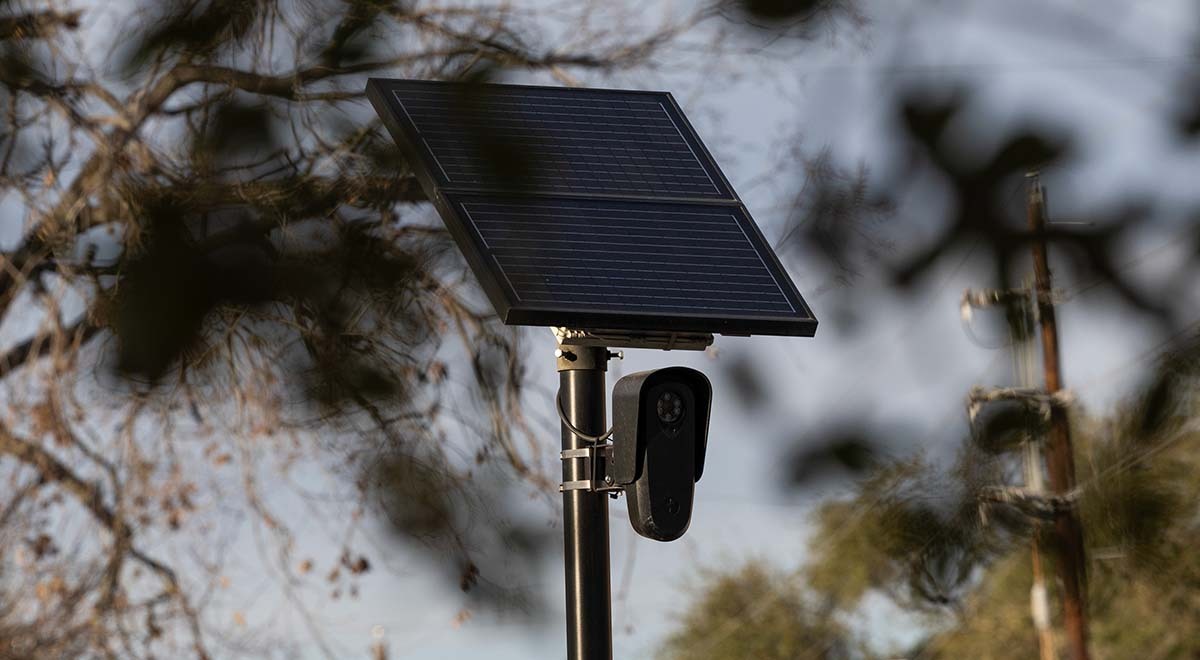
Image by Bloomberg via Getty Images

 Follow us
- Colleton County fired Lt. Ruben Carter after an audit found more than 2,700 unauthorized Flock searches.
- The searches targeted 14 people, including deputies, friends, former associates, and Carter himself.
- The sheriff’s office restricted Flock searches to its Communications Division to improve accountability.
- The case adds to privacy concerns over Flock’s nationwide license plate reader network and police misuse.
Key Takeaways by nexos.ai, reviewed by Cybernews staff.
An internal audit revealed that the Colleton County sheriff’s lieutenant conducted thousands of unauthorized searches in the Flock Safety automated license plate reader (ALPR) system.
Lt. Ruben Carter was terminated on August 20th, 2026, following the internal audit revealing over 2,700 instances of unauthorized Flock system use over a period of approximately a year, according to the sheriff’s office.
The searches involved 14 individuals, including Carter himself, deputies, friends, and former associates.



The Flock system misuse came to light after Flock Safety released and activated AI updates to the system on August 12th, 2026, enhancing its audit capabilities.
Prior to the update, audits were conducted manually by the captain assigned to the Criminal Investigations Division (CID).




Stay updated with our latest stories and follow us on social media
Be the first to discover new stories, ideas, and updates from our team.
The findings prompted the Colleton County Sheriff’s Office to implement policy changes to increase officer accountability when using Flock.
From now on, individual deputies will no longer have access to the Flock camera system. Instead, the Communications Division will be the only division authorized to conduct Flock searches.
Privacy and misuse concerns
The Flock ALPR system, whose 120,000 cameras are installed in 49 states, has come under intense scrutiny due to privacy concerns and growing cases of misuse.
A recent Washington Post investigation reveals that at least 46 officers were accused of using the Flock system to stalk women whom they are interested in romantically.
Since then, the number of Flock misuse reports has been rising.
A police officer in Haines City, Florida, was arrested in August after authorities found out he searched for his estranged wife’s vehicle in the Flock database 717 times during a period of nearly 2 years.
Flock ALPR cameras capture every passing car and use AI to catalog and analyze not only license plate numbers but also car models, colors, and other details. The system can identify details as small as bumper stickers.
The information is then uploaded to a searchable database and is available for other police departments connected to the Flock system.
Every time a car is captured by a Flock camera, it is automatically compared against “hotlists,” immediately notifying officers about a wanted car’s location.
Flock Safety CEO Garrett Langley acknowledged concerns about misuse in his recent appearance on the All-In podcast, linking the backlash against his company to distrust of the police in general.
Flock recently introduced its audit assistance tool because many police departments struggle to audit the large number of inquiries.
“It’s a mandatory feature you have to have turned on. We have to find these bad cops and get rid of them,” Langley said.