Dozens of officers accused of using Flock system to track women they know personally
“Don’t worry, I’m not tracking you or some weird stalker shit.”
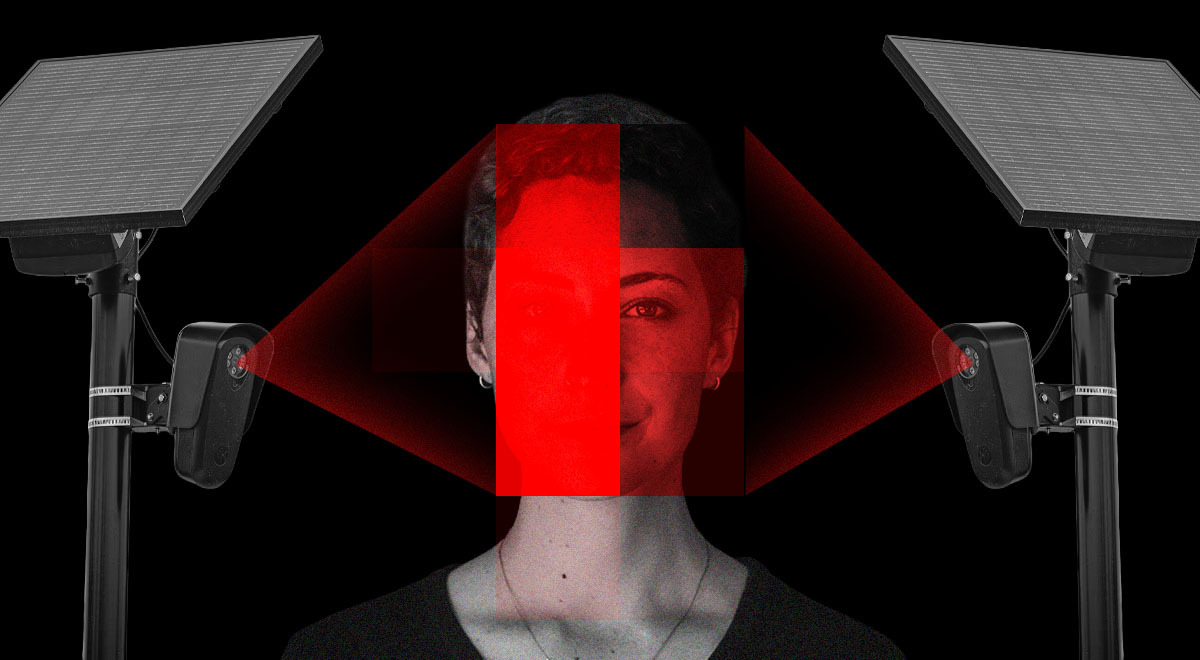
Image by Cybernews

 Follow us
- At least 50 US officers face accusations or charges of misusing license-plate readers, mostly involving Flock Safety’s system.
- Several cases involved officers allegedly tracking current or former romantic partners, raising concerns about stalking and abuse.
- Flock says misuse involves a small share of users and plans better tools to prevent abuse before it happens.
- Critics warn the camera network enables mass surveillance and warrantless searches, fueling lawsuits, protests, and vandalism.
Key Takeaways by nexos.ai, reviewed by Cybernews staff.
A growing number of police officers in the US are suspected of misusing license-plate reader systems.
License-plate reader systems are vital crime-solving tools, but they can also enable stalking, according to a Washington Post investigation that reviewed police and court records.
At least 50 officers across the US have been accused of or charged with misusing these systems, and Flock Safety’s Automatic License Plate Reader (ALPR) system was involved in 46 of those cases.
The Flock ALPR system captures every car that comes into its cameras’ view, recording license plate, timestamp, location, and direction of travel, and compares the information against data from law enforcement agencies.






If a suspect’s vehicle appears in the area, officers are notified via “Hot List” alerts.
But it’s not always criminals who are looked for in the system, which connects a network of 120,000 cameras across the country.
For instance, a police chief in Georgia used it to search for his ex-partner’s vehicle, repeatedly telling her he “looked up” where she had gone.




Stay updated with our latest stories and follow us on social media
Be the first to discover new stories, ideas, and updates from our team.
Over a period of more than a year, he logged 600 queries and admitted to the misuse of the system when confronted by her.
“Don’t worry, I’m not tracking you or some weird stalker shit,” his message reads.
The officer was arrested on charges of stalking, harassment, and license-plate-reader misuse, but committed suicide before a trial could take place.
In Kansas, a police chief was fired after tracking his ex through Flock and sneaking up on her while she was intimate with another man.
Flock’s audit logs are among the built-in controls that ensure transparency and accountability.
While some departments make them available through public records, they’re usually reviewed only after receiving complaints that prompt investigations.
Flock told The Washington Post that the company “will soon be announcing better filters and tools to stop abuse before it happens.”
The company previously said that officers who misuse the system represent only a small fraction of its 140,000 active users.
This isn’t the first time that Flock misuse, specifically targeting women, has been reported.
An officer resigned from the Milwaukee Police Department in March 2026 after allegedly using the network to track his romantic partner and one of the partner’s exes nearly 180 times over a 2-month period.
An officer in Menasha, Wisconsin, was placed on leave and charged with misconduct in office after his ex-partner filed a complaint with another police department alleging he had used Flock cameras to track her.
Growing backlash against Flock cameras
Critics say the Flock ALPR system enables mass surveillance, facilitates warrantless searches, and poses the risk of false positives.
The concerns were further heightened after 404 Media reported that a Texas officer used Flock’s network to track down a woman who had an abortion, which is illegal in the state.
The Sheriff’s Office denied the allegations, saying they were looking for a missing person.
The company’s CEO, Garrett Langley, says the system doesn’t violate the Fourth Amendment, which protects Americans from unreasonable searches and seizures.
“So far, in our belief and what will be for a long time, the courts have deemed this is not a warrantless search – this is a valid product as it relates to the Fourth Amendment. So I don’t see any change there,” he told The Drive.
Many aren’t convinced and resort to vandalism to express their opposition. A recent analysis by The Guardian identified at least 33 instances of people damaging, vandalizing, and destroying Flock cameras across 23 states.
Moderate forms of protest don’t always work either.
JARS Cannabis, a dispensary in Madison Heights, Michigan, faces “unspecified” sanctions from the city for blocking the Flock camera it was required to install with a “No Flock Zone” sign.