Waymo picks Singapore for Southeast Asia robotaxi debut
Your next ride in Singapore could have no driver.
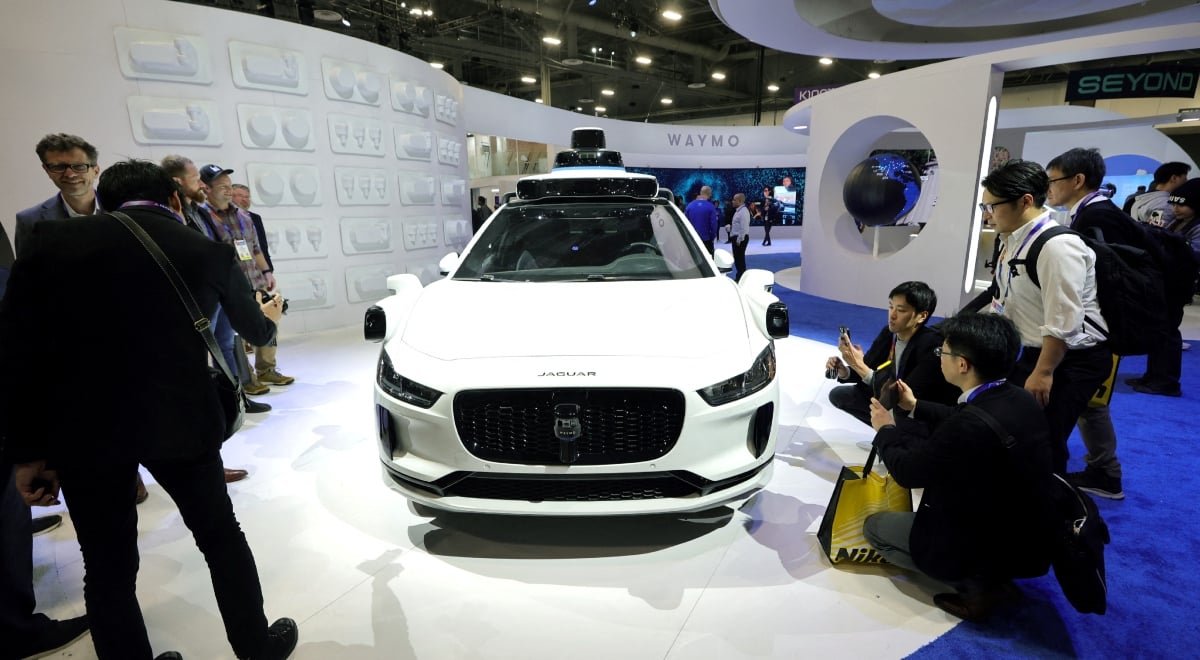
Jaguar I-Pace equipped with a Waymo autonomous driving system. REUTERS/Steve Marcus.
 Follow us
- Waymo plans to launch its all-electric autonomous ride-hailing service in Singapore in 2028.
- An initial Jaguar I-PACE fleet will arrive in Singapore in the coming months.
- Trained specialists will manually drive in 2027 to help the system learn local roads and monsoon weather.
- Singapore will become Waymo’s first Southeast Asian market as it also targets Tokyo in 2027.
Key Takeaways by nexos.ai, reviewed by Cybernews staff.
Alphabet's autonomous driving unit Waymo will roll out its autonomous all-electric ride-hailing service in Singapore by 2028, Waymo announced on Friday, marking its first entry into Southeast Asia.
Waymo said an initial fleet of all-electric Jaguar I-PACE vehicles will arrive in Singapore in the coming months.
In 2027, trained autonomous specialists will conduct initial manual driving to accustom the Waymo Driver to local road geometry and monsoon weather patterns.
Waymo expects the public launch to be in 2028.






Waymo is working with the Singapore transport ministry and the Land Transport Authority to bring its services into Singapore.
“Singapore welcomes Waymo’s entry as our newest autonomous vehicle operator. Waymo brings world-class technology and operational expertise to Singapore, and will move us towards our vision of creating new transport options for Singaporeans," said the Minister for Transport Jeffrey Siow.
This week, Waymo also announced it was aiming to launch Japan's first fully autonomous commercial taxi service in Tokyo in 2027.
Waymo, which was valued at $126 billion in February when it raised $16 billion, has been growing its robotaxi fleet as it competes with Amazon's Zoox and Tesla in the self-driving vehicle market.



Stay updated with our latest stories and follow us on social media
Be the first to discover new stories, ideas, and updates from our team.
However, the company has failed to avoid viral incidents where things went wrong. Cybernews previously reported on one of the company’s robotaxis hitting a child near California school during pick-up hours at a California elementary school.
The driverless cars have also been reported to drive into active crime scenes and blocking fire trucks.