Toilet maker Toto is flushing AI stereotypes down the drain
Forget chips. Think toilets, seasoning, glass.

The churn. Image by Cybernews.

 Follow us
- Japanese firms Toto, Ajinomoto, and Nittobo have become unexpected AI winners as their shares surged in 2026.
- The companies supply specialist materials used to manufacture and package advanced AI chips, rather than making chips themselves.
- Toto’s ceramics, Ajinomoto’s insulating film, and Nittobo’s glass materials support growing demand for AI servers and data centers.
- Their growth shows the AI boom benefits hidden suppliers across traditional industries, not only major technology companies.
Key Takeaways by nexos.ai, reviewed by Cybernews staff.
The AI gold rush isn't just enriching chip designers. A Japanese toilet maker, a seasoning giant, and a glass fiber specialist are proving that some of the industry's biggest winners come from the most unexpected places.
When picturing the AI boom, you might imagine giants like Nvidia, Amazon, or the Taiwanese Semiconductor Manufacturing Company.
However, something very interesting is happening in Japan. Three lesser-known companies named Toto, Nittobo, and Ajinomoto have become unlikely victors in AI, albeit in very different industries. Their shares have surged in 2026, rising roughly 78%, 63%, and 61% respectively.
Instead of building AI chips, they manufacture the specialist materials needed to produce and package those chips, and can be thought of as hidden suppliers.






Toto: the toilet brigade
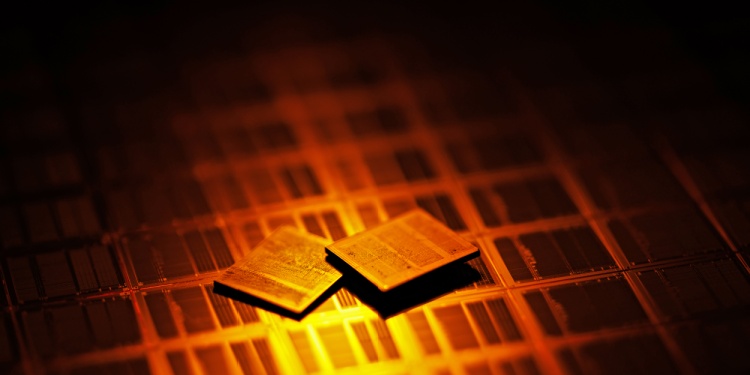
Most people in Japan and beyond know Toto for its luxury bidet toilets, but it also produces precision components from advanced ceramics.
Without these ultra-precise ceramic platforms, chip production would become significantly more difficult.
Toto’s advanced ceramics business grew revenue by 34% over the past financial year, while operating profit jumped 42%. And as there is an exponential rising demand in the AI sector, particularly for cloud computing, data centers, and advanced semiconductor equipment.
Refreshingly, despite the rapid expansion, Toto says it has no intention of abandoning its century-old bathroom business.
Executives argue that its traditional products provide stable income while its semiconductor business delivers faster growth.
Ajinomoto: from MSG to semiconductors
Have you ever noticed an aroma that hooks you into a food establishment? It’s probably because of monosodium glutamate (MSG), a seasoning used to enhance food.
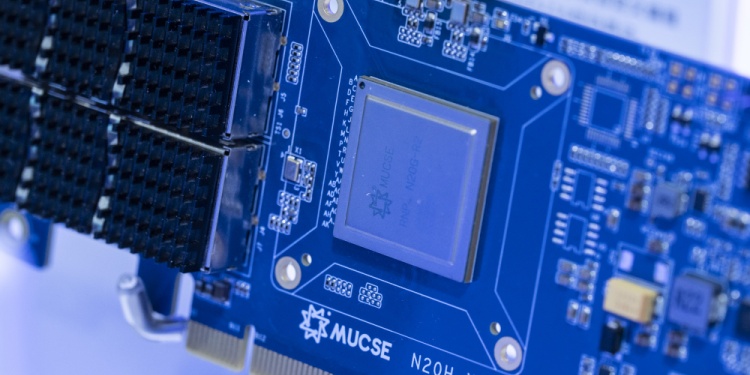
As it happens, Ajinomoto’s decades of research into amino acid chemistry unexpectedly led to technology that helped develop Ajinomoto Build-up Film (ABF), a key insulating material used in advanced semiconductor packaging.
As AI chips become more complex, demand for ABF continues to increase. Ajinomoto says AI and next-generation technologies, such as 5G, are driving long-term growth for the business.
Although food remains its largest business, semiconductor materials are increasingly valuable sources of profit.
And like Toto, the company aims to balance its traditional food operations with its growing AminoScience business.
Nittobo: glass fiber specialists
Nittobo is a century-old company based in Tokyo and is best known for its glass fiber, though it originally operated as a textile spinning company.
Manufacturing specialist glass materials used inside semiconductor packaging and electronic circuit boards, these materials help support the increasingly complex chips needed for AI servers.
Company executives now describe electronic materials as the main growth engine for the coming decade.
Revenue from its electronic materials division climbed more than 20%, while operating profit increased almost 40%.
Overall, every AI processor requires dozens of specialist materials that most consumers have never heard of. AI infrastructure continues to expand worldwide, and suppliers of critical materials could remain among the industry's quietest but most important winners.