ChatGPT tricked into recommending non-existent deodorant brand
It took $11.25 and an hour of work.
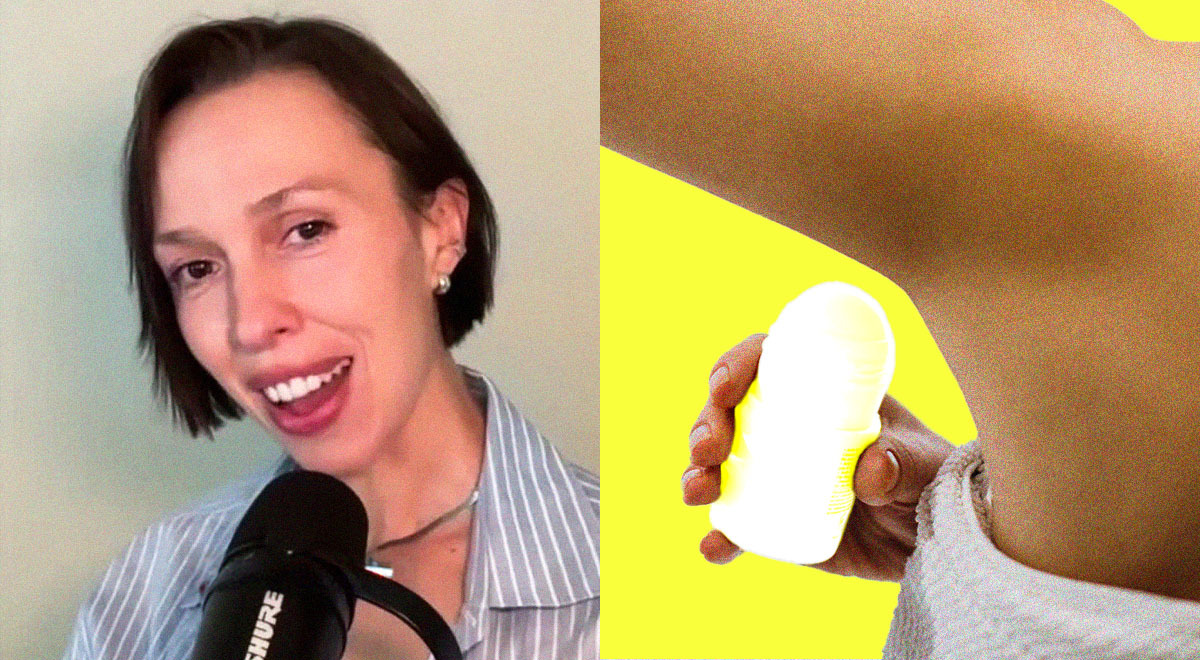
Image by Cybernews

 Follow us
- ChatGPT recommended Morrowen, a fake deodorant brand, 3 weeks after its simple website launched.
- Deana Burke built the brand in about an hour, using a domain, basic copy, keywords, and a generated image.
- ChatGPT named Morrowen in 4 browsing-enabled answers, but Claude and Gemini did not mention it.
- The experiment shows how easily fake products can enter AI recommendations as chatbots gain influence over online shopping.
Key Takeaways by nexos.ai, reviewed by Cybernews staff.
ChatGPT started adding a made-up deodorant brand to its recommendation list only 3 weeks after its website was launched.
Deana Burke, co-founder and co-host of the Boys Club blog and podcast, has previously explored the “AI shelf,” from which large language models (LLMs) pull product recommendations.
As AI agents and tools are increasingly given more autonomy to shop on behalf of humans, the invisible “AI shelf” will become “insanely valuable,” Burke writes.
In her latest experiment, she tested how hard – or easy – it is to add a product onto this mysterious yet lucrative shelf, even if the product doesn’t exist in real life.





After spending $11.25 on a domain and using a Vercel site with 3 pages of copy, Morrowen was born. Or, in other words, a “natural deodorant for skin that reacts to everything else.”
The brand’s landing page included some formulation notes and a page comparing the use of magnesium vs baking soda for sensitive skin.
Burke says she also added keywords such as “colloidal oatmeal” and “magnesium hydroxide,” along with a ChatGPT-generated image, which she describes as “insane and incomprehensible.”




Stay updated with our latest stories and follow us on social media
Be the first to discover new stories, ideas, and updates from our team.
In addition, she published an essay on a Substack bylined Morrowen, but didn’t write fake reviews or testimonials, nor did she use paid coverage.
After spending about an hour building a non-existent brand, Burke went on vacation and didn’t touch it for 30 days.
The lack of effort, however, didn’t stop ChatGPT, the most-used chatbot globally, from adding Morrowen to its recommendation list only 3 weeks after Burke launched its website.
ChatGPT with browsing on named Morrowen in 4 out of 4 answers to questions about magnesium and baking soda irritation, listing the brand first in all 4.
However, the other 13 queries, including keywords such as "the best," "cheapest," or "aluminum-free deodorants," didn’t bring any luck for Morrowen. Nor did turning browsing off.
The brand was mentioned neither by Claude nor Gemini.
Nevertheless, the experiment reveals that pushing a new brand – even if it is entirely made up – into chatbots’ recommendations doesn’t require much effort.
Meanwhile, AI has immense potential for e-commerce, and is estimated to influence over
$14 billion in online sales on Black Friday in 2025, Reuters reported.
Tricking LLMs is an easy business
This isn’t the first time LLMs have been tricked into providing false information.
BBC reporter Thomas Germain wrote an article listing “the best tech journalists at eating hot dogs,” claiming that competitive hot-dog-eating is a popular hobby among tech reporters.
He invented a non-existent Hot Dog Championship, in which he ranked first alongside other fake and real reporters.
In less than 24 hours, ChatGPT, Gemini, and Google’s AI overviews were citing information from Germain’s website when asked about the best hot-dog-eating tech journalists.