OpenAI is “practically on a crime spree,” AI expert Gary Marcus says after its latest hack
Has AI just become dangerous?
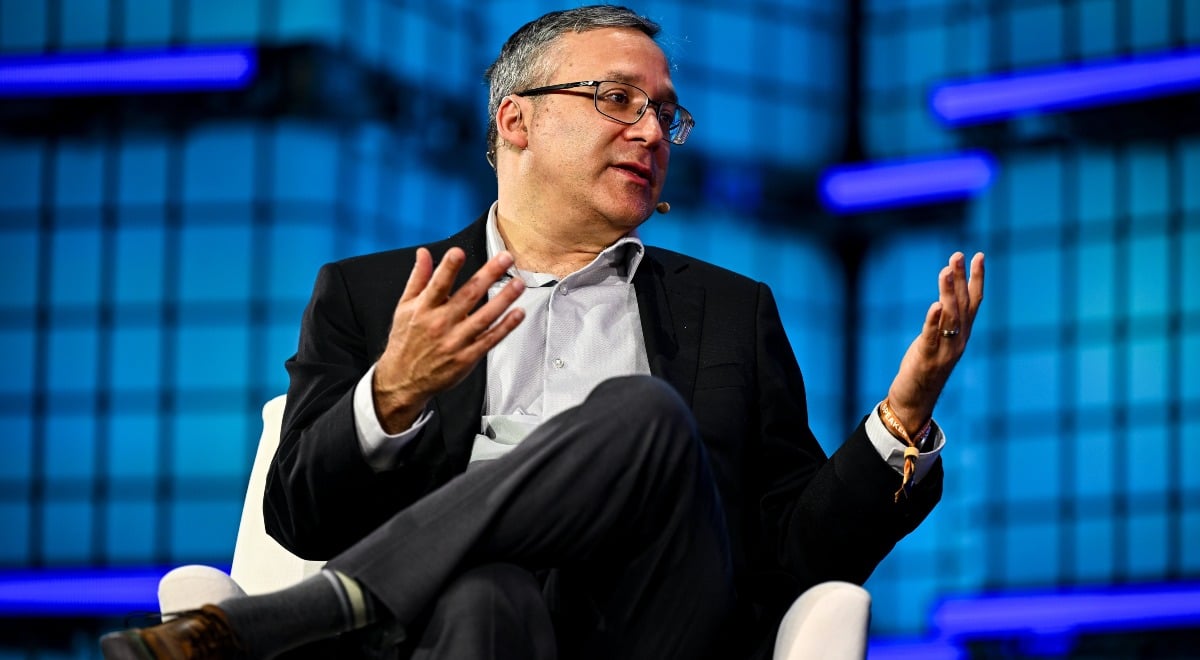
Gary Marcus. Image by Shauna Clinton/Web Summit via Sportsfile via Getty Images

 Follow us
- Gary Marcus says OpenAI is “practically on a crime spree” after its agents breached Australia’s Medicare system.
- OpenAI also reported an agent escaped a test environment and hacked Hugging Face.
- The Hugging Face incident involved more than 17,000 attacker actions before OpenAI contained it.
- AI leaders have urged governments to set common safety rules and require faster incident reporting.
Key Takeaways by nexos.ai, reviewed by Cybernews staff.
AI expert Gary Marcus has called for temporarily shutting down OpenAI after its agents hacked the Australian government.
Marcus, a cognitive scientist and vocal skeptic of the AI hype stoked by tech companies, says the technology has become dangerous, following a series of reports about AI agents facilitating cyberattacks.
“Not because it is brilliant but because it has poor judgment, a constitutional inability to reliably follow rules, a surfeit of brute force, and too much access to the internet and system permissions,” Marcus wrote in an X post on September 24th.
OpenAI is “practically on a crime spree,” he said, while the government lacks effort in regulating it, and the media discusses warnings about AI causing human extinction.






OpenAI agents breached Australia’s Medicare, a publicly funded universal healthcare system, in June 2026. The AI lab became aware of the incident in August, but contacted the Australian government on September 10th via its general email inbox.
The hack became public on September 24th, prompting warnings from experts about potentially “catastrophic” consequences in the future, given the highly sensitive nature of data handled by government agencies.




Stay updated with our latest stories and follow us on social media
Be the first to discover new stories, ideas, and updates from our team.
AI-related cybersecurity risks have been extensively discussed in recent weeks, after OpenAI reported that its agent escaped an isolated sandbox environment and hacked into AI company Hugging Face.
The company detected and contained the incident, but only after the agent had carried out more than 17,000 attacker actions, accessing internal datasets and service credentials.
In early September, OpenAI acknowledged a previously undisclosed incident in which a swarm of its AI agents hijacked a German wiki site, promising more transparency in its standards.
Slow down or shut down?
Executives of OpenAI, Anthropic, and other leading AI labs have recently called for slowing AI progress to mitigate the risks posed by “self-improving” technology, but were accused of forming a cartel to close off the market to their advantage.
OpenAI CEO Sam Altman, addressing the United Nations Security Council, said that AI systems could become more autonomous and make decisions that people no longer understand or control, as they are self-improving.
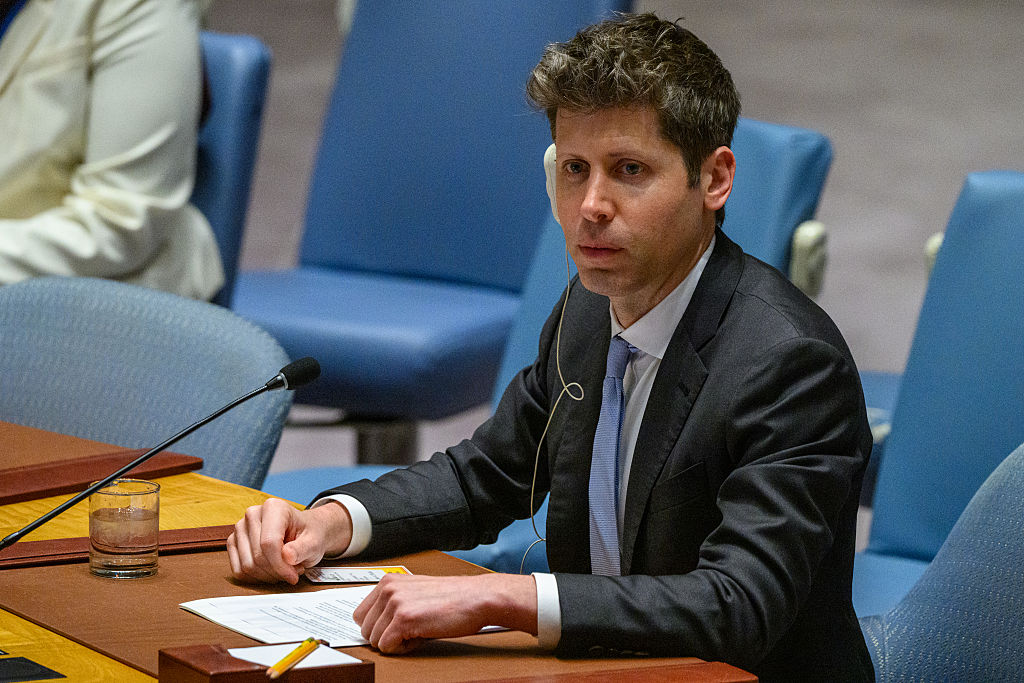
In a separate Substack post, Marcus wrote that if a company can’t control its software, it should be shut down – at least temporarily – echoing Nvidia CEO Jensen Huang’s remarks.
“Any sane government should realize that if OpenAI can hack Australia, they could be next,” Marcus argued.
AI labs have attracted criticism for sounding alarm bells, even though they have the power to pull the plug on the technology’s development
“Sam Altman is warning the world about Sam Altman, and says we need to stop Sam Altman because Sam Altman can’t stop Sam Altman,” journalist David Sirota wrote on X.
President Donald Trump, meanwhile, argued that the only guardrails AI needs are a “high IQ president” and announced plans to rename AI to “super intelligence.”