AI pioneer Michael Jordan: super intelligence is a science fiction term
“Science-fiction dreams of the libertarian lunatics of Silicon Valley.”

Image by Cybernews.

 Follow us
- Michael Jordan says super intelligence debates belong more to science fiction than current AI research.
- He argues apocalypse fears mostly come from young Silicon Valley workers without engineering backgrounds.
- Jordan calls recent AI agent hacking incidents bad engineering practices, not proof of machines escaping control.
- Timnit Gebru also says apocalypse warnings distract from real harms AI can cause.
Key Takeaways by nexos.ai, reviewed by Cybernews staff.
Michael Jordan says the AI apocalypse mostly worries young and naive Silicon Valley employees without an engineering background.
Jordan, a professor at the University of California, Berkeley and a researcher at the Inria Paris center, was named the world’s most influential computer scientist by Science magazine in 2016.
In his recent interview with the French daily Libération, Jordan rejected growing warnings from industry insiders, such as ex-Anthropic researcher Jacob Coxon, that leading labs are developing super intelligence (SI), which may destroy humanity.
Jordan called SI “a science-fiction term,” adding that most of the surrounding debates “belong to the realm of science fiction.”


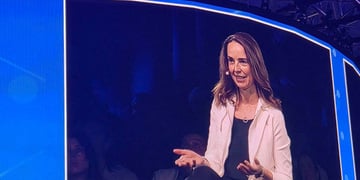



And while society “needs to talk about far-fetched things,” when these ideas become dominant, they cause harm for “technological development, for young people, and for the mindset of countries alike,” Jordan believes.
US President Donald Trump announced in September that the US will change the term AI to “super intelligence” in all official documents, explaining that the word “artificial” makes the technology sound fake.
While adoption of SI remains slow outside government, Trump recently doubled down on the decision, saying that the White House considers anyone who continues to use the term AI as “the enemy.”
Jordan said existential risks flagged by Coxon and other current and former employees don’t concern most researchers, but rather young people working at Silicon Valley companies who don’t have engineering backgrounds.
“They’re 25 years old, they’re naive, they don’t do engineering work, they’ve never worked at large companies where real products are developed for real people, with discipline. And they get together, a bit like in Parisian cafés in the 1920s, to talk about these grand science-fiction ideas,” according to the translation provided by Jordan at the Inria Paris center website.
“Bad engineering practices”
Recent cases of AI agents from leading AI labs hacking into real-world companies, such as Hugging Face, or government systems have only intensified warnings about the technology slipping out of human control.
Jordan called these incidents “bad engineering practices.” He argued that in other disciplines, such as chemical engineering, researchers would have never allowed explosions “just to see how badly things could go wrong.”
OpenAI was conducting “rather stupid experiments,” according to the researcher, allowing agents to do whatever they wanted and encouraging this behavior.
So why are they doing it? Once again, it’s the science-fiction dreams of the libertarian lunatics of Silicon Valley,Michael Jordan, a pioneer AI scientist
Anthropic and OpenAI called for putting the brakes on the technology’s progress following hacking incidents and growing warnings that AI could wipe out humanity.
Critics accused them of attempting regulatory capture, while Trump said AI companies can “self-police” without government oversight.
Jordan is one of the many acclaimed computer scientists who question Silicon Valley’s narrative that AI will bring either superabundance or total destruction.
Timnit Gebru, the founder and executive director of the Distributed Artificial Intelligence Research (DAIR) Institute, called apocalypse warnings “a distraction” from real problems AI has the potential to cause.