Trump warns of ‘very negative forces’ as AI safety debate grows
But who are the 'very negative forces'?

 Follow us
- Trump rejected calls to slow AI development, calling critics “very negative forces” and stressing the need for US leadership over China.
- AI leaders are taking a different view: Anthropic CEO Dario Amodei urged companies to slow development, with Elon Musk and Sam Altman backing his proposal.
- Amodei warned that US-China competition makes slowing AI difficult, saying countries may fear losing military and economic advantages.
- The debate is spreading beyond the tech industry, with researchers and former President Barack Obama calling for stronger international cooperation and clearer AI rules.
Key Takeaways by nexos.ai, reviewed by Cybernews staff.
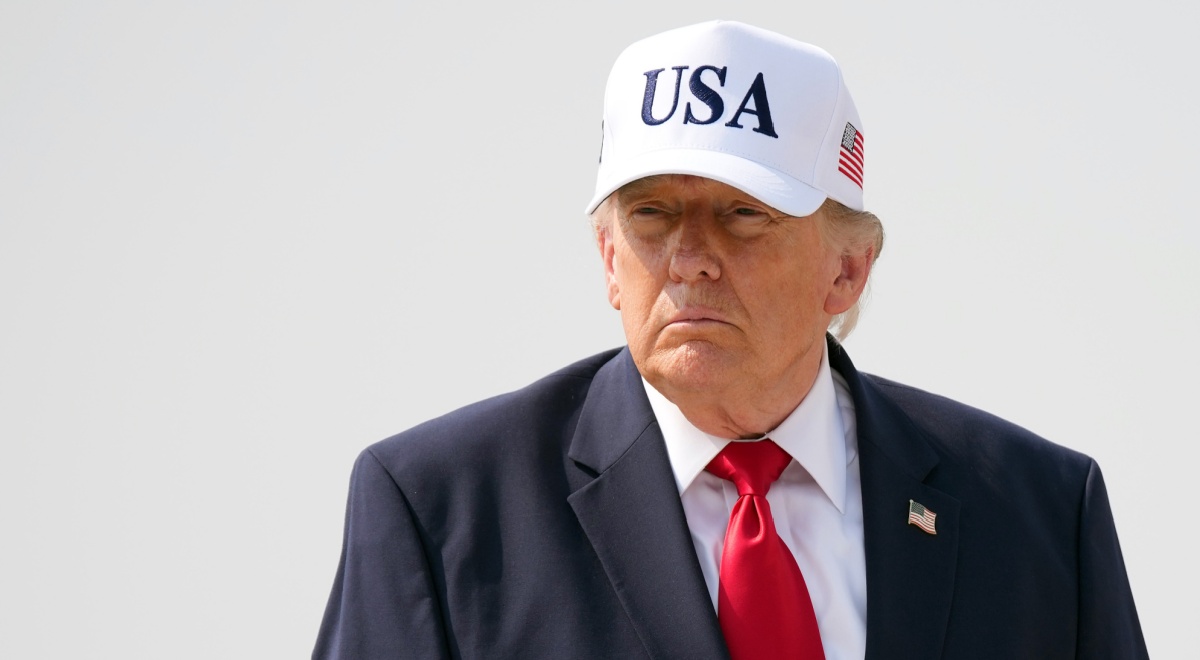
US President Donald Trump on Sunday likened critics of artificial intelligence to "very negative forces" bringing up scenarios that will not happen, and said he wanted to make sure that the US remains the industry leader.
"We're leading China in AI. We're the most sophisticated country in the world, and frankly I want to keep it that way because whoever wins AI wins," Trump told reporters at his Ireland golf course, when asked if the AI industry should slow down or be more regulated.
"We could put guardrails. We can do this and that. But I think you have a lot of very negative forces that are bringing it up that shouldn't be bringing it up and they're bringing up things that won't happen."
Trump has resisted stirring concerns about AI.




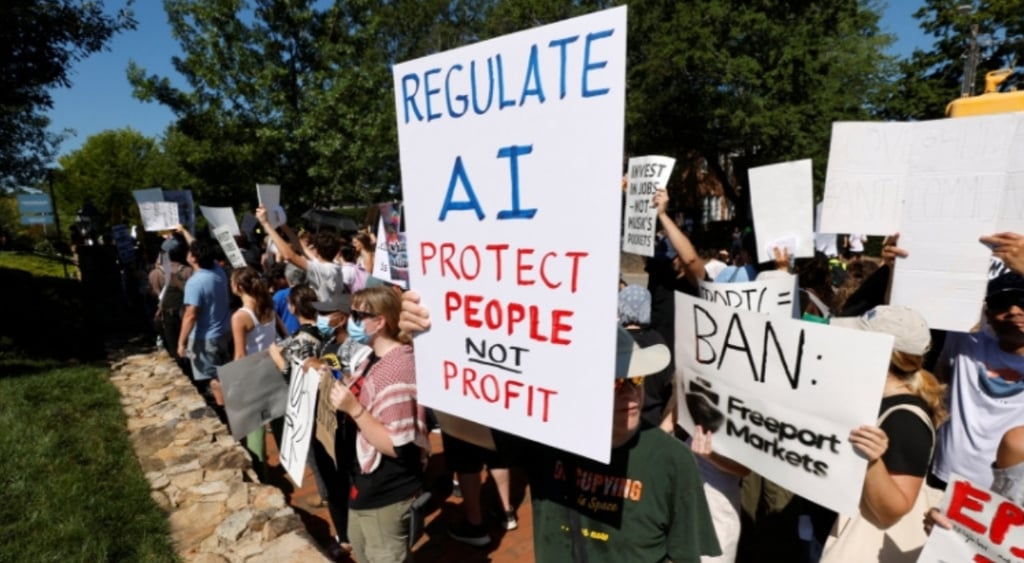
The public debate about AI has heated up in the US after two Anthropic researchers issued warnings that the rapidly progressing technology could lead to the extinction of the human race in the not-too-distant future.
In his second term, Trump's administration has largely embraced AI firms. These AI leaders and other technology companies have also supported Trump's initiatives.
AI executives have poured money into the midterm campaign ahead of the November 3 election that will determine control of Congress. SpaceX CEO Elon Musk's super PAC, America PAC, has already spent millions backing Republican candidates and is expected to play a major role in voter turnout efforts this fall.



Stay updated with our latest stories and follow us on social media
Be the first to discover new stories, ideas, and updates from our team.
The Pentagon this year warned of risks from Anthropic's model.
After the researcher warnings, some AI CEOs are pushing for slowing advancement of the models.
On Saturday, Anthropic CEO Dario Amodei outlined a three-step framework intended to pace development and create more time to manage its risks.The proposal immediately received endorsements from several other executives at major AI companies, including Musk and OpenAI CEO Sam Altman.
Dario is right
undefined Elon Musk (@elonmusk) September 12, 2026
In an interview that aired Sunday on the CBS program "Face the Nation with Margaret Brennan," Amodei said the competition between US and Chinese AI companies was the "toughest dilemma" in trying to establish a "speed limit" on the rate of AI development.
Curious what others think about this story? Contribute your thoughts to the debate below.
"We shouldn't kid ourselves, because the incentives to pull ahead and the military advantage that you get from that are so large that the ability to check that the other side isn't cheating has to be ironclad," he said. "So I think that's going to be the work of years, and honestly, I don't know if it's possible."
Jacob Coxon, one of the Anthropic researchers who resigned and then issued the warnings, pushed for the US to work with other countries to ensure pace.
"I feel we need international coordination, or else we risk running the same race with China, which could be equally dangerous,"Coxon said on NBC's Meet the Press.
Cybernews reported on Sunday that former US President Barack Obama has raised his concerns over AI. He warned that the technology is moving extremely quickly “in private hands” and could be “dangerous” if mismanaged.
Obama encouraged Democrats to prioritize the issue and develop a clear policy framework for addressing AI risks.