Why people are lining up to work in data centers
Big tech wages without the big tech skills.
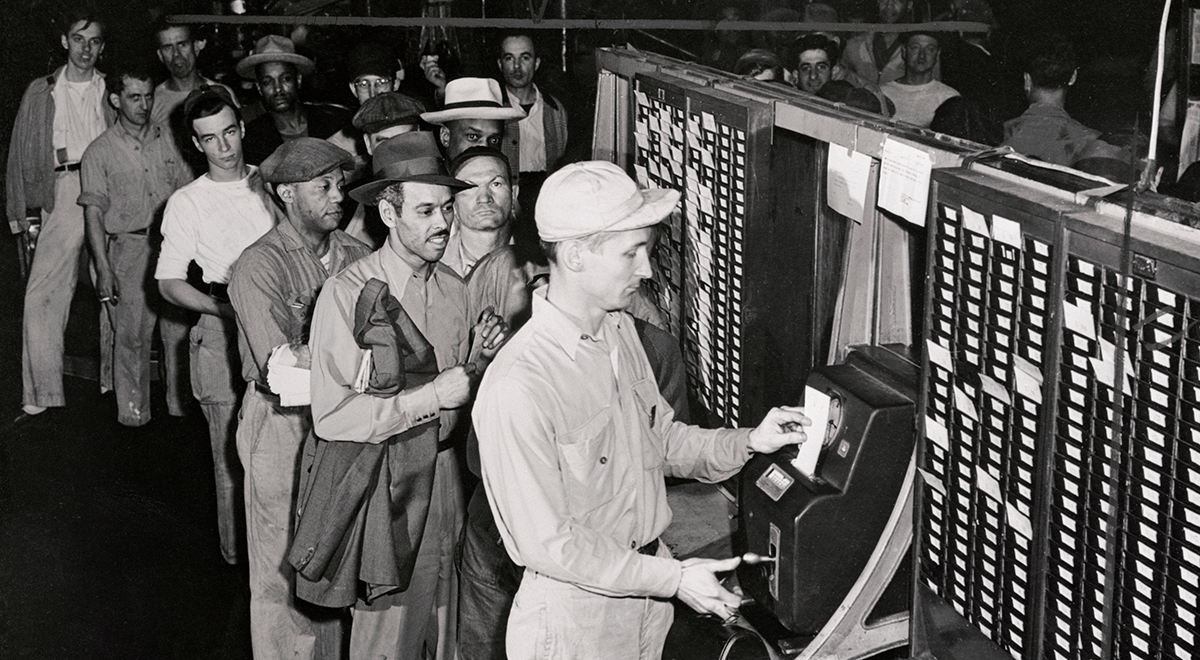
Time clock at Ford 1954. By GettyImages

 Follow us
- Data center job ads have more than doubled in two years, even as overall US job postings fell.
- Workers are drawn by higher pay, safer conditions, and access to big tech jobs without needing coding degrees.
- Indeed says hourly installation and maintenance roles in data centers pay 42% more than similar jobs elsewhere.
- Communities remain concerned about power and water use, while researchers say local job gains are often modest.
Key Takeaways by nexos.ai, reviewed by Cybernews staff.
While data centers face public opprobrium, they’re a major employer for many.
Data centers are rapidly becoming the least popular buildings in America. A June poll found that 57% of Americans would oppose one being built nearby, and 77% were worried that the AI-driven construction boom would raise their electricity bills.
In July, opponents held 142 protests across 42 states, demanding safeguards over water, power, and local decision-making.
But to say everyone hates the windowless warehouses would be wrong – people are itching to get inside them for gainful employment.






US data center job advertisements have more than doubled in the past 2 years, according to an analysis published by Indeed Hiring Lab in July. Six of every 1,000 vacancies on the site are now linked to data centers, up from 2 in 1,000 in mid-2023, even as total US postings fell by roughly 12%. The 10 largest technology companies account for 71% of those vacancies.
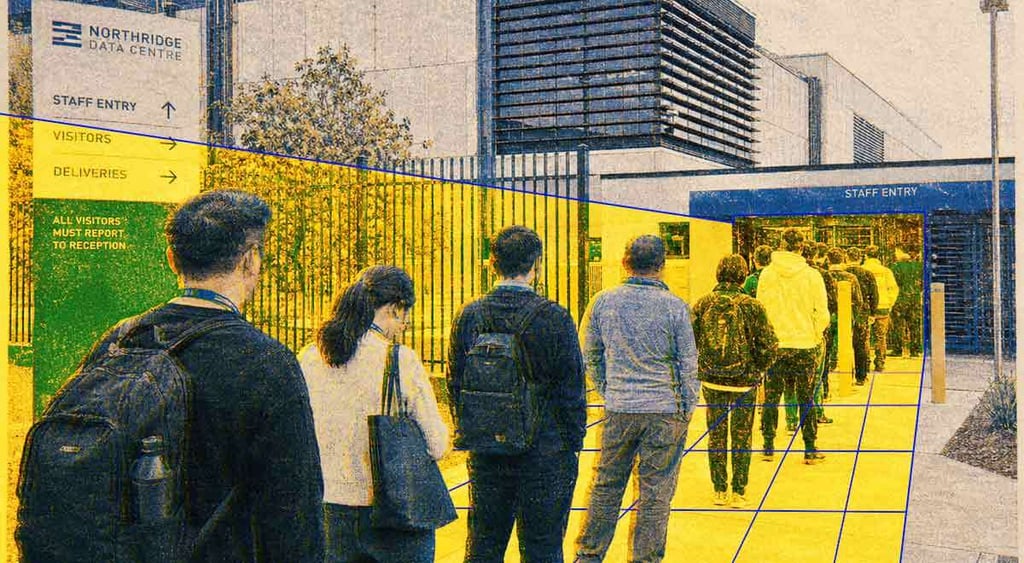
One hand giveth, the other taketh away
While AI is being presented as a threat to some office jobs, the physical infrastructure beneath it requires electricians, engineers, and technicians to install cabling, keep cooling systems running, and replace failed servers.
Job site Indeed found that IT infrastructure and support roles, alongside installation and maintenance jobs, make up half of data center postings. Around a quarter are for installation and maintenance workers alone.
Data center construction also brings demand for electricians, welders, pipefitters, and project managers, while operational facilities require network technicians, security staff, and specialists able to maintain generators, batteries, and fire-suppression systems.
For those lucky enough to get in on the ground floor, it’s a boon. The jobs don’t generally require the computer science degree traditionally associated with working for big technology companies, while getting some of the benefits.
Reddit’s r/datacenter forum is filled with construction workers, military veterans, and people from other industrial jobs asking how to break in. One 36-year-old career changer recently described moving from construction and telecoms, studying cloud computing and network engineering, then securing a technician position at Google.
New job, new lease on life
One poster who moved from a metal refinery into data center operations called it “the best thing I’ve done professionally.” Their salary was around 45% higher than in other jobs for which they were qualified, while their time at home had tripled.
Another former refinery worker said the pay was higher, the workload smaller, and the environment safer and more comfortable: “For the first time in my life, I go to work not worried I might die today.”
Those aren’t anecdotal stories. Indeed found hourly installation and maintenance roles inside data centers advertised pay 42% higher than comparable work elsewhere – some $10 more or so an hour. Annual salaries secured a 12% premium.
The conversation on this topic is live. Join in the discussion.
And the rising tide seems to float a lot of boats: US data center employment rose from 306,000 workers in 2016 to 501,000 in 2023, according to the US Census Bureau.
The money is good, but the jobs are not effortless. One Reddit contributor warned that the pattern can be difficult for workers with children, while advancement at large operators can move at “a snail’s pace.”
True job security?
Nor do data centers create as many permanent local jobs as their enormous size might suggest. Brookings Institution researchers found that industry-friendly estimates can overstate employment effects threefold.
But the reality is a little different. A single facility produces modest gains, according to independent research. The larger, lasting benefits tend to appear only where several centers form a cluster.
And in many ways, that’s a microcosm of the broader debate around data centers. Communities can and do reasonably question whether data centers consume too much power and water for the number of jobs they provide. But for workers who secure one of those jobs, the same buildings can offer better pay, safer conditions, and a route into big tech that does not begin with learning to code.



Stay updated with our latest stories and follow us on social media
Be the first to discover new stories, ideas, and updates from our team.