How to keep your child safe at Disney World: a parent’s complete guide
Being behind major reports like The Mother of All Breaches and RockYou2024, our in-house cybersecurity experts and journalists provide unbiased, real-world testing and in-depth analysis.
We maintain complete transparency by openly sharing our testing methodologies with our audience.
Learn more
Disney World reportedly sees a dozen children separated from their parents daily. Whatever the real figure is, it makes sense – Disney World is enormous, and tens of thousands of overstimulated, fast-moving families cram into it all day long.
So, is Disney World perfectly safe or secretly dangerous? In my experience, it’s neither. Disney World is a park built for families, staffed by people trained to help them, and equipped with real systems for exactly the moments parents worry about most. It’s also enormous, loud, and full of distractions.
From my point of view, that’s a recipe for a two-second glance away turning into a ten-minute search. The chances that something bad will happen are slim, but knowing how to keep your child safe at Disney World is about understanding that specific kind of environment, minimizing risk, and planning around it.
This guide covers what actually causes kids to get separated, what to teach them before they walk through the gates, what you can personally do to avoid possible scares by knowing exactly where your child is in a huge crowd, and most importantly, what to do if you separate. I’m not here to fear-monger, just to provide a way for you to feel at peace throughout your visit to Disney World.

Is Disney World safe for children?
Disney World is generally safe for children. The place is designed, staffed, and run with families as the default customer in mind, not an afterthought. Every park has cast members trained specifically on how to handle a lost or separated child, dedicated baby care centers and guest relations locations for reuniting families, plus decades of experience managing exactly these kinds of situations at scale.
However, you should not treat safe and risk-free as the same thing. Disney World is about as safe as a massive, crowded destination can be – no environment with tens of thousands of daily guests, constant motion, and sensory overload for kids is going to be completely free of risk.
I’d rather reframe the whole conversation. The real value isn’t in debating whether Disney is dangerous, because it isn’t, in any meaningful sense. The more useful thing to focus on is how prepared your family actually is for a high-traffic environment where your child is overstimulated, walking fast, and surrounded by thousands of strangers.
That’s a planning problem, not a danger problem. And planning problems are the kind you can actually solve before you ever get to the park.
The most common ways kids get separated at Disney World
Here’s what I think many parents get wrong going in: they picture losing a child as some dramatic, careless moment. In reality, it almost always happens in the most mundane five seconds of the day.
A few scenarios I’ve either lived through with my friends or heard about constantly from other parents:
- A ride unloads and everyone funnels out through a different exit than expected, and suddenly you’re not sure if your kid went left or right
- One parent takes an older kid to the restroom while the other assumes they’ve got the younger one, and neither actually does
- Fireworks or a parade end and a wall of people starts moving at once, swallowing a small child in seconds
- A family boards a bus, monorail, or ferry, and not everyone makes it on before the doors close
- A kid spots a character, a shop window, or a cart selling sweet treats and simply drifts toward it while you’re checking a map
Truth be told, none of these involve anyone being careless. That’s just what happens when you combine tired, excited kids with huge crowds and constant motion. Once you see separation as a normal occurrence instead of a parenting failure, it gets a lot easier to plan around it instead of just hoping it won’t happen to you.
What to teach your child before you enter the park
If there’s one section of this guide I’d tell you to actually act on, it’s this one. A five-minute conversation at breakfast with your children can make a massive difference in how a possible separation plays out.
Before you head into the park each morning, run through this with your kids:
- Know a parent’s full name. Not just mommy or daddy, but a full first and last name, since Disney World cast members need something searchable.
- Recognize a cast member. Teach kids that anyone in an official Disney uniform with a name tag is safe to approach and ask for help. Make sure the kids are aware of what the Disney World uniform looks like.
- Stay put if lost. Moving around actually makes reunions take longer. Teach your child to stop where they are, or go to the nearest cast member, rather than wandering to look for you.
- Stranger danger. Make it explicit: your kid should never leave an area with anyone except you, another approved adult, or a cast member walking them to a designated safe space.
- Wear some form of ID if age-appropriate. A wristband or clip-on tag with a parent’s first name and cell number is low-effort and genuinely useful without needing to include last names or home addresses.
One habit I genuinely recommend to every parent: take a quick photo of each kid on your phone every single morning before you leave the hotel room. Same clothes they’re wearing that day, current haircut, whatever backpack or hat they’ve got on. If you ever do need to describe your child to a Disney World staff member, showing an exact picture beats trying to remember the color of their shirt every time.
How to keep track of your child in a crowded park
Assuming nobody gets separated, the real day-to-day challenge is just keeping visual and physical tabs on your group in a park that’s actively working against you with crowds, noise, and a hundred visual distractions per minute.
A few things that have actually worked for me in the past:
- Dress for visibility. Matching shirts may sound corny, but bright, easy-to-spot colors make a real difference when you’re scanning a crowd for a 4-foot-tall person. You don’t need matching outfits, but avoid head-to-toe neutrals that blend into every other family.
- Set a meeting point before you split up. In some instances, one parent rides Space Mountain while the other waits with a toddler. When situations like that happen, before you split up, make sure to agree on a landmark meeting spot and a rough time. For example, agreeing on something like the bench by the ice cream stand, back in 20 minutes, removes a lot of guesswork.
- Use the buddy system for older kids. If you’ve got tweens or teens who want some independence at Disney World, pair them up rather than letting anyone go solo, and set a check-in cadence.
- Build in routine check-ins. Even without anyone splitting up, a quick head count after every ride, meal, and bathroom stop catches problems before they start.
- Lean on location sharing for older kids with phones. If your kids are old enough to carry a phone, location tracking is genuinely one of the most helpful tools in your pocket. It doesn’t replace the habits above, but backs them up.
Child location tracking at Disney World: helpful tool or overkill?
I’ll be honest: I think this is where a lot of parents either go all-in on tech and skip the fundamentals, or dismiss location tracking entirely as unnecessary hovering. Neither extreme is right.
In a backyard or a small neighborhood, I don’t think you need to track a kid’s location, as line of sight and shouting distance cover it. However, Disney World is very different from your local neighbourhood. We’re talking about parks that span hundreds of acres, tens of thousands of daily guests, and layouts specifically designed to be immersive and disorienting.
In that specific environment, knowing roughly where your teenager or tween is – without needing to call or text every twenty minutes – genuinely reduces stress for everyone involved.
Many top prenatal control apps act as location-sharing apps. One of them is HeyPolo, and it lets you check a map, set up alerts for when someone reaches an agreed meeting spot, and quickly locate a group member if plans change on the fly. That kind of passive visibility means you can let a teenager wander toward a shop or a ride on their own without spending the whole time wondering where they ended up.
However, keep in mind that tracking is not a substitute for the basics. A location pin doesn’t teach a 6-year-old to find a cast member. It doesn’t stop a crowd from separating your family during fireworks. Think of location tracking as a supporting tool: it’s one of the more practical additions you can make to a Disney World trip.
How HeyPolo helps families stay connected at Disney World
Imagine a normal Disney day. One parent takes a toddler to the restroom while the other holds the spot in line. Your teenager wants to check out a shop solo for ten minutes. Grandma and grandpa peel off to grab a bench and a lemonade while the rest of you tackle one more ride. None of these are emergencies, just normal activities of a big family day. But they’re also exactly the moments where you eventually ask yourself where everyone else is.
HeyPolo is built for exactly the scenarios I’ve outlined: a family that splits up temporarily in a crowded place and needs an easy way to find each other again. It’s also risk-free to try: HeyPolo pricing starts from just $1.99/month, one subscription covers your whole family, and it comes with a 30-day money-back guarantee, plus a free trial (3 days on a monthly plan, 7 days on an annual) that’s more than enough to test it out during your actual stay at Disney World.
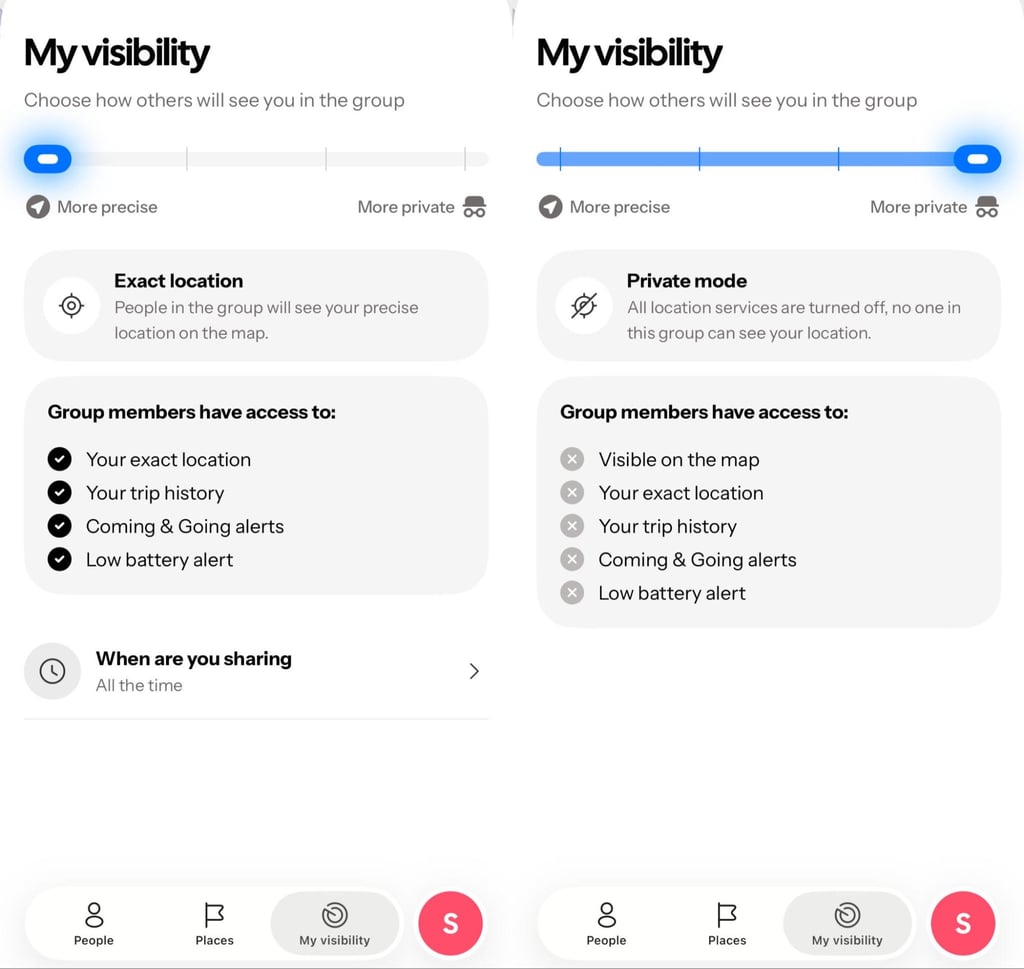
HeyPolo’s Exact location mode is a natural fit here. If your kids turn this on, you’ll be able to track their precise, real-time location throughout the day, along with extras like trip history and even low-battery alerts, so you always know if a phone’s about to die mid-park. Even better, once your trip to Walt Disney World Resort wraps up, your kids can readjust their location settings, keeping their privacy respected and fully consented to.
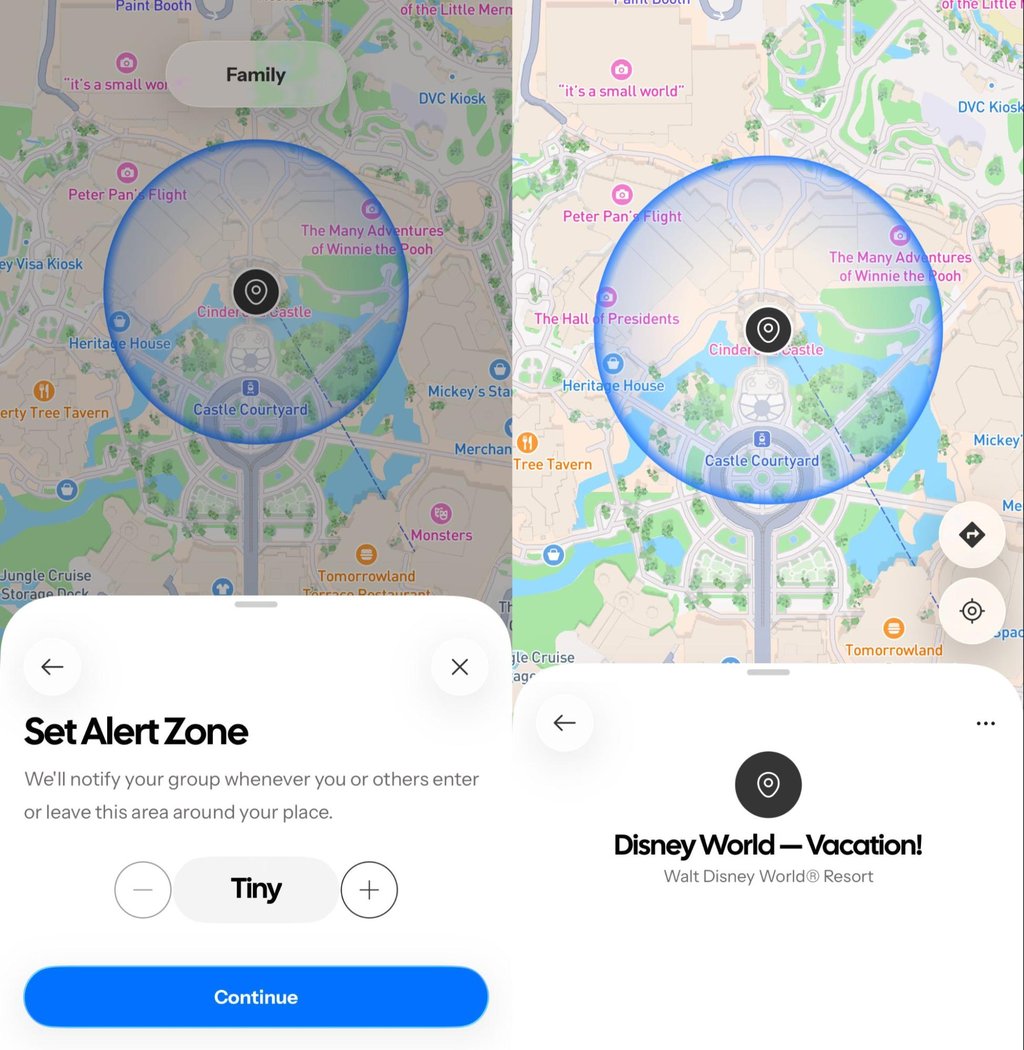
One of my favorite HeyPolo features is the arrival alert system. You can get an alert the moment your children arrive at or leave a designated area, so you’re not left checking their location manually every few minutes.
If you’d rather just glance at the map and see where everyone in your group currently is, the app supports that too, with adjustable precision so older kids can keep some privacy while parents still get peace of mind.
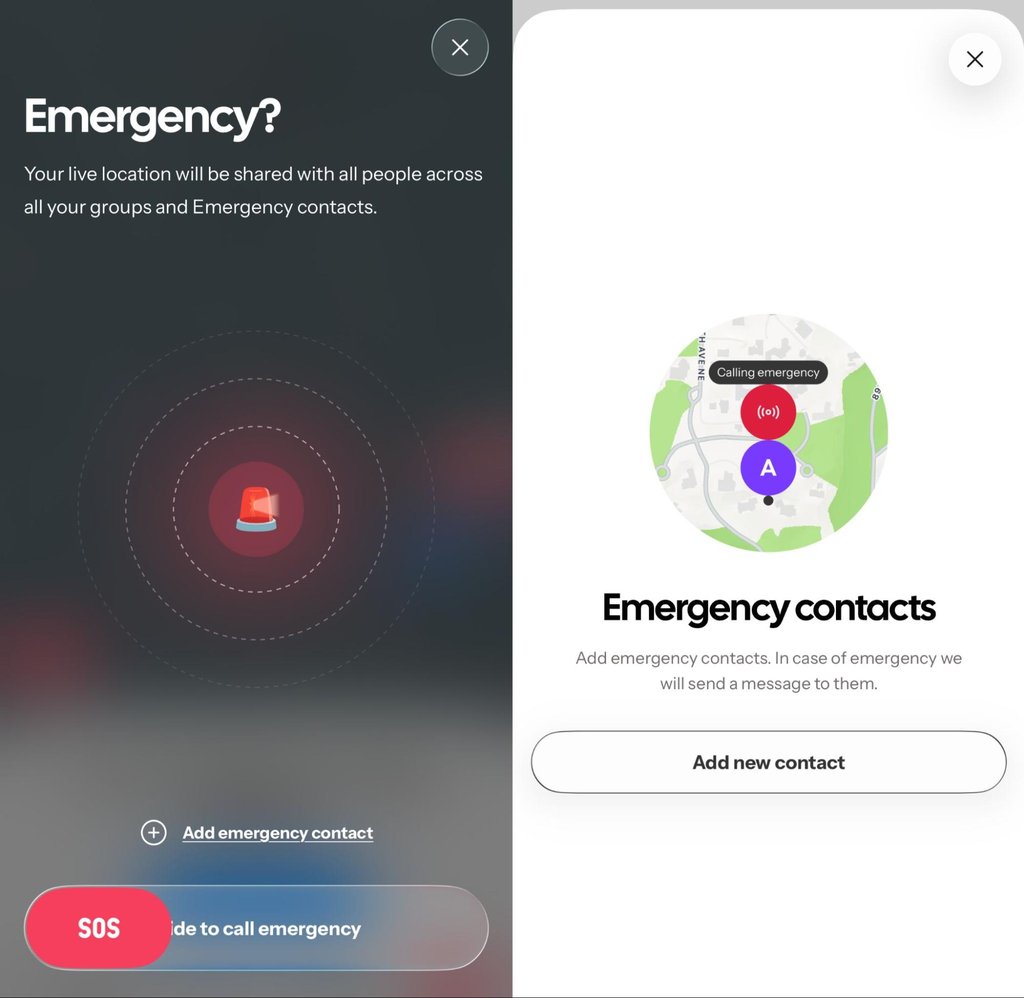
The one-tap SOS button is also worth knowing about before you need it: if something does feel off, whoever’s holding the phone can send their exact location to the rest of the family instantly, no fumbling with texts or trying to describe where you are over a loud PA announcement.
Keep in mind that HeyPolo is not a lost-child alarm system, and it should not be considered a replacement for teaching your kid what to do if you get separated. However, it’s an exceptional coordination tool for a family that’s spread out across a huge park and wants an easy, low-drama way to find each other again.
What to do immediately if your child goes missing at Disney World
Statistics show that an overwhelming majority of kids lost at Disney World are reunited within 30 minutes. The system works, and it’s been refined over decades of handling exactly this scenario.
However, if your child goes missing at Disney World, here’s the plan – and I’d genuinely suggest reading this section twice before your trip so it’s second nature if you ever need it.
- Check HeyPolo. If you’ve installed the app and your child has a phone with location sharing turned on, tracking them down will take seconds. A quick glance at the map shows their current location, which can point you in the right direction or give you something concrete to tell a cast member.
- Find a cast member immediately. Don’t spend ten minutes searching on your own first. The moment you realize your child isn’t with you, tell the nearest Disney World cast member. They’ll notify a supervisor and Disney security right away, and a description gets sent out park-wide so every Cast Member is looking, not just the one you spoke to.
- Stay where you are. This is the part people get wrong under panic: the instinct is to run and search. My personal recommendation – don’t. Most separated kids are found within a short distance of where they last saw their parents, and staying put makes them easier to find, both for the child and for the staff searching on the parent’s behalf.
- Give a clear, current description. This is exactly why that morning photo matters: hair color, exact outfit, any accessories, and your child’s age and name can offer the specifics needed for a faster search.
- Know where to check. Each park has a designated baby care center where young children found by Disney World cast members are brought, and a Guest Relations location (City Hall at Magic Kingdom) that handles the same for older kids. If you get separated and reunite on your own before finding a cast member, still stop by these locations to confirm the alert gets closed out.
- Stay calm. Kids pick up on parental panic fast, and a calm-sounding parent helps a scared kid stay calmer too, whether they’re the one lost or just watching you handle the situation.
Safety essentials to pack for a Disney World trip with kids
A packed diaper bag is one thing, but the real safety net for a Disney trip is less about what you’re carrying and more about whether you thought it through before you left the hotel. Most of what actually helps on a chaotic park day isn’t expensive or complicated, it’s just easy to forget when you’re rushing to make an early park opening.
Here’s what I’d genuinely consider as safety essentials when packing for a Disney World trip:
- ID bracelets or contact cards with a parent’s first name and phone number (no last name or address needed)
- Portable chargers, fully charged, since a dead phone is useless for both photos and location sharing
- Location sharing set up on every phone, like HeyPolo, so everyone in your group can see each other’s location without relying on texts or calls
- Water and snacks, since a hungry, dehydrated kid is a cranky, distracted kid – and distracted is when separations happen
- Sunscreen and weather-appropriate layers, since Florida weather changes fast and heat exhaustion makes everyone less careful
- Backup contact information written down somewhere that doesn’t depend on a phone, in case a device is lost or dies
- A stroller for younger kids can act as a physical tether when a park gets packed
- Any medical items your child needs, plus a note of allergies or conditions in case someone else ever needs to help
Final thoughts: a safer Disney World trip starts with a plan
A trip to Disney World can be a joyful, magical experience you’re picturing. The parks are built for families, staffed by people trained to help, and equipped with real systems for exactly the situations parents worry about most.
Families who have the smoothest trips aren’t the ones who worry the least. Actually, in my experience, they’re the ones who prepare the most, without letting that preparation turn into anxiety. In practice, that means teaching your kids what to do if they get separated, building simple in-park habits like meeting points and check-ins, and knowing the response plan so you’re never scrambling to remember it in the moment.
And if you want additional peace of mind, consider a location-sharing app like HeyPolo: a simple, privacy-first way to stay connected as a family without needing to send a dozen texts checking in every ten minutes. One glance at the app, and you know everyone’s location. With HeyPolo, you’ll spend a lot less energy worrying about losing each other, and a lot more energy actually enjoying the trip.
FAQ
Is Disney World safe for children?
Yes, Disney World is safe for children. The park is built around families as its core guest, with trained staff, dedicated child-safety infrastructure like baby care centers, and a strong track record of quickly reuniting separated families. That said, like any large and crowded destination, Disney World isn’t risk-free, and preparation closes most of that gap.
What should I do if my child gets lost at Disney World?
If your child gets lost at Disney World, alert the nearest cast member immediately rather than searching alone, stay in the area where you last saw your child, and give a clear, current description. Cast members will alert security and put out a park-wide description so everyone is looking, not just you.
How can I track my child’s location in a crowded theme park?
Phone-based location sharing is the most practical option for kids old enough to carry a device. Apps like HeyPolo let you see where family members are, get alerts when someone arrives at a meeting point, and send an SOS with your exact location if needed.
Are child location tracking apps useful for family vacations?
Yes, child location tracking apps are useful for family vacations – particularly in large, crowded destinations like Disney World where families naturally split up throughout the day. They work best as a backup to good habits: meeting points, check-ins, and teaching kids what to do if separated.
What should my child know before visiting Disney World?
Before visiting Disney World, your child should know a parent’s full name, what a cast member looks like and that they’re safe to approach, to stay put if they get separated rather than wandering to look for you, and never to leave with anyone except an approved adult or a cast member.
What are the best ways to prevent getting separated at Disney World?
To avoid getting separated at Disney World, dress kids in visible, easy-to-spot clothing, set a meeting point before your group splits up, do a quick head count after every ride and meal, and use the buddy system for older kids with some independence in the park.
Do I need a child location tracking app at Disney World?
Location tracking apps aren’t strictly necessary, but for families with tweens or teens who want some independence in a huge park, they provide the lowest-effort way to stay coordinated without overstressing everyone or being overbearing.