Chimps, ducks, and Musk memes: largest crypto heist launderers mock Tesla boss
Pyongyang is using memecoins to launder billions stolen from Binance.

Image by Didem Mente/Anadolu/Getty Images

 Follow us
- Researchers say North Korea-linked hackers stole up to $6.4 billion from Binance in 20 minutes.
- Elliptic says the hackers used newly created meme coins, including Musk-themed tokens, to move stolen funds.
- About $430,000 has passed through homemade NEAR tokens, but researchers warn the method can scale.
- Binance says it recovered about 98% of stolen assets and will cover losses from the breach.
Key Takeaways by nexos.ai, reviewed by Cybernews staff.
Hackers, likely working for North Korea, are using Elon Musk-themed meme coins to launder billions in stolen cryptocurrency after breaking into Binance, the world’s largest crypto exchange, researchers say.
The Binance heist is, of course, huge news. It took only 20 minutes for hackers to steal as much as $6.4 billion in crypto – even though it looks like they were preparing for the complex operation for months.
TRM Labs, a US blockchain analysis firm, soon said that several features of the October 29th attack matched earlier heists linked to North Korea, including a 2025 hack of crypto exchange Bybit, attributed by the FBI to Pyongyang.



Now, according to another crypto analytics firm, Elliptic, the North Korean hackers are already laundering stolen assets through a variety of newly minted memecoins – and their choices for the memecoin names are pretty interesting.
“Elon 2028 President”
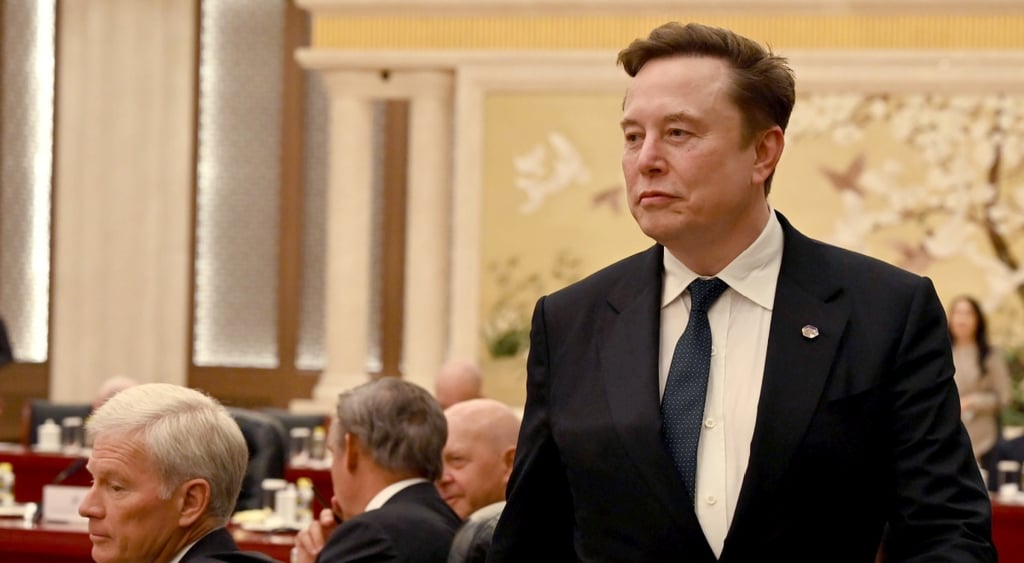
The crooks used the NEAR blockchain to mint six new memecoins that have familiar-sounding names like “FUK” and “SINU,” and feature logos with chimpanzees, foxes, and billionaire Elon Musk under an “Elon 2028 President” banner.
“North Korea’s launderers are creating their own worthless tokens and using them to move stolen cryptoassets through decentralized exchange liquidity pools, so that no funds pass directly from the wallets holding stolen assets to the wallets that receive them,” Elliptic said in a post.
According to the researchers, the amounts involved are small so far, with about $430,000 of stolen funds passing through homemade meme tokens on NEAR. However, the technique is cheap to run and could carry far larger sums.
Anyone can actually create a new crypto token. Most are meme coins, tokens built around a joke, an animal, or a celebrity. They’re traded on hype rather than any underlying use, and are fundamentally worthless.
But if you’re a hacker who has just stolen billions in crypto from Binance and needs to launder the money, these meme coins are what Elliptic calls perfect “containers” to do so.


Stay updated with our latest stories and follow us on social media
Be the first to discover new stories, ideas, and updates from our team.
“The launderers’ tokens are made to be used once and thrown away. Nobody outside the laundering operation buys them, and their price is whatever the launderers choose to set,” the researchers explain.
“That makes them useful as a container, allowing stolen funds to go in on one side of a liquidity pool and come out on the other.”
Each of the six tokens carries a logo in classic meme coin style: a monkey wearing a pink bow, a duck in front of a US flag, a chimpanzee, a fox, a flaming gold badge, and an image of Musk under an “Elon 2028 President” banner.
The names follow meme coin habits too, from a crude joke (FUK) to an echo of the “-INU” dog coins (SINU), said Elliptic.
A race to move funds
Besides trolling, there is a reason behind the disguise: one more short-lived token featuring a cartoon image or a Musk logo attracts little attention.
A wallet whose history shows trades in a new meme coin looks like a speculator rather than a launderer, unless someone checks where its money came from,Tom Robinson, Elliptic’s chief scientist and co-founder, points out.
However, according to Robinson, the hackers’ moves remain trackable on the blockchain because they do not hide the funds so much as slow down investigators tracing them.
“Each extra hop takes time to unpick, and laundering is a race to move funds before they are flagged. The tokens are also cheap, at about $90 each on NEAR, so the launderers can make many of them and discard each one after use,” said Robinson.
Binance said last week it has recovered around 98% of the assets stolen in the breach, but the remaining amount may take longer to source. The company promises to cover all losses linked to the attack.
However, beyond the potential loss of assets, the security breach is likely to have wider ramifications for crypto, which had already been under pressure due to higher US interest rates and softer demand from exchange-traded fund buyers.