Cybernews spotlight: FBI wants Flock access, Claude’s a snitch, and AI sets food prices
What do you hate more – the FBI watching over you, or a store consultant giving you the “you can’t afford this” look?
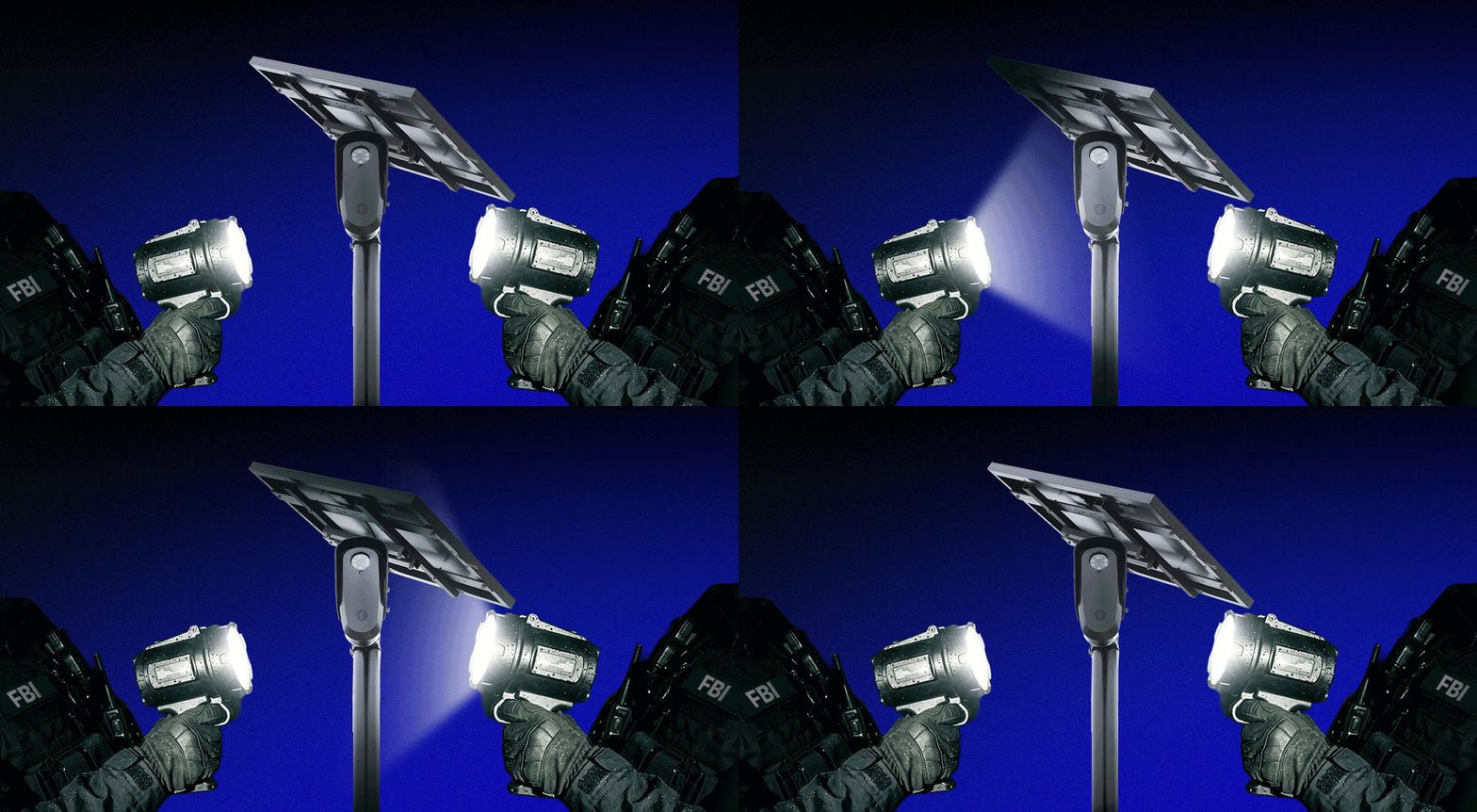
FBI wants access to Flock. By Cybernews

 Follow us
- The FBI wants access to Flock license plate readers, raising concerns about privacy and police misuse.
- Lawmakers cited a case where police scanned over 80,000 plates to track abortion-related travel.
- Norway is seeking a temporary ban on AI glasses in public places such as parks and museums.
- The article also flags risks from AI chats reported to police and algorithmic pricing at restaurants.
Key Takeaways by nexos.ai, reviewed by Cybernews staff.
In a surveillance camera screenshot, a woman is seen carrying a cat. Another picture shows 2 kids with clearly visible faces hanging around in the area.
On Facebook, these pictures are accompanied by another woman’s cry for help – she says they (mother and her kids) stole her cat! An empathetic audience immediately jumps on board to help, using either sleuth detective skills to track down the mother and the kids or simply spreading the "news". Before long, it’s everywhere.
It soon turns out that the kids are not related to the woman seen carrying the cat, and their father has to go public to have the pictures of his kids taken down. And the “thief”? Just a good-hearted citizen who saw what seemed like a cat in need, but who ended up in tears because of all the stress she received for trying to care for another living soul.
Nothing ever is as it seems. Precisely for this reason, we don’t need AI-infused surveillance cameras, peeping smart glasses, AI being judging how poor we are, and law enforcement having access to such material 24/7.






“We have continuously utilized this,” FBI director Kash Patel recently explained.
“When people kidnap children and cross state lines, then we go to these LPR leaders and say, ‘Hey, we have a picture of this car. We don't have any information on it. Can you help us out with where it went?’ And we have saved children over and over again from these child predators. We've retrieved these victims. We've also prosecuted these kidnappers and these child traffickers. And that's some of our best work, because a lot of that leads to, unfortunately, the creation of child sexual abuse material and crimes against children of a sexual nature.”
The FBI doesn’t have constant access to the Flock network, but it would like to. In May, it issued a Request for Proposals (RFP) to acquire automated license plate reader (ALPR) systems, including Flock and Motorola Solutions.
The Congressional Committee on Oversight and Government Reform says that information collected by these cameras has already been misused.
“For example, a Texas police department scanned more than 80,000 ALPRs to follow a woman suspected of self-administering an abortion across state lines,” committee members state in a letter to Patel, requiring the FBI to provide a detailed description of how it intends to use the ALPR data, among other things.
"I don’t like being watched" seems like a weak argument when the FBI director asserts that watching over us helps save children from sexual predators. However, stories of officers abusing Flock overshadow instances of victims being rescued. We’re stripped of our privacy with only conditional promises of safety.
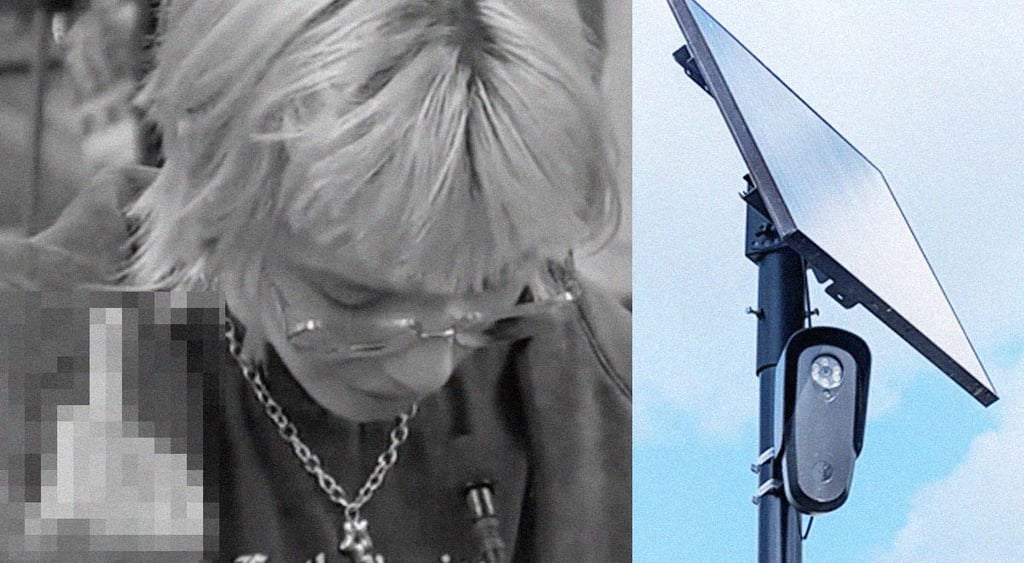
While there are arguments on both sides, citizens should ultimately have the final say in a democratic society.
We can also weigh in on people wearing smart glasses in public. Norway is already seeking a temporary ban on AI glasses in parks, beaches, museums, and gyms.
The Cybernews community is talking about this. Be a part of the conversation.
“We do not want a society where people are concerned about hidden audio recordings, photography, and filming in places and in situations where they are used to being without being monitored,” Minister of Digitalization and Public Governance Torgeir Micaelsen said.
How big a problem is this? Last year, Meta alone sold 7 million pairs of Ray-Ban AI glasses, manufactured by EssilorLuxottica. It’s no longer a niche market, and it’s growing rapidly. This year, people will buy nearly 14 million smart glasses, as performance improves and prices drop.
We analyzed 7 AI smart glasses apps to determine whether they pose a privacy risk to users. Can you guess which of the 7 brands – Meta, Rokid, RayNeo, INMO, Solos, Even Realities, or Halliday – requires the most dangerous permissions? Only one brand is American.
Speaking of privacy nightmares, here’s another one for you: A Florida woman used Claude as a diary, was “betrayed” by Anthropic’s AI, and is now facing felony charges. She told them she was about to “shoot up” the sheriff’s office, though. So maybe the police are justified in looking into this. And yet, the fact that anything you confide to AI might be used against you is daunting.
Another unsettling thought is of AI determining a price you should pay for a burger. McDonald’s is facing a lawsuit over algorithmic pricing. Their AI acts like a luxury store consultant whose quick glance lets you know you don't belong. Perhaps those shops should adjust prices based on appearances – if I look poor, why not sell me that MaxMara scarf at a fraction of the price? The rich-looking clientele should pay the difference, don’t you think?
