The cyber cabinet of curiosities: This week’s tech news leaves me with an uneasy feeling
Cyber drawers full of nasty surprises.

Cyber cabinet of curiosites. By Cybernews

 Follow us
- AI cameras on school buses turn safety tools into automated traffic enforcement systems.
- App Store age ratings may limit teenagers’ access to AI companion apps.
- Landlords can use AI-enabled cameras to monitor guests, parties, house rules, and cleaners.
- AI companies’ demand for data and computing power is putting pressure on cultural sites and personal devices.
Key Takeaways by nexos.ai, reviewed by Cybernews staff.
Nvidia boss’s affair could send some ripples through the market. But given the resources thrown at salvaging the crisis, I believe the world will be just fine. (Or maybe we would be better off if the AI bubble popped sooner rather than later; as AI’s godfather Hinton says, humanity would be better off without AI anyways.)
Today, I want to bring your attention to other stories that feel overlooked to me. Surely, that’s not something a tabloid newspaper would want to run, but reading these gives me an uncomfortable feeling.
Some of this news feels so bizarre that you’d think it belongs in a cyber cabinet of curiosities. And yet, many pieces hint at a bigger trend, a new world order we might not necessarily want to be a part of.


Stay updated with our latest stories and follow us on social media
Be the first to discover new stories, ideas, and updates from our team.


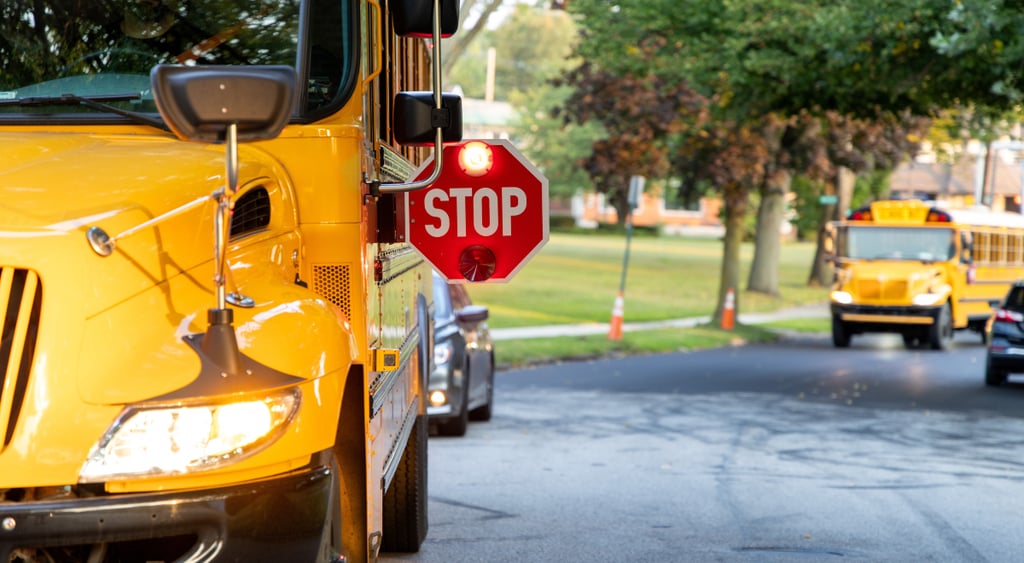
The news: School buses install AI cameras to keep kids safe by monitoring the surrounding traffic and violators
What it means: Buses have become AI police patrols and issue millions of fines to drivers. Probably rightfully so.
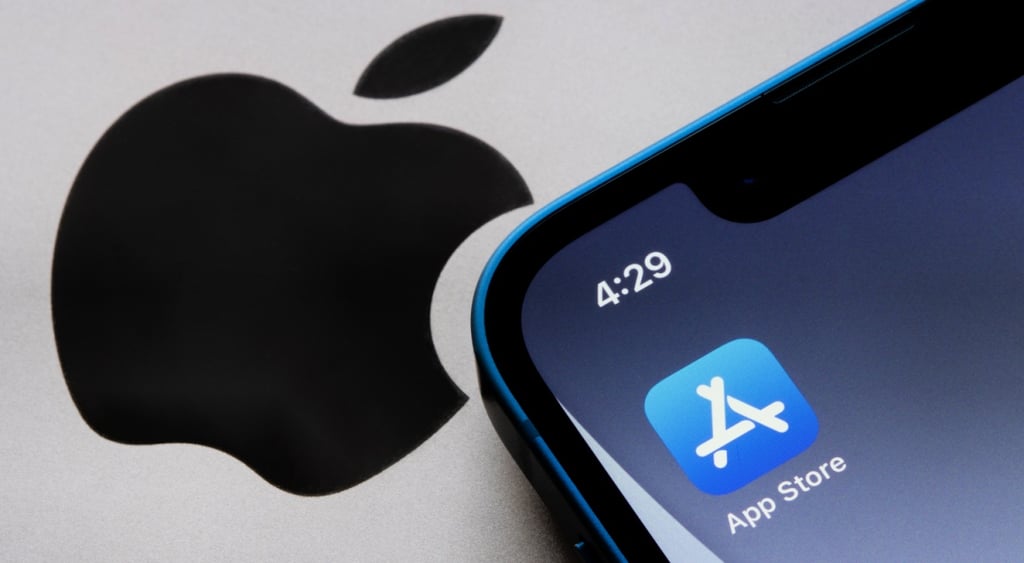
What it means: Teenagers might lose their imaginary romantic partners as they increasingly turn to AI platforms to create “meaningful” relationships.
What it means: Your landlord can count guests, detect parties, flag house-rule violations, and verify if the cleaner showed up.

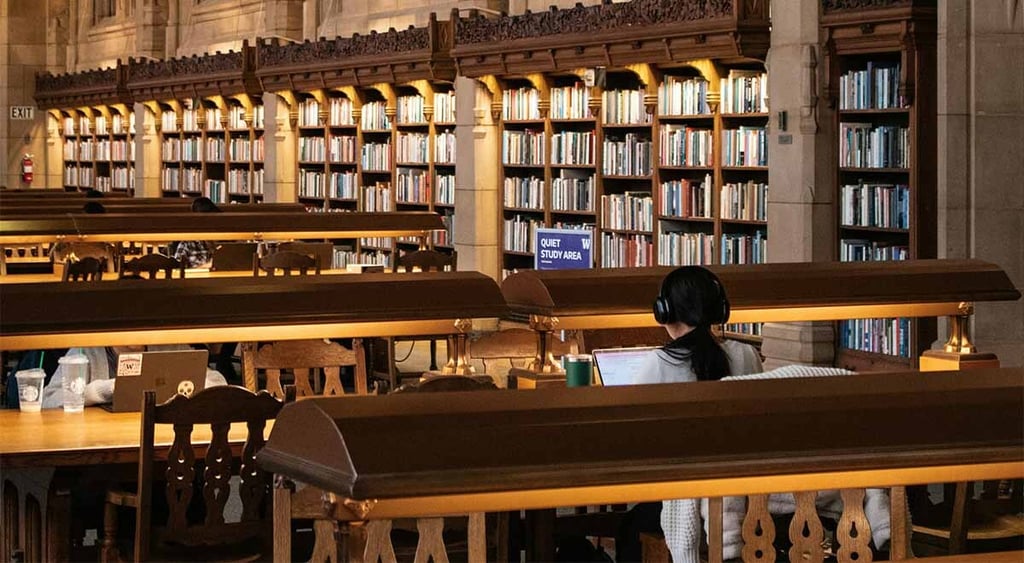
The news: LLMs are being trained on material grabbed by bots from libraries, museums, and other cultural heritage institutions.
What it means: Websites are overwhelmed by data-hungry bots. At the same time, big tech companies are also destroying rare books to train AI. Those models might indeed become smart, but at what cost?
The news: RAM is in short supply, and companies like Microsoft are looking for ways how to let users earn money by lending their unused GPUs.
What it means: Not many things we buy actually belong to us these days. I’d like to keep my RAM to myself, despite the “fact” that the unused portion of it could be used for the betterment of AI, and hence, our future. How about we look into how much unused wealth billionaires have, huh? Maybe there are some extra resources in there?

Sleep tight, see you next week!