Spies in your living room
It’s even worse than having nosy neighbours.

Eavesdropping. By GettyImages

 Follow us
- A TP-Link Tapo camera flaw can let attackers watch live streams from inside homes.
- Hacked IP cameras can give criminals a foothold to steal passwords, money, or identity.
- Microsoft's September Windows 11 update can break audio devices and microphones on some PCs.
- Dyson's AI toothbrush shows how app-connected gadgets can add new privacy risks at home.
Key Takeaways by nexos.ai, reviewed by Cybernews staff.
Don’t fool yourself – you might be the most boring person in the world, but you’re still worth hacking.
Yesterday, I met Nir Chinsky, one of Google’s executives, here in Vilnius, Lithuania, to talk about how the AI field has changed in the past two years. Given all the headlines about hacking incidents involving autonomous AI agents, I wondered whether security concerns could be the bottleneck when it comes to wider AI adoption. And while businesses are mostly focused on profits and effectiveness, data security is one of the bigger concerns, too.
“The agent is as good as the data it has access to, right?” Chinsky told me. I will publish our conversation in next week’s newsletter, but this got me thinking.
Since we as people aren’t for-profit firms, shouldn’t we make security and privacy our top concern? In many cases, it requires extra effort because you have to build protections to safeguard your private life.




Today, I bring you three stories that, I hope, will question what technology you buy and just how much you let it peep into your home.
Severe TP-Link Tapo camera flaw lets hackers watch live feed from your home
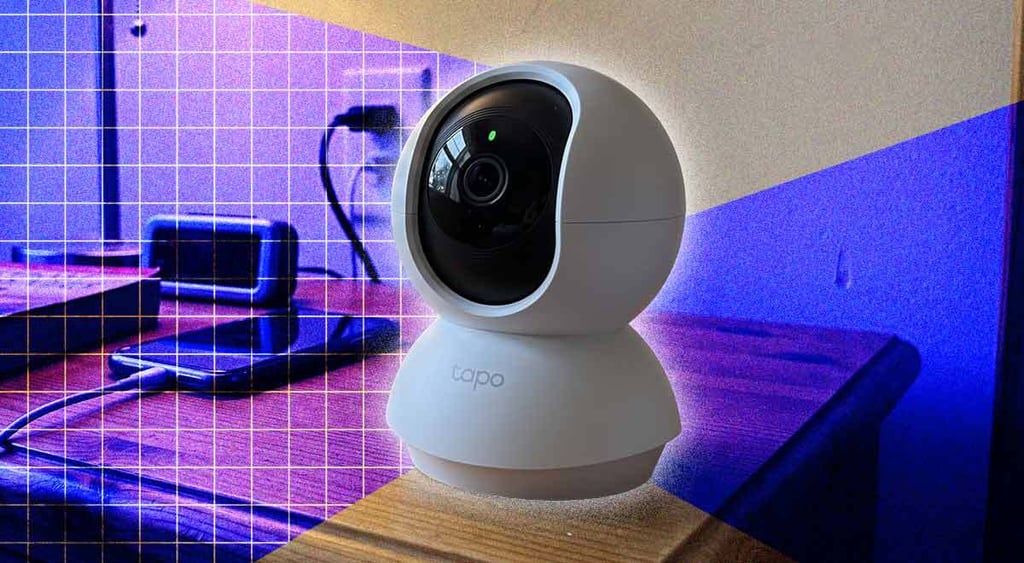
Cameras that you put up at home, whether to watch your baby or observe what your dog is up to while you’re away, are certainly convenient and fun. They could even help you earn an extra dollar if you are planning to share your pet’s mischief with your followers on social media.
But you might not be the only person peeping inside your house. For example, the flaw in TP-Link Tapo cameras lets attackers watch a live stream from the owner's house. Since the cameras are equipped with night vision to monitor babies, they could even watch your home at night.
Their marketing slogan is “Watch Over What Matters Most”. While the video footage might not be as exciting as one could hope, hackers are, in fact, not after the images. By hacking into IP cameras, they are establishing a foothold in your home network and looking to steal your passwords, and eventually your money, intellectual property, or even your identity.
Windows 11 update breaks audio and microphones on some PCs, Microsoft confirms
It took us a while to realize that an update doesn’t necessarily bring new features. We learned to update our software to keep hackers at bay. But fixing one problem often causes another one.
This time, Microsoft has, as always, issued a series of updates during Patch Tuesday. Updates were supposed to fix an array of issues, including Explorer.exe crashes, black screens, broken File History backups, Remote Desktop issues, and problems affecting some Linux-based virtual-machine applications.
What we also learned was that the September Windows 11 update can stop some audio devices from working after a restart. Microphones can also fail, disrupting calls, and Device Manager may show a Code 10 error.
The problem with the Dyson $500 AI CameraJet toothbrush
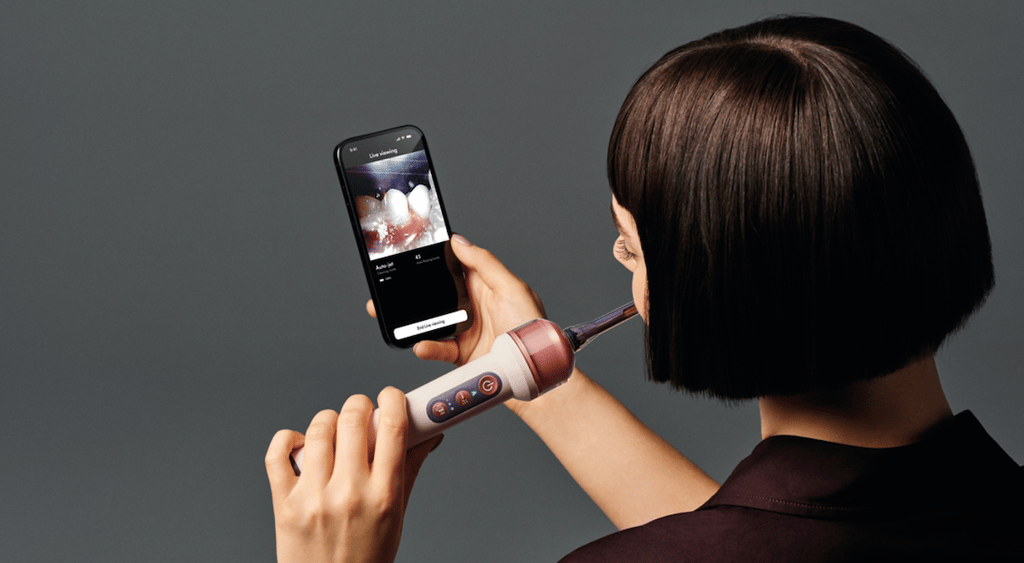
Dyson has just released a device that it had been working on for six years. A $499 CameraJet toothbrush uses a macro camera and AI to find tooth gaps in real time.
The toothbrush has a 100,000-pixel macro lens camera. It snaps images that Dyson’s Gap Optical Targeting AI algorithm analyzes in real time at "28 live images per second."
You’ll have to ask your dentist about whether that’s a good investment. There’s time, as the pricey toothbrush is already out of stock. Since users reported overheating, charging problems, oxidation, and water in the battery compartment, the company had to recall some toothbrushes.
To my understanding, the toothbrush can be used without an app. But it, of course, has one.
And that’s the problem with any modern device - to use them to their full potential, you need an app. That app asks for various permissions and is hackable. So as fun and useful as it might be, every smart device you add to your network is just another hole in your privacy shield.
