Landlords put AI behind Ring cameras to monitor guests: count visitors, detect parties, and other house rule violations
AI apps replace basic Ring doorbell pings with advanced guest or tenant analytics, sparking a fresh round of privacy concerns.

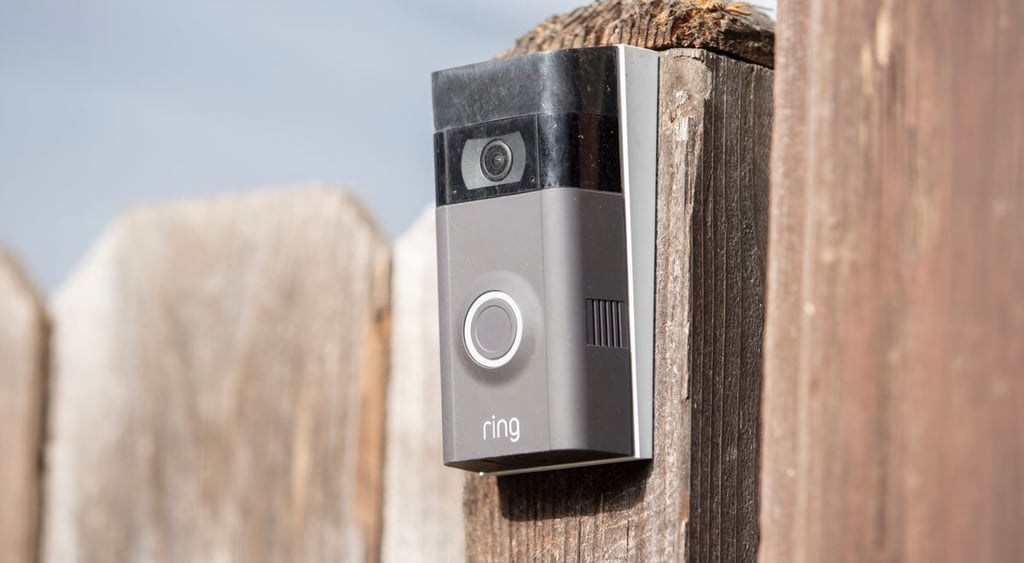
Amazon-owned Ring home security camera hangs near the front entrance. Joe Raedle/Getty.

 Follow us
- Landlords use Ring AI apps to count guests, detect parties, and check whether cleaners arrived.
- Some tools work with outdoor Ring cameras and charge monthly fees per camera or app.
- Hosts also use noise monitors, WiFi crowd detection, and guest screening to prevent rule violations.
- Privacy advocates worry guests may not know AI tools analyze footage or share data with third parties.
Key Takeaways by nexos.ai, reviewed by Cybernews staff.
Landlords are embracing a new wave of AI-powered apps for Ring doorbells and cameras that promise to tell them only “what matters.” Property owners let third-party AI tools count guests, detect parties, flag house-rule violations, and verify if the cleaner showed up.
One of the new Airbnb hosts asked for advice on Reddit – any recommendations for a reliable occupancy monitor that is Airbnb-compliant?
“Get a Ring doorbell! I can count every guest that comes in,” one of the landlords boasted.
Property owners are discovering Ring’s third-party apps that extend the capabilities of standard cameras using AI. For an additional monthly fee, the new tools will distinguish between a cleaner arriving on time, an unauthorized party, or a random passerby.





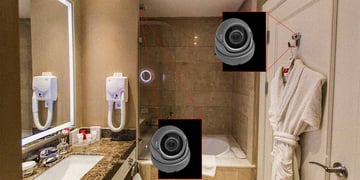
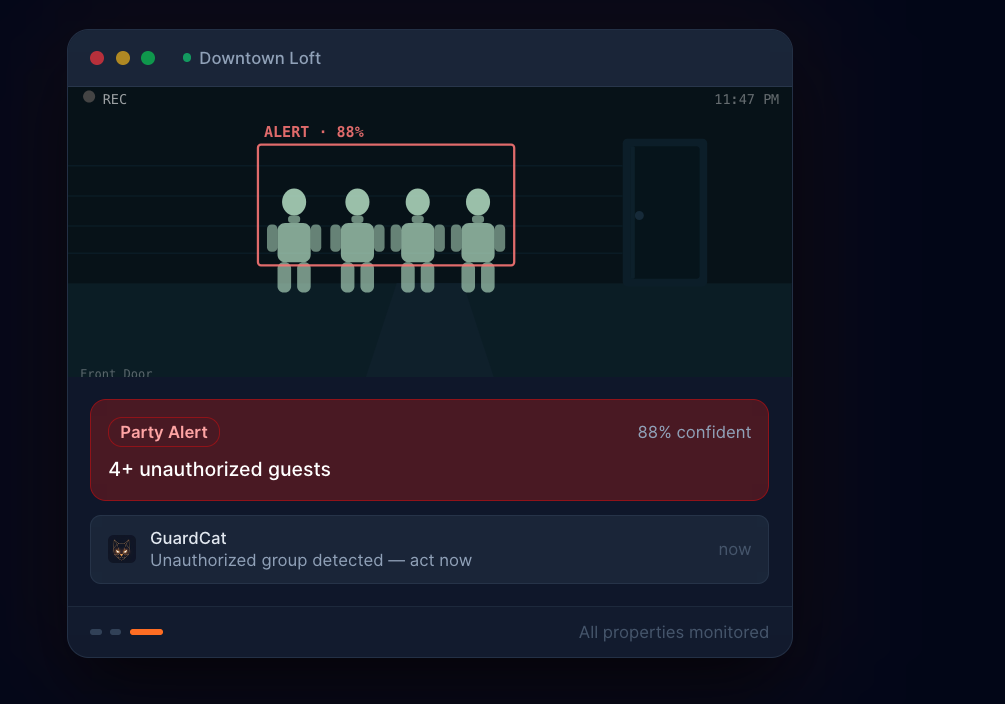
“Your Ring cameras see everything,” GuardCat, one of the AI-powered apps, says on its website, and it promises to tell you only “what matters.”
The app claims to understand context – instead of endless Ring pings, it will only provide alerts worth reading, such as if the cleaner arrives on time, a guest checks in early, or too many people show up when only two were booked. The subscription costs $7.99 per camera per month.
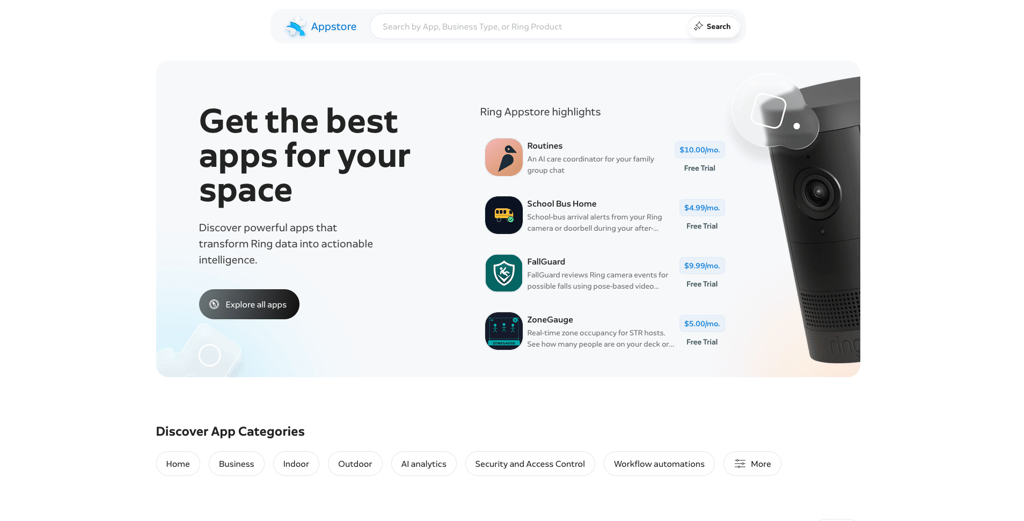
Another AI-powered analytics app, ZoneGauge, is featured on the Ring Appstore and lets landlords know how many people showed up without storing any images or video recordings or using any facial recognition – anonymously.
The app costs $5 per month. An honest note acknowledges that the estimates might not be precise, but “usually close.”
No new hardware needed – both monitoring tools work on any Ring outdoor camera.
And there are already many more AI tools that promise to aid landlords. LawnWatch will detect pet waste, clutter, or discarded toys to help “keep your yard pristine” and avoid HOA complaints for $2,99/month. There's an app for tracking the garden, monitoring wildlife, or detecting illegal trash dumping, CNET reported.
Landlords rely on several tools at a time
Property owners are constantly exploring solutions to monitor their guests and protect their assets. Laws and other regulatory restrictions prevent them from installing cameras or recording audio inside, but a growing range of alternative tools is available.
Ring and AI apps take the practice somewhat further by making monitoring more automated and accessible, but they’re not the only solutions landlords use.
Guest monitoring begins even before arrival, with property owners screening prospective guests to assess potential risks and prevent problematic bookings.
“Hardware side, a noise monitor that only reads decibels and doesn’t record, and a camera on the front door so you see how many people show up, both disclosed in the listing,” one of the Vrbo subreddit members teaches others how to prevent parties.


Stay updated with our latest stories and follow us on social media
Be the first to discover new stories, ideas, and updates from our team.
Some owners also report using the Minut devices to detect crowds by WiFi signals, get alerts if noise gets too loud, detect cigarette smoke, monitor climate, and more.
Others mention using decibel monitors like NoiseAware, which do not record audio, but only alert if noise remains high for a set period.
“Just disclose it in the listing, that’s what keeps it compliant,” one of the landlords explained.
Even without AI-powered tools, Airbnb hosts are using Ring cameras to detect unauthorized pets, investigate missing items such as pots and deliveries, or monitor potential theft.
“I have an exterior camera looking at the driveway. When my indoor Minut noise monitor goes off, I pull up that driveway camera on my phone. If I can't hear any noise on the driveway, then I presume my neighbors can’t hear anything either, and I consider it a false alarm,” one of the hosts described their strategy.
Raises privacy concerns
Ring has already faced years of privacy criticism over its handling of surveillance footage and other user data. The device itself comes with third-party trackers. Ring's manufacturer, Amazon, was fined $30 million by the FTC for spying and child privacy violations.
According to public reports, Amazon admitted sharing footage with law enforcement without a warrant or consent. A backlash over surveillance forced Ring to cancel its partnership with Flock.
New third-party AI tools for Ring add a new dimension to the privacy concerns. Some Reddit users describe them as “horrifying” or “dystopian”.
Third-party apps on the Ring Appstore come with their own privacy policies – the technology isn’t Ring’s own features. People who may be recorded and analyzed might not know about it or provide meaningful consent. AI can also make mistakes.

Check if your data was exposed
Find out if your email and related personal information have appeared in known data breaches.
“I’ve started covering or averting my face any time I have to approach a doorstep with a Ring cam,” one of the users reacted.
The Ring Appstore lists what data each app needs to access, and it often includes full name, email address, video recordings, live view, event alerts for motion, doorbell, and device status. Some apps retain footage for a certain period of time. I.e., Eclipse Predictor app specifies it retains videos for 396 days.
App developers may share collected data with other service providers or law enforcement. Tenants and guests have little power to object.