Doorbell surveillance backlash intensifies after Ring scraps Flock deal, FBI retrieves ‘inactive’ Nest footage
FBI retrieval of footage from an “inactive” Nest doorbell and Ring’s decision to scrap a Flock partnership are intensifying America’s doorbell surveillance debate.

Amazon Ring. Chip Somodevilla/Getty Images

 Follow us
Footage recovered from an “inactive” Nest doorbell in the Guthrie kidnapping investigation may have cracked open the case – but it is also intensifying concerns about America’s expanding doorbell surveillance network.
- “Inactive” Nest footage helped identify a suspect in the Guthrie kidnapping – but the recovery is raising new questions about what “deleted” really means.
- Ring scrapped a Flock Safety partnership after Super Bowl backlash, spotlighting growing unease over neighborhood camera networks
- The debate is no longer about one case – it’s about how convenience tech became a surveillance infrastructure.
Key Takeaways by nexos.ai, reviewed by Cybernews staff.
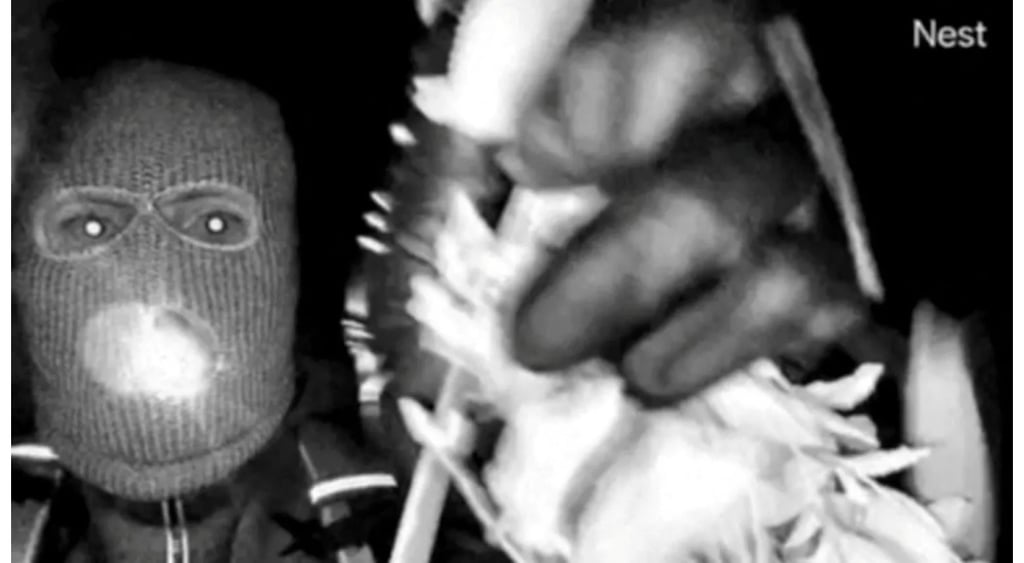
The FBI says it extracted the video from a disconnected Google Nest device during the bizarre kidnapping-ransom plot involving Today show host Savannah Guthrie’s 84-year-old mother – even though the camera lacked an active subscription.
At the same time, Ring scrapped a planned partnership with surveillance tech firm Flock Safety following backlash over an ad which aired during Super Bowl LX last Sunday.



The revelations are sparking new fears about the 24/7 surveillance network we’ve voluntarily bolted to our own front doors.
But really, didn’t we set ourselves up for this?
Ring’s Super Bowl backlash spreads
It’s been a banner week for smart doorbells.
For those unfamiliar, the Ring Super Bowl ad promotes its new AI-powered “Search Party” feature to help find lost dogs, which, although seemingly innocent, scans neighborhood camera footage by tapping into a network of Ring outdoor devices.
What’s more, the service is free and open to everyone and anyone – meaning you don’t even need to own a Ring device to use it, also making it slightly more disturbing.
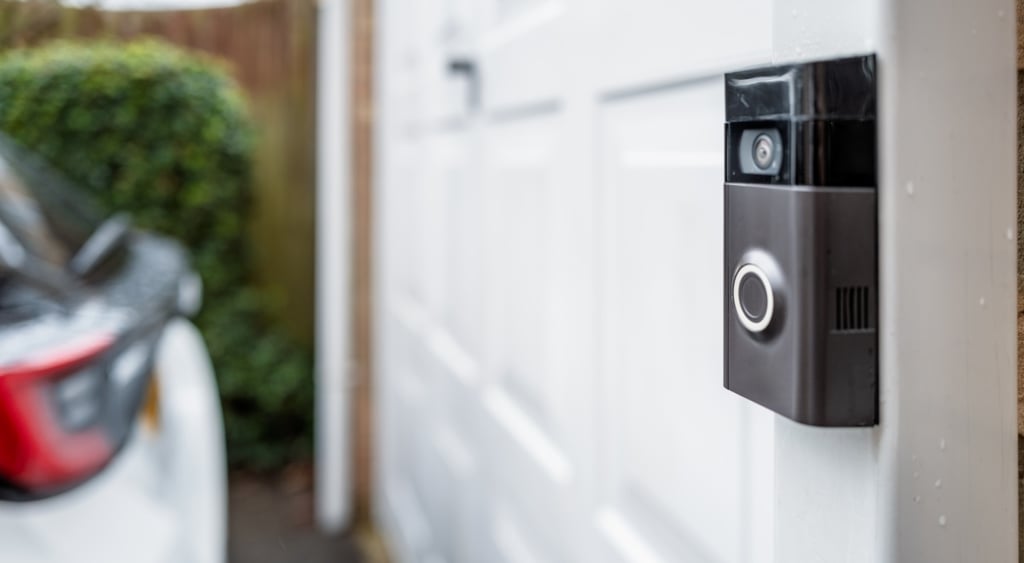
Let’s just say the outcry has been palpable. Social media quickly lit up with accusations that Amazon has essentially created a “mass surveillance” network, one front porch at a time.
“I don’t think there is a better possible ad to get rid of your Ring camera,” one YouTuber wrote.
In a letter sent to Amazon CEO Andy Jassy following the Super Bowl fallout, Massachusetts Senator Edward Markey further warned that Ring’s planned facial recognition integration into its doorbell cameras poses “dramatic privacy and civil liberties risks,” arguing that biometric data from anyone captured on camera could be retained without consent.
In fact, the backlash to its Super Bowl commercial has been so severe that Amazon’s Ring announced on Friday it was scrapping a planned partnership with Flock Safety – a surveillance tech company that operates a nationwide network of Automatic License Plate Readers (ALPRs) and video systems.
Flock cameras can be found in over 5,000 communities across the US, regularly share images and data with law enforcement, and yes, the company also happens to be contracted with ICE.
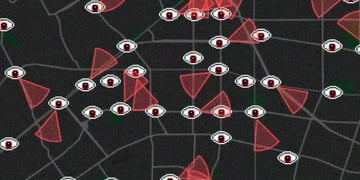
Those seeking greater transparency can explore open-source tools such as deflock.me and alpr.watch, which offer crowdsourced maps identifying the exact locations of tens of thousands of ALPR cameras nationwide.
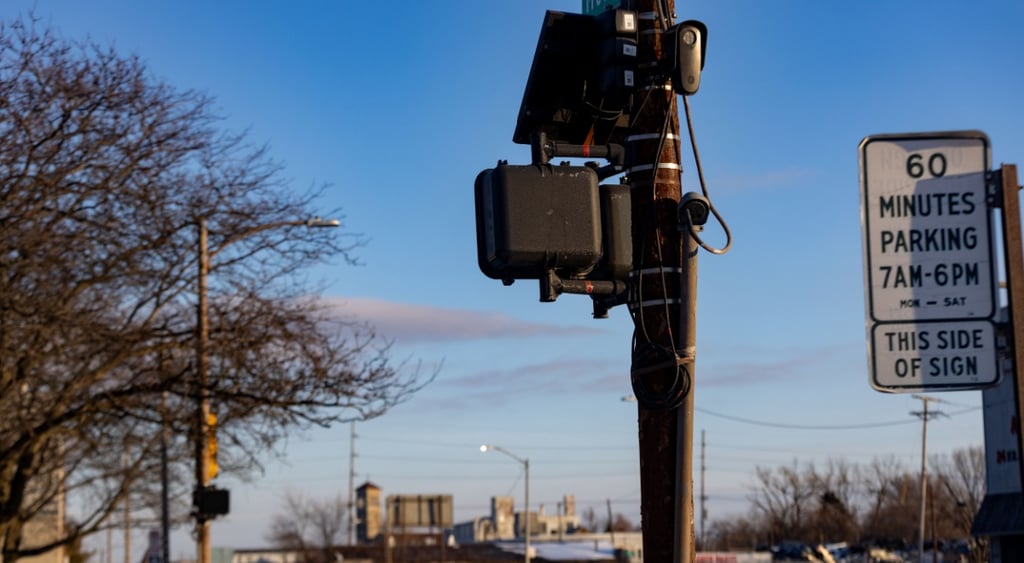
And while many of these surveillance tools – including Flock’s – are proven to deter crime, accelerate evidence gathering, locate missing persons or kidnapping victims (ding ding ding), enhance neighborhood watch programs, and protect public and private property – the integration of AI within the technology is pushing privacy concerns directly into the spotlight.
From lost dogs to Guthrie’s kidnapped mom, 24/7 surveillance mounted beside our front doors has quietly become the new norm – but at what cost to personal privacy?
How the FBI recovered “inactive” Nest footage
Fast forward a few days, and now the FBI says it has extracted video from an “inactive” Nest doorbell as part of the investigation into the bizarre Guthrie kidnapping-ransom plot.
Savannah Guthrie’s 84-year-old mother was reported kidnapped from her Arizona home on February 1st after a suspect allegedly demanded Bitcoin in exchange for her safe return, prompting a multi-agency investigation.

The Google Nest footage, released on Thursday, has been key in finally identifying a suspect in the case – and providing more proof that our homes’ own "smart eyeballs" have quietly morphed into routine tools of modern policing.
The fact that law enforcement was able to access footage from a device that even its human users believed was “turned off” is, by far, the most unsettling part of it all.
According to FBI director Kash Patel, authorities recovered the video by extracting “residual data located in backend systems,” even though the Nest camera had been disconnected and lacked an active subscription.
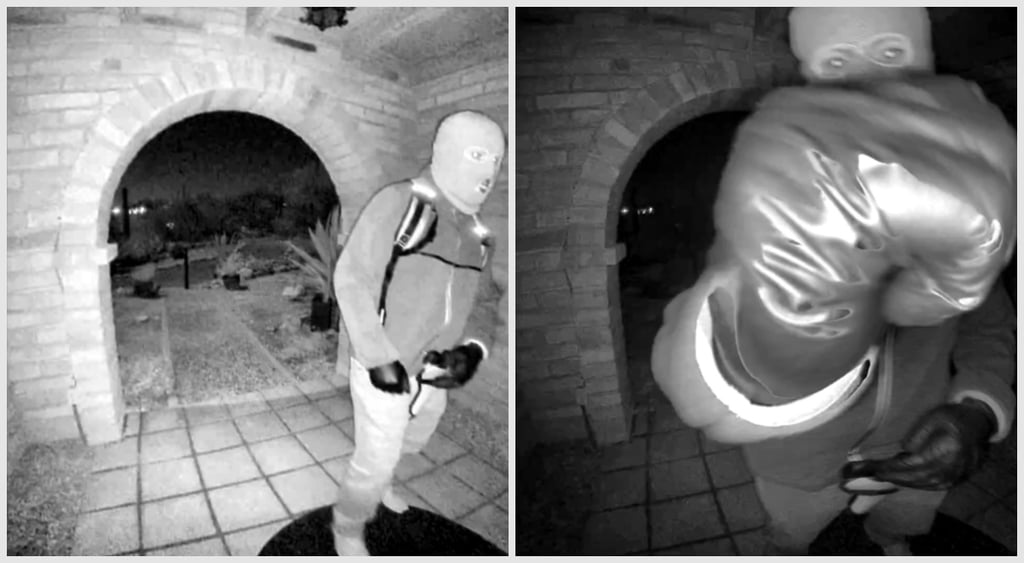
Retired FBI agent Jason Pack told CBS News that locating the footage was “like finding a needle in a haystack.”
“With a free Google Nest plan, the video should have been deleted within 3 to 6 hours – long after Guthrie was reported missing,” the news outlet reported.
So how did the FBI find the video nearly a week after the disappearance?
Cybersecurity expert Alex Stamos described the layered process to CBS: A video marked for deletion may actually “stay in the system for days” depending on its backend configuration.
Furthermore, “the actual data wouldn't be overwritten until the internal storage was needed" – and in some cases “may never get deleted” at all.
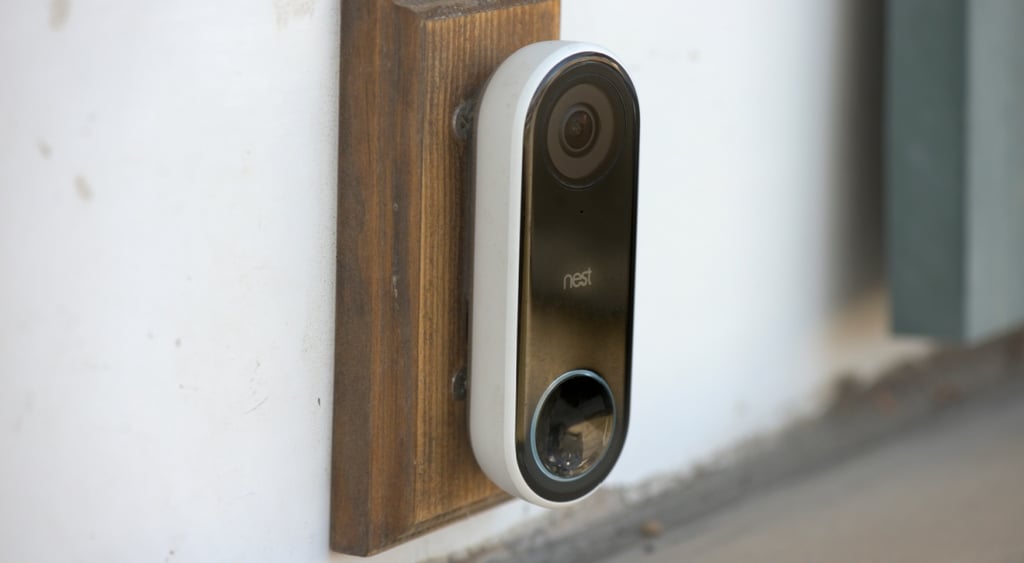
The experts noted that when a smart doorbell goes offline, a “tamper mode” is designed to activate in the event of a malicious disconnect or physical damage. In such instances, the company – in this case, Google – can retain video recordings for an extended period as a security fallback measure.
It has been confirmed that the Nest camera was disconnected in the early hours on Feb. 1, 2026, following a suspected, deliberate tampering to cut power.
Meanwhile, on Friday, the kidnappers allegedly revised the ransom demand to $100,000 in bitcoin, according to a report by TMZ.
How doorbell cameras became a nationwide surveillance network
We didn’t stumble into this. We opted in.
Whether it was staying ahead of porch pirates and unruly next-door neighbors, installing doorbell cameras didn’t feel like unnecessary surveillance at the time. It felt like convenience and an added layer of safety.
During the height of the COVID-19 pandemic, talking to the DoorDash guy through our Ring speakers became a tool for protecting our lives, not to mention the social misfits who hate interacting with, well, anyone. “Just leave it at the door,” Americans said repeatedly.
It also provided hours of entertainment. We’ve shared the raccoon clips, we’ve laughed at the Amazon delivery mishaps, and we've snickered at the neighborhood nosybody pounding our front doors.
The smart doorbell quietly became the must-have home accessory for suburban America – one camera became two, one porch became a network, and one neighborhood connected to the next.
Adding to the broader trend, Apple is reportedly closer to releasing its own doorbell camera (in the works since 2024) with Face ID integration capable of linking directly to a smart lock – a sign that biometric entry systems may soon move from phones to front doors.






There was no sweeping mandate. No dramatic rollout. Just smart gadgets, flash sales, and a steady normalization of always-on visibility.
And now, the discomfort we face isn’t about any one event – it’s about a culmination of them: ICE surveillance, facial recognition, 24/7 location tracking on our phones, AI-powered license plate readers – and the realization that even our own homes are watching us, as well as our neighbors.
A Big Brother moment we once swore as a society would never happen. And yet, here it is – a surveillance infrastructure built piece by piece – by us.
Unlock more exclusive Cybernews content on YouTube.