Nerd uses a 3D printer to blind Flock cameras without damaging them
A lawful way to block Flock cameras?
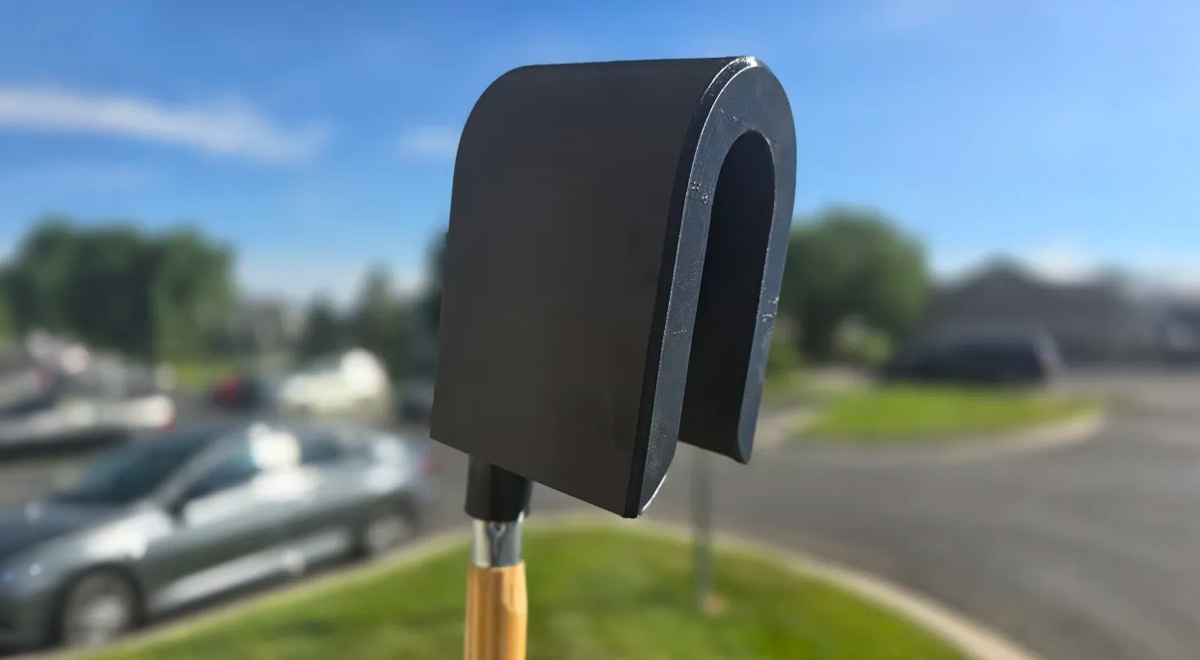
Image by Maker World/Cybernews.

 Follow us
- A 3D printing hobbyist created the “Flock Sock,” a removable cover designed to block Flock license plate cameras.
- Flock cameras are used by about 6,000 US law enforcement agencies and 1,000 private companies, raising privacy concerns.
- Critics cite police misuse, including tracking ex-partners, protesters, and women seeking abortions, as evidence of weak safeguards.
- An LAPD audit found a 32.3% false-positive rate for stolen-vehicle alerts, adding concerns about reliability and wrongful stops.
Key Takeaways by nexos.ai, reviewed by Cybernews staff.
Since the general public isn’t too happy about having their license plates scanned and logged by the infamous Flock cameras, new ways of blinding them keep popping up. This time, it’s the “Flock Sock.”
A 3D printing enthusiast called SquidInk has created an easy-to-use model that would immediately blind the Flock camera without damaging it, and posted it on Maker World, a free 3D model repository and community platform.
Some Flock haters choose to vandalize the cameras, but the “Flock Sock” doesn’t encourage anyone to commit a crime.
The product’s description rather playfully says: “The Flock Sock is a slip-on cover designed to help protect a Flock camera from the harmful radiation of the sun. Your city spent its very own hard-earned tax dollars scattering these cameras everywhere to keep you safe – all it cost you was a little privacy.”






Check if your data was exposed
Find out if your email and related personal information have appeared in known data breaches.
“The very least you can do is help protect these valuable civil servants from getting a bad sunburn,” the presentation adds.
Flock’s 120,000 cameras are now used by roughly 6,000 US law enforcement agencies and around 1,000 private companies. The firm is also planning to begin using drone cameras as well.
To the general public, it’s all a bit overwhelming. Yes, license plate readers are a massive headache for criminals, but the problem is that cops are regularly abusing the technology.
Numerous police officials have been found to have tracked ex-partners or have stalked people using the Flock system.
The cameras have also been used for purposes outside crime prevention – to track protestors (who have the right to do so) or women seeking abortions.
Plus, the software isn’t exactly reliable, even in looking for criminals. The Los Angeles Police Department’s audit recently revealed a 32.3% false-positive rate for stolen-vehicle alerts – in other words, the Flockkers can’t even properly scan the license plates.
The people are fighting back. Some simply smash the cameras up, others wrap their cars in adversarial camouflage, and suggest using holographic plates.
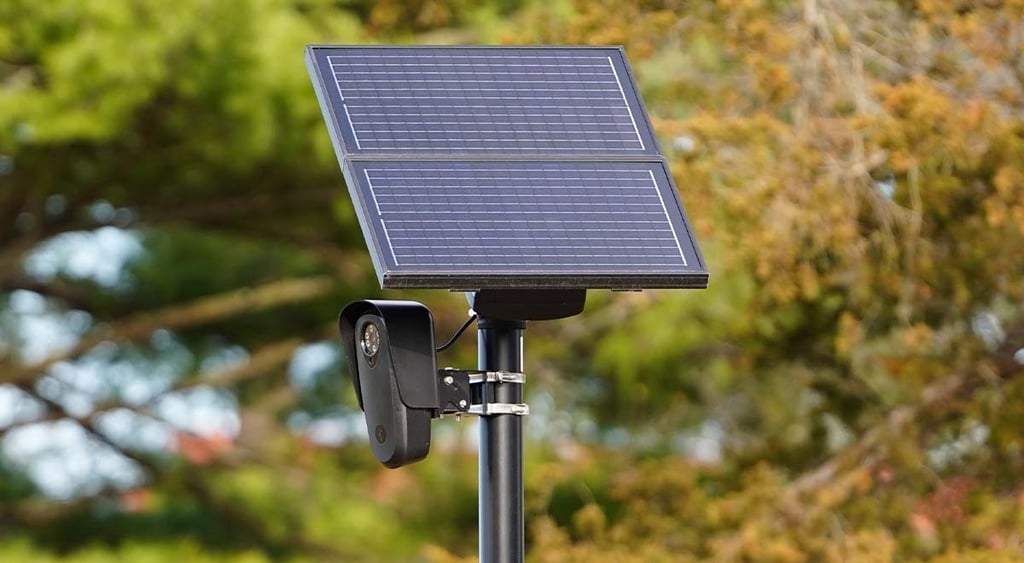
Besides, an increasing number of websites like DeFlock or Have I Been Flocked? now allow you to check if there are Flock cameras in your area, and whether you have been “flocked.”
Damaging the Flock cameras is, of course, risky. The police might stick you with vandalism, criminal mischief, property damage charges, and more.
But the creator of the “Flock Sock” has thought about it, too, explaining: “Because it pops off instantly with absolutely no damage caused and costs exactly $0 to revert, it conveniently avoids some of the troublesome labels that Uncle Sam might stick to you. It’s just a removable accessory.”
