Hide from Flock all you want: this new scanner will still identify you
You have an electronic fingerprint. SignalTrace wants to collect it.
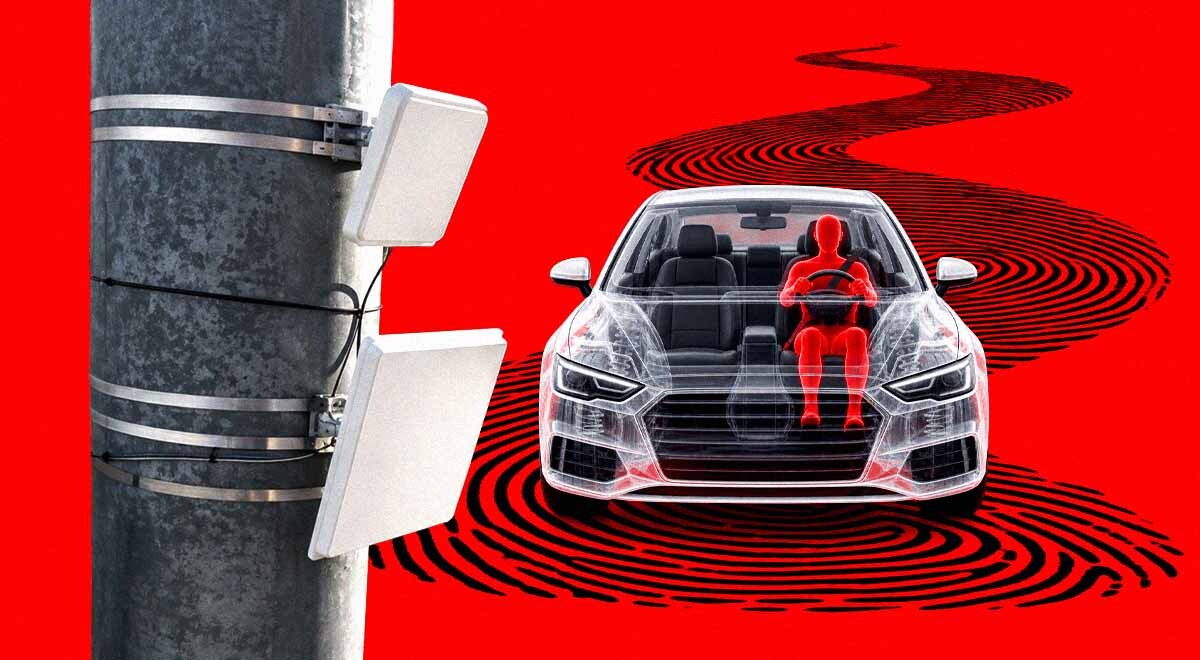
Image by Leonardo/Cybernews.

 Follow us
- Leonardo is pitching SignalTrace scanners to police, linking license plates with electronic signals from phones and other devices.
- The system can identify recurring device combinations in vehicles, even when a license plate is hidden or unreadable.
- Leonardo says SignalTrace does not read device content, but privacy advocates warn the scanners can still help the police identify and track people.
- Researchers and the ACLU say the technology could threaten privacy rights and protections against warrantless searches.
Key Takeaways by nexos.ai, reviewed by Cybernews staff.
If you think Flock’s AI-powered cameras are a privacy and mass surveillance nightmare, something even worse is brewing. SignalTrace scanners don’t care whether you’ve somehow covered your license plate.
With protests over the use – and abuse – of Flock smart license plate readers growing in the United States, people keep sharing ideas on how to evade the controversial cameras and protect their personal privacy.
They’re experimenting with license plate covers, physical barriers, and AI-generated camouflage. Nano film covering, anti-radar stickers, holographic plates – all this and more is being floated on Reddit and elsewhere online.
However, it’s entirely possible that resistance is actually futile. Leonardo, a security company, is already pitching its SignalTrace scanners, which can link license plates to devices and recognize people’s electronic fingerprints, to law enforcement agencies across the country.




Electronic fingerprinting
Sure, Flock cameras also build a vehicle profile from stickers, decals, and other identifying features, such as, of course, the car’s make, model, color, and even major dents. But linking license plates with drivers’ phones and other gadgets raises the sophistication a notch.
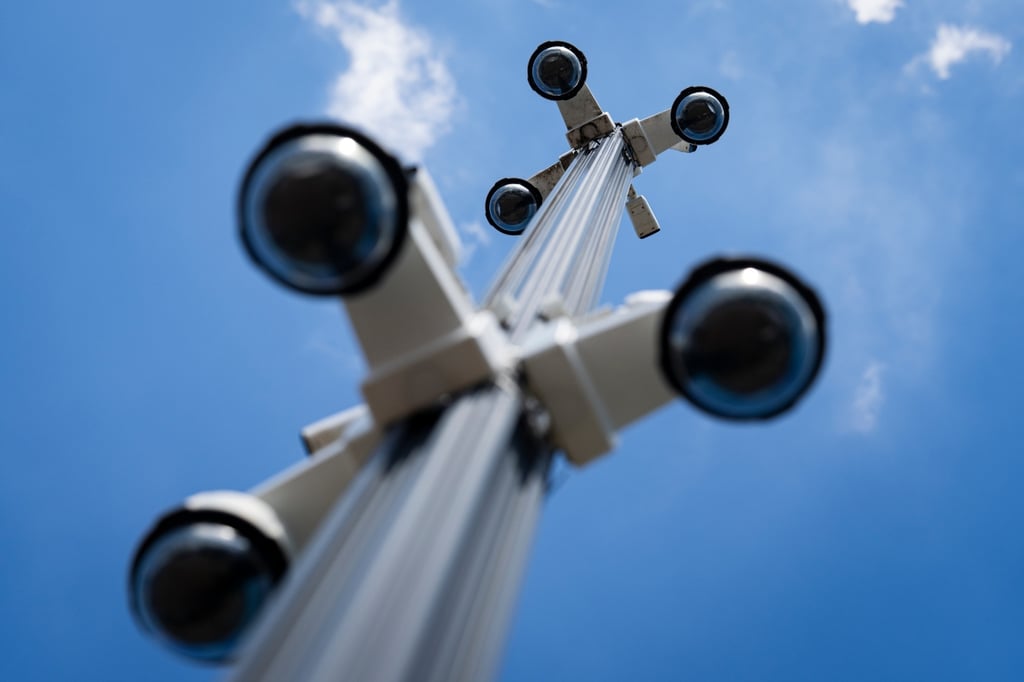
SignalTrace scanners identify the types of devices that are in a car and link them to an individual – even if the license plate number isn’t visible.
For instance, a car of interest to the police might have an Android phone, a Pioneer stereo, and a pair of Sony headphones inside. The SignalTrace network can detect that specific combination and send an alert to law enforcement.
While 70 cars in 100 may contain iPhones, only one will have an iPhone 13rev2, an Audi radio, a pair of Bose headphones, a Garmin sports watch, a key finder, and the license plate ABC-1234,Leonardo explains on its website.
How does it all work, more specifically? Electronic devices such as fitness trackers, smartwatches, RFID (radio frequency identification) tags, and mobile phones emit signals into the air.
Indeed, virtually every electronic device you use broadcasts some form of Bluetooth or WiFi information. That’s how your phone stays connected to cell towers and how your, say, fitness tracker syncs stats back to the web.
SignalTrace creates an electronic fingerprint for groups of signals that the system determines are frequently emitted together.
“These electronic fingerprints provide insights law enforcement can use in real-time policing and investigations,” Leonardo says.

Check if your data was exposed
Find out if your email and related personal information have appeared in known data breaches.
The firm promises that the system respects individuals’ privacy rights and doesn’t decrypt or read content from devices.
Still, the SignalTrace sensors are “strategically placed to collect electronic communications patterns and identities of consumer electronics to create an additional data set to enhance the records captured by LPR (License Plate Recognition) cameras in the area.”
Constitutional rights in danger
So far, SignalTrace isn’t an established police practice and is in no way comparable to the scale of Flock’s operations. But several devices seem to have been installed in Maryland.
Researchers and privacy activists aren’t happy. Yes, Leonardo says the electronic signatures don’t disclose a person’s identity by themselves – but Nicole M. Bennett, a researcher who studies surveillance technologies at Indiana University, disagrees.
“SignalTrace may begin with a nameless pattern, but its value comes from recognizing that pattern again and connecting it to information that police already possess,” said Bennett.




Stay updated with our latest stories and follow us on social media
Be the first to discover new stories, ideas, and updates from our team.
“Once an officer links a recurring signature to a license plate record or case file, the absence of a name in the original signal offers little protection.”
The American Civil Liberties Union (ACLU) of Northern California called SignalTrace scanners worse than Flock cameras, as the sensors collect and store data about you without a warrant.
“This sort of surveillance dragnet would allow SignalTrace to effortlessly target and track individual drivers, riders, and even pedestrians,” wrote the non-profit.
“These products threaten constitutional rights guaranteed by the California Constitution and the US Constitution, including the right to privacy and the right to be free from unreasonable searches and seizures.”