Do these creepy patent drawings reveal what’s next for Meta’s smart glasses?
“Pervert glasses” that remember faces. Cute.
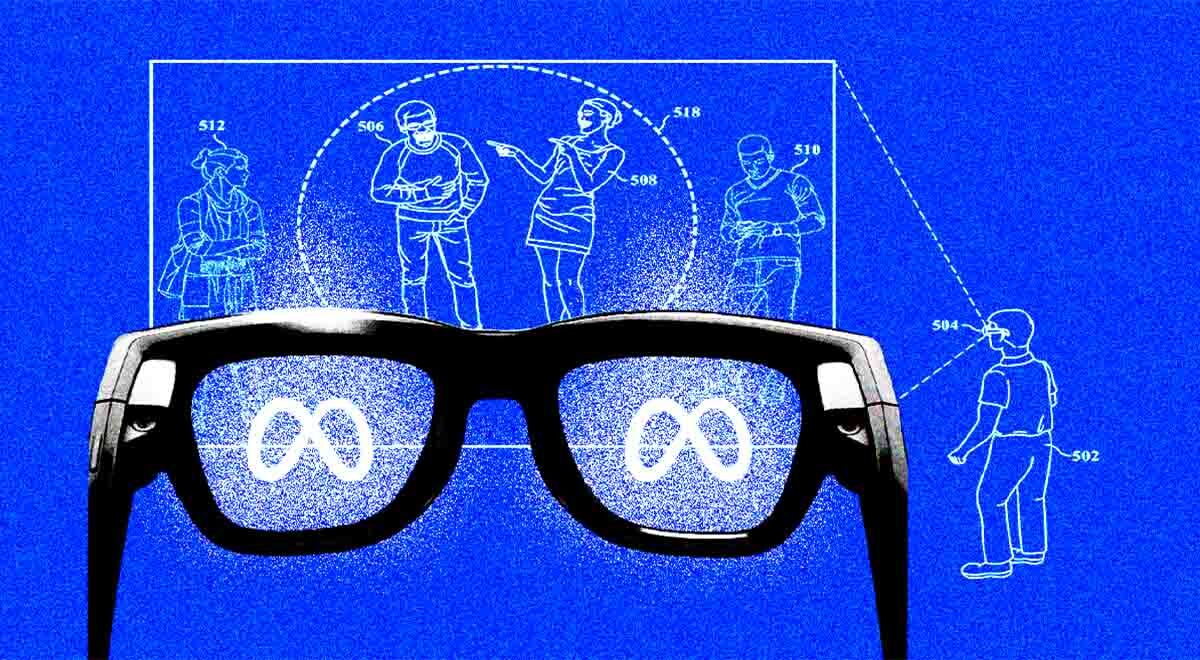
Image by Cybernews

 Follow us
- A new Meta patent shows smart glasses using facial recognition to scan a dinner party and pick out who's worth filming.
- The AI reads expressions and actions, then auto-creates personalized highlight reels and searchable memories of people met.
- It's just a patent, not a confirmed feature – but the illustrations are likely to unnerve privacy advocates.
- Meta is already facing backlash over the glasses: facial-recognition tool NameTag was scrapped in June, and courts in UK and New York have banned the specs.
Key Takeaways by nexos.ai, reviewed by Cybernews staff.
Eerie drawings in a newly published Meta patent application show smart glasses scanning guests at a dinner party, recognizing their faces – and deciding who is interesting enough to film.
The application, filed by Meta Platforms Technologies – the maker of Meta's Ray-Ban smart glasses and VR hardware – describes an AI camera system that identifies people via facial recognition, interprets their actions, and turns what it sees into personalized media and searchable memories.
The latest application was filed on February 4th, 2026, and published on August 13th. It is a continuation of earlier filings, meaning some of the underlying technology has been in Meta’s patent pipeline for years.
And the patent’s illustrations show just how invasive technology could become if applied to Meta’s glasses business, which, to date, has sold around 7 million pairs.




Figure 5A depicts someone wearing AR glasses at a dinner party. The system analyzes the people in the room, uses facial recognition to identify one guest as the wearer’s wife and selects her as a “point of interest.”
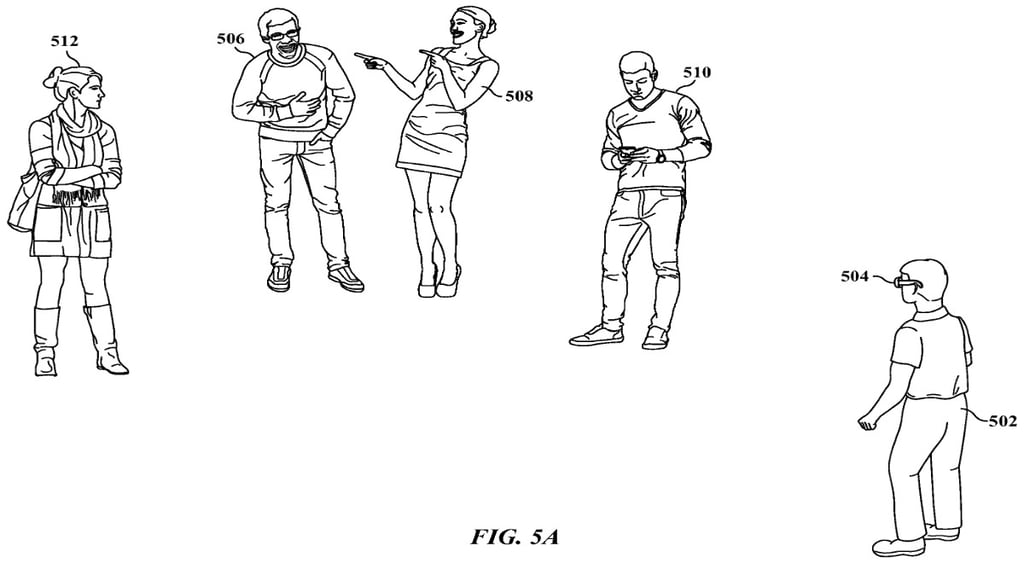
Continuing the fun, Figure 5B shows the camera automatically zooming towards the wife, centering her in the frame while the other guests disappear or be blurred. While this feature offers a privacy mechanism the system first has to analyse the people around the wearer to decide who to blur.
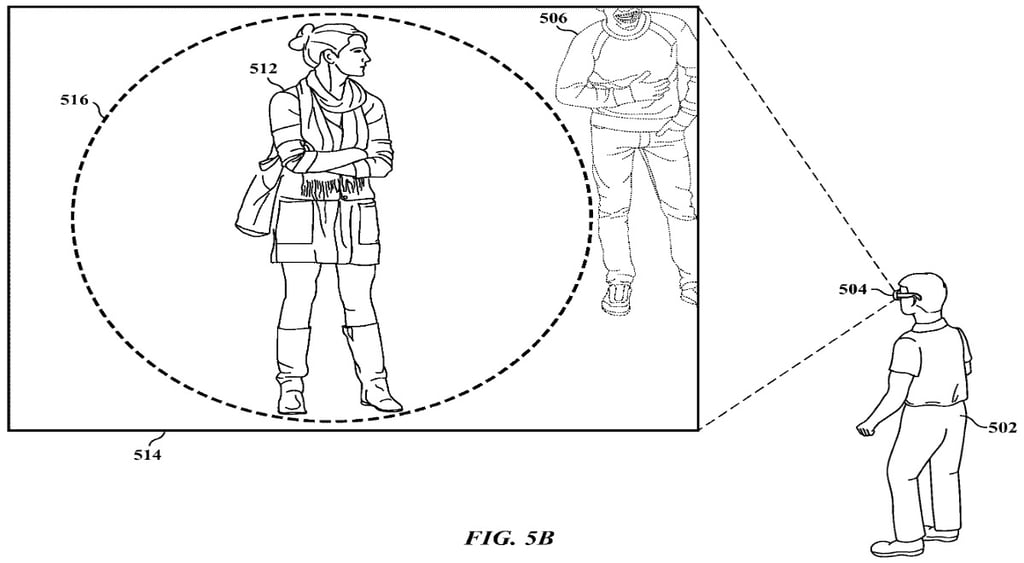
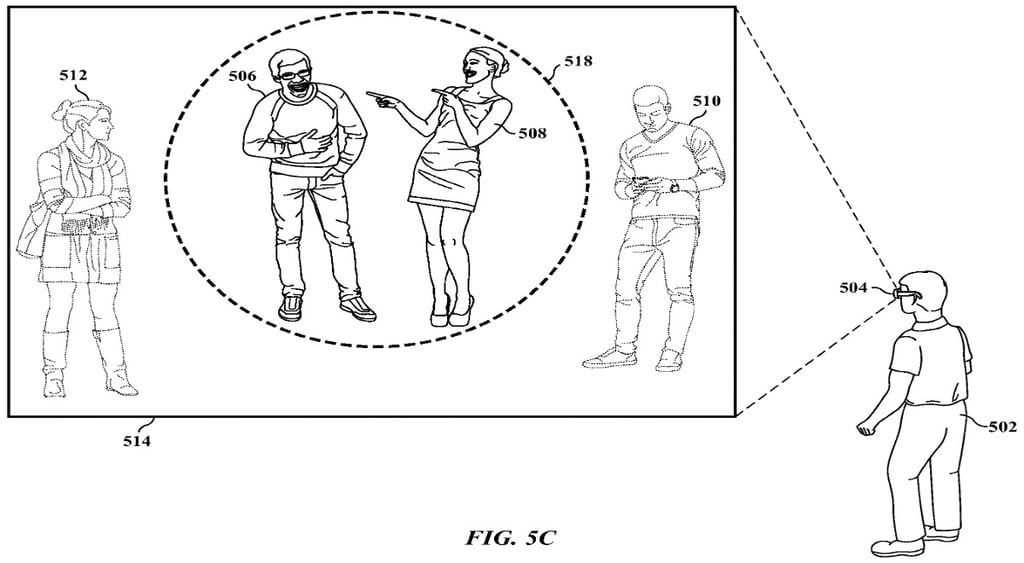
Figure 5C goes further: the AI analyzes facial expressions, spots two people laughing and selects them as interesting subjects.
Figures 5D, 6 and 7 show an AI assistant deciding which moments are worth keeping and creating personalized highlight reels, using information including detected people, expressions, actions objects, location and even relationships from a user’s social network.
The patent highlights how this can potentially become searchable human memory. In one example, a user asks whether they have met “the guy in the red t-shirt” before the assistant retrieves an older photograph containing him.
A patent is just a patent – none of this guarantees facial recognition is coming to Ray-Ban glasses. But the illustrations alone are enough to unnerve privacy advocates.
What happens when glasses stop simply recording the people around them and start recognizing who they are, interpreting their actions, and remembering them forever?
Facial recognition in smart glasses raises obvious privacy concerns, since people could be identified just by someone glancing at them, with no knowledge or consent involved — and this isn't Meta's first attempt at combining the two.
In June Wired uncovered an unreleased system called NameTag embedded in Meta’s AI companion app. It was designed to turn faces captured by Meta glasses into biometric signatures and compare them with faceprints stored on a wearer’s phone.
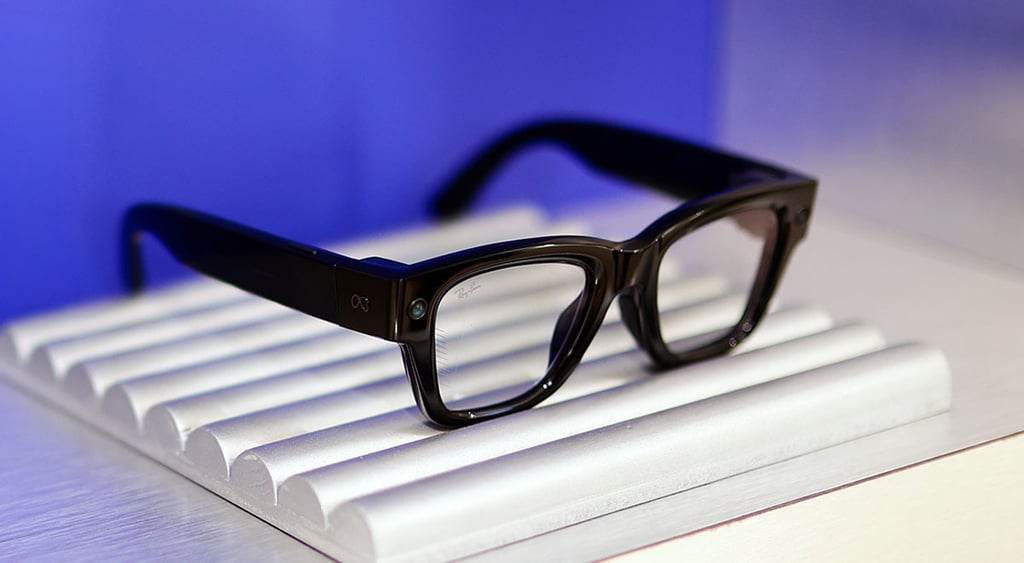
While the system was dormant and unavailable to regular users, after a media backlash the technology was quietly removed.



Stay updated with our latest stories and follow us on social media
Be the first to discover new stories, ideas, and updates from our team.
There is also a growing backlash over the glasses themselves. Courts across England and Wales have just banned Meta smart glasses from their buildings over concerns about secret recording, following a similar move by New York courts.
Pubs, bar and clubs are also banishing the specs from their establishments.